Whether your organization manages a corporate art collection spanning dozens of offices or a university teaching gallery, hiring the right art curator starts with knowing exactly what the role demands. This guide breaks down the curator’s job into duties, skills, and hiring considerations so you can build a job description that attracts qualified professionals and sets them up for success.
Table of Contents
What Is Art Financing and How Do Art Loans Work?
Risks and Challenges in Art Lending
Building a Strong Foundation: Collection Data and Documentation
How Onward Supports Art Financing Workflows
Best Practices for Responsible Art Lending
Getting Started With Art Finance Using Onward
Art Financing FAQ
Art Curator Role Overview
An art curator in 2026 operates across museums, galleries, corporate collections, and digital platforms. The role goes beyond selecting works for exhibits – curators shape art history narratives, protect cultural assets through conservation and ethical stewardship, and design experiences that resonate with visitors, employees, and the general public.
A museum curator at an institution like MoMA or Tate Modern typically specializes by period or medium, conducts deep scholarship, and is actively involved in exhibition development and overseeing blockbuster exhibitions. A curator in a corporate or private context focuses more on managing collections across sites, aligning artworks with brand identity, and tracking objects for insurance and compliance. Both share core responsibilities – research, interpretation, and public engagement – but the operational context differs significantly.
A precise art curator job description matters because collections are living assets, and the curator is responsible for documentation and movement-related oversight. They grow, move, get loaned, and require documentation. Onward works with curators and collection managers daily, so this article focuses on the practical responsibilities, required skills, and hiring strategies that make the role effective.
Core Responsibilities in an Art Curator Job Description
This section forms the heart of any job posting. Present these as clear bullet points grouped by function.
Collection Management
- Oversee the cataloging and environmental safety of artworks, including location tracking, condition reports, and provenance documentation
- Ensure proper preservation and documentation of every object in the collection
- Coordinate with conservators on conservation priorities and preventive care
Exhibition Planning
- Plan and organize art exhibitions at museums and galleries, from concept through deinstallation
- Select and arrange artworks to create engaging narratives that align with themes
- Collaborate with exhibit designers for cohesive experiences, designing layouts and selecting works that serve the story
- Manage budgets and organize shipping for exhibitions, tracking every dependency
- Write wall texts and catalog essays for both specialist and non-specialist audiences
Acquisitions and Deaccessions
- Conceptualize exhibitions and acquire artworks that build collections reflecting cultural impact
- Research potential purchases for authenticity, valuation, and ethical provenance
- Present recommendations to acquisitions committees with thorough documentation
Research and Interpretation
- Conduct research to enrich museum collections and enhance public understanding of art
- Contribute to publications, lectures, guided tours, and digital content
Public Engagement and Education
- Develop educational programs to engage the public, including talks, workshops, and community programs
- Author exhibition catalogs and organize public outreach as part of public relations and public programming efforts
Collaboration and Project Management
- Collaborate with artists and conservators, registrars, lenders, and vendors to ensure exhibition success
- Coordinate with various professionals across departments – facilities, legal, finance – especially in corporate contexts
- Use tools such as Onward’s art log for inventory, loan tracking, and reporting
Where Art Curators and Museum Curators Work: Museums, Galleries & Corporate Collections
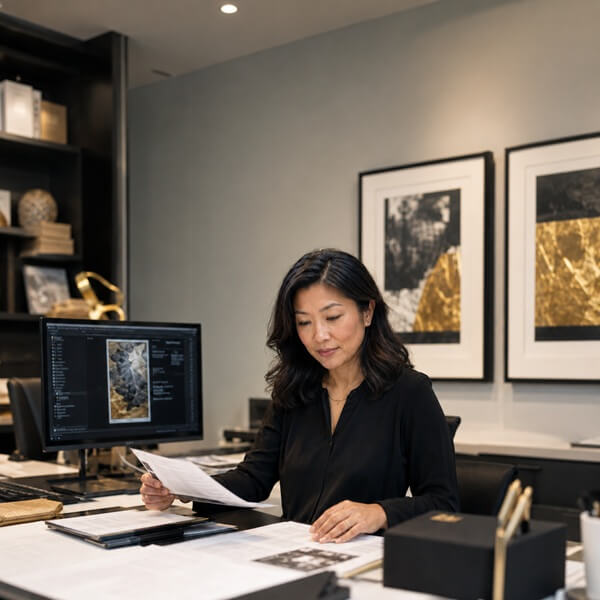
Museum curators work across a broader landscape than traditional fine art museums. Curators work in public cultural institutions, university teaching collections tied to museum studies and cultural studies programs, commercial galleries focused on artist development and sales, and other institutions like hospitals and law firm networks. Many curators now also manage digital and virtual spaces – online exhibitions, remote archives, and interactive installations. Some also pursue independent projects across institutions or digital spaces rather than working within a single organization.
Corporate collections present unique challenges: art dispersed across multiple locations, hybrid work driving 30–50% more relocations, and documentation gaps accumulated over decades. Onward supports curators in these distributed organizations by centralizing art inventory management and location tracking across every site.
Essential Skills, Art History Knowledge & Qualifications for an Art Curator
Education: A bachelor’s degree in art history or a related field is essential for curators. Many curators hold graduate degrees in art history or museum studies – most competitive curatorial roles require a master’s degree or PhD. Programs in curatorial practice and cultural studies prepare candidates for the specialist expertise this career demands.
Subject Knowledge: Extensive knowledge of specific periods, movements, or media. Familiarity with the basics of art restoration and conservation is expected.
Research and Writing: Curators need strong writing skills for documentation and publications – catalog essays, grant proposals, labels, and internal reports.
Project Management: Project management skills are crucial for planning exhibitions. Time management, budgeting, vendor coordination, and cross-functional teamwork are non-negotiable.
Digital Literacy: Experience with collection management systems, image archives, secure cloud storage, and analytics tools for reporting on loans, insurance, and valuation.
Communication: Curators must have excellent communication skills to engage the public. Strong communication skills are essential for curatorial collaboration with artists, lenders, donors, and executives.
Ethics: Cultural sensitivity and awareness of restitution, repatriation, and representation in exhibitions and acquisitions.
Sample Art Curator Job Description
| Section | What to Include |
|---|---|
| Role Summary | 3–4 sentences tying together collection stewardship, exhibition planning, research, and public engagement for your context, including who the curator works with during exhibitions, such as artists and conservators |
| Key Duties | Bullet list covering managing collections, curating exhibitions, research, partnerships, digital collections, and analytics |
| Requirements | Bachelor’s degree required; master’s degree preferred; 2–5 years of professional experience in a museum or art gallery; evidence of project management capabilities |
| Preferred Experience | Prior museum experience with collection databases, art loan tracking, virtual exhibitions, and reporting tools like Onward |
| Competencies | Attention to detail, strategic thinking, communication, collaboration, comfort with technology |
Tailor the template for your context. Many curators begin in curatorial roles as an assistant curator before advancing – your job opportunities should reflect whether you need an emerging or senior professional, and a sample job description can include an example matched to that seniority or organizational setting. Note that continuing education and practical experience matter as much as formal credentials.
How to Hire and Support an Art Curator in Your Organization
Before writing the job ad, clarify your collection’s size, locations, budget, and goals – whether that is brand storytelling, staff engagement, or loan programs. Employers usually seek 2 to 5 years of curatorial or arts administration experience for mid-level roles.
Interview focus: Probe art history knowledge, curatorial vision, and familiarity with digital tools. Ask candidates to explore a hypothetical exhibition brief relevant to your collection.
Evaluation: Require a writing sample – a label text or short catalog essay. Assess how candidates balance scholarship with operational thinking.
Onboarding: Give curators immediate access to collection data through systems like Onward, introduce key stakeholders in facilities, legal, and finance, and set short-term goals such as a documentation audit.
Ongoing support: Budget for professional development, conferences, and research time. Internships at museums provide crucial hands-on experience for curators earlier in their careers – consider hosting interns yourself. Networking is vital for securing curatorial positions and building partnerships with artists and collectors, so encourage it. Create space for volunteers to support programming.
Interested in helping your curator gain experience with a streamlined workflow? Onward can help you explore how centralized collection management frees curators to focus on the work that matters – exhibitions, scholarship, and public engagement.
How Onward Empowers Modern Art Curators
Onward’s platform connects directly to the daily life of a curator’s job. It centralizes artwork records – provenance, insurance, condition, images, historical context, and documents – so curators spend less time chasing paperwork and more time on interpretation, stories, and education.
Key capabilities:
- Loan tracking and exhibition histories across multiple sites with secure cloud storage
- Location and condition monitoring – essential when art moves frequently between offices or campuses
- Collection analytics and reporting – generate up-to-date data for leadership, insurers, and auditors without manual spreadsheets
- Role-based access to protect sensitive resources like donor details and insurance values
By reducing administrative burden, Onward lets curators focus on selecting works, building exhibits, and engaging audiences – the artistic and scholarly work they were hired to do.
Ready to streamline your collection management? Request a demo and see how Onward supports modern curators.
Frequently Asked Questions
What qualifications are required to become an art curator?
Most art curator positions require at least a bachelor’s degree in art history or a related field, with many roles favoring candidates who hold a master’s degree or PhD in art history or museum studies. Practical experience through internships and assistant curator roles is also essential.
What are the core responsibilities of an art curator?
Art curators manage collections by overseeing cataloging, preservation, and provenance documentation. They plan and organize exhibitions, acquire and deaccession artworks, conduct research, and engage the public through educational programs and outreach.
How important are project management skills for curators?
Project management is critical for curators as they coordinate exhibitions from concept to installation, manage budgets, organize shipping, and collaborate with multiple stakeholders, including artists, conservators, and vendors.
Do art curators work only in museums?
No. While many curators work in museums and galleries, others manage corporate or private collections, university teaching galleries, digital exhibitions, and community cultural institutions.
How does Onward support art curators in their work?
Onward centralizes art inventory management, loan tracking, condition monitoring, and collection analytics, reducing administrative tasks so curators can focus on scholarship, exhibitions, and public engagement.
What skills are essential beyond art history knowledge?
Strong writing and communication skills, digital literacy with collection management systems, cultural sensitivity, and ethical awareness are vital. Collaboration and networking abilities are also key for success.
What experience level do employers typically seek?
Employers usually look for candidates with 2 to 5 years of curatorial or arts administration experience, often gained through internships, assistant curator roles, or related positions.
How can organizations best support their art curators?
Providing access to centralized collection management tools like Onward, budgeting for professional development, facilitating networking opportunities, and offering clear goals aligned with organizational priorities help curators thrive. Questions