Corporate art has evolved well beyond wall decoration. Today, organizations treat their collections as strategic assets that shape brand identity, enhance employee experience, and create lasting impressions on stakeholders. From headquarters in New York to regional offices opened between 2018 and 2024, from campus-style healthcare facilities to multi-floor law firm displays, fine art now serves a purpose that extends far beyond aesthetics.
Art curation services typically cover selection, placement, rotation, loans, documentation, and ongoing management. The right art management software centralizes cataloging, valuation, and reporting. Art Onward—referred to as Onward throughout this article—is a B2B SaaS platform that works alongside art advisors and curators to centralize inventory, locations, documents, insurance, loans, and analytics. This article walks you through the current state of corporate curation, key challenges, how Onward supports your workflow, and practical steps to get started.
The Current State of Art Curation in Corporate and Institutional Settings
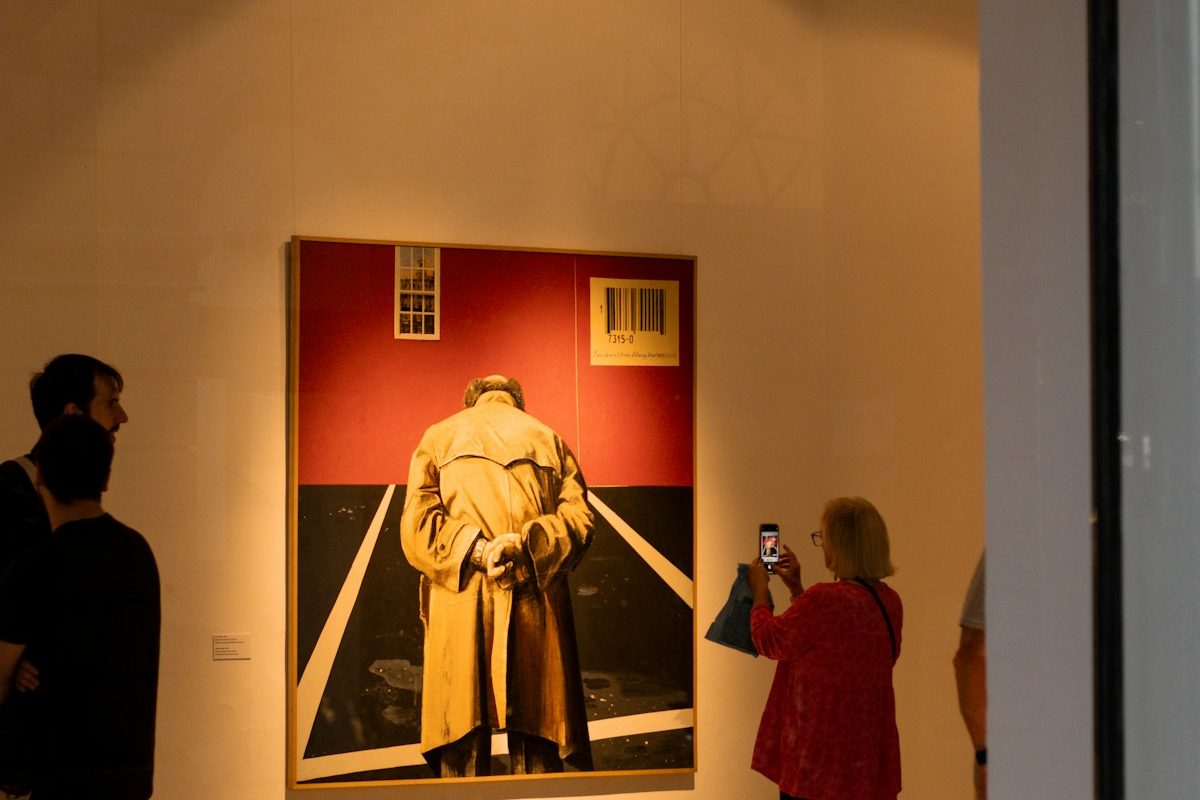
Modern corporate curation involves far more than hanging paintings in lobbies. Organizations today commission site-specific works for high-visibility spaces, rotate exhibitions quarterly across multiple offices, and lend works to museums and partner institutions. Curators connect artists with gallery shows, art fairs, and a global audience they might not reach alone.
Many companies work with external art advisory services, but internal teams still struggle with tracking, documentation, and reporting. Art consultants bridge the gap between art and business, offering expert advice on art acquisition, curation, and management that can enhance offices and healthcare spaces alike. Art consultants provide significant advantages, including extensive knowledge of the art market, access to a wide range of talented artists, and the ability to streamline the art selection process for clients.
Collections often span decades—pieces acquired in the 1980s alongside contemporary art purchased in 2023–2025—creating complex provenance and condition histories. ESG reporting and brand storytelling now require accurate collection data, high-resolution images, artist bios, and exhibition histories that curators must access quickly.
Key Challenges in Managing Curated Art Collections
Effective art collection management involves cataloging inventory, tracking loans, and maintaining documentation related to condition and insurance. Yet organizations managing art collections often face significant challenges:
- Data fragmentation: Artworks tracked in spreadsheets, PDFs, email threads, legacy software, and paper binders across departments and cities. A 2022 Guggenheim study found 65% of managers rely on spreadsheets, leading to errors in 25% of inventory audits.
- Location uncertainty: Difficulty knowing which work is in which office, conference room, storage cage, or on loan—especially during office moves from 2020–2024.
- Loan complexity: Multi-work loans to partner institutions require precise start/end dates, conditions, agreements, and transfer instructions.
- Image and document chaos: High-resolution images in shared drives, contracts in email, conservation reports in local folders with no consistent structure.
- Insurance and risk: Provenance documentation is crucial in establishing authenticity and value. Without it, coverage limits fall out of alignment with evolving inventory, particularly after acquisitions or deaccessions.
- Limited analytics: Teams cannot quickly answer questions like “What percentage of our collection is on display?” or “Which locations are underutilizing work?”
- Vendor coordination: Time lost when internal teams cannot provide advisors with clean lists, images, or histories for upcoming projects.
Organizations face challenges in tracking external loans and ensuring the security of image and document archives—problems that compound as collections grow.
What Art Curation Services Typically Include
Art curation covers a defined scope of activities that transform individual pieces into a cohesive collection:
Artwork strategy and selection: Aligning acquisitions and commissions with brand, architecture, and community context. Utilizing local artists in art curation can create a unique connection to the community, enhancing atmosphere and making spaces more inviting for visitors. The art consultation process typically begins with an initial meeting to understand the client’s budget and vision, followed by presenting art options and determining optimal placement.
Curatorial planning: Exhibition development involves planning conceptual themes, selecting international artists, and designing physical or digital layouts. Thematic curation organizes works around specific ideas to create a compelling narrative for public spaces.
Placement and display: Effective art curation involves analyzing floor plans and determining optimal art placement to enhance aesthetic and functional aspects. Exhibition design includes planning physical layout to guide visitor flow and create a specific atmosphere.
Loan and exhibition planning: Curators manage the complex legal and logistical sides of exhibitions, including loan requests, insurance, and rights management. Selection and research are crucial stages, involving choosing specific artwork that aligns with central themes.
Documentation and research: A well-documented provenance can significantly enhance an artwork’s market value, as private and corporate collectors seek pieces with clear, reputable histories. Curators bridge the gap between artist and audience, transforming a random set of works into a narrative that provokes thought.
Collection governance: Advising on acquisition policies, deaccession frameworks, and alignment with corporate compliance teams. Art consultants play a crucial role in curating personalized art collections for various environments by aligning selections with the client’s vision.
Curators ensure that individual pieces create synergy where the whole exhibition is more impactful than its parts. Art advisors lead creative decisions, while platforms like Onward provide infrastructure to track and operationalize those decisions.
How Art Onward Supports Your Art Curation Workflow
Utilizing enterprise-grade software for art collection management can streamline processes such as inventory management, loan tracking, and condition monitoring, making it easier for organizations to maintain their collections efficiently.
Streamlined inventory management: Document each artwork with title, artist, medium, dimensions, acquisition date, purchase price, and current valuation fields curated for corporate use. Professional curation enhances how an artist’s work is presented and understood, increasing their marketability.
Location and storage tracking: Assign works to specific offices, floors, rooms, and storage areas with time-stamped updates when pieces move or go on loan.
Image and document asset management: Secure Amazon Cloud Storage for high-resolution images, certificates of authenticity, provenance records, exhibition checklists, loan agreements, and insurance schedules. Provenance records can include details such as previous owners, auction results, and exhibition history—essential for verifying authenticity and preventing art fraud.
Loan management: Build loan packets including multiple works, associated documents, and transfer instructions, reducing email exchanges with institutions.
Insurance tracking: Track insured values, policy references, renewal dates, and coverage notes—Onward does not provide insurance or appraisal services but ensures your records stay current.
Analytics and reporting: Review collection distribution, display vs. storage ratios, loan activity, and artist representation. Effective curation makes complex themes accessible to the public through interpretive materials and educational programming.
Private rooms: Assemble digital presentations for a new office build-out or executive suite refresh without exposing entire inventory.
Task and maintenance management: Schedule conservation visits (performed by outside vendors) and condition checks, attaching outcomes to each record.
Art Exchange: Loan underutilized works or explore new placements, supporting curatorial rotation across your curated collection.
Supporting Internal Teams, External Advisors, and Stakeholders
- Facilities, curators, and art consultants work in one centralized system with role-based access protecting sensitive financial fields
- Project teams share filtered lists (e.g., “works suitable for Boston lobby refresh Q4 2025”) with advisors without exporting messy spreadsheets
- Executives pull approved images, artist bios, and collection highlights for annual reports, ESG disclosures, or PR campaigns
- Shared source of truth reduces confusion before openings, moves, and high-visibility final installation projects
Benefits You’ll See from Pairing Art Curation Services with Onward
When you combine expert art advisory with Onward’s infrastructure:
- Operational clarity: Your team always knows what you own, where it is, and what it’s worth—even across dozens of locations
- More effective curation: Art advisors focus on strategy and creativity instead of chasing basic data
- Better asset utilization: Analytics identify under-displayed works, supporting more active rotation schedules
- Risk reduction: Consolidated records of condition reports, transfers, and insurance details lower dispute likelihood during claims or audits
- Stronger stakeholder engagement: Consistent documentation enables digital exhibitions and educational materials showcasing the collection
- Scalability: When your business opens new offices, existing workflows in Onward make expansion faster and more predictable
Best Practices for Managing Curated Collections with Onward
- Establish a single source of truth: Migrate legacy spreadsheets and paper files into Onward as the default reference
- Standardize cataloging fields: Agree on required fields (artist, medium, provenance summary, acquisition details) and enforce them
- Use time-stamped updates: Log every move, loan, or installation change as it happens
- Attach documents immediately: After each acquisition, loan, or insurance update, upload files to prevent gaps
- Create curated views: Build saved searches for different teams—“works by local art acquired after 2020” or “pieces available for inter-office loan”
- Integrate with your curatorial calendar: Align Onward tasks with upcoming exhibitions and office openings
- Review analytics quarterly: Assess display vs. storage ratios, loan volume, and geographic distribution
Getting Started: Bringing Your Art Curation Services and Onward Together
- Inventory assessment: Audit existing inventory lists, image folders, and loan records; decide which collections to onboard first
- Data migration: Work with Onward’s team to import records, normalize fields, and connect documents to artworks
- Workflow mapping: Map curatorial and facilities workflows to Onward’s tasks, location management, and loan modules
- Advisor access: Invite your external art advisor into the platform with appropriate permissions
- Training: Provide role-specific training for curators, facilities, and operations staff
- Pilot project: Use a 2026 office refresh or exhibition series as a pilot, then refine based on feedback
Next Steps: See How Onward Can Support Your Art Curation Program
Art curation services bring vision and expertise. Onward provides the structure, data, and tools that keep your collection organized, visible, and ready for what’s next.
Ready to see how your collection data would look in the system? Request a demo to explore how Onward supports corporate facilities directors, operations leaders, and curators managing world class artists and diverse collections.
If you’re ready to move from ad-hoc tracking to centralized, enterprise-grade art collection management, get started with Onward today.