Consider a multi-city financial firm refreshing its offices after the hybrid shift. Leadership decides to reinstall art in lobbies and collaboration hubs—not as decoration, but as a deliberate tool to reconnect distributed teams and signal sophistication to visiting clients. Large-scale commissioned pieces now replace traditional reception desks, creating immediate emotional resonance in what designers call “arrival zones.”
This scenario reflects a broader shift. Research shows that 93% of workers say artwork makes their office feel more welcoming, indicating that choosing the right art is about creating an atmosphere that boosts creativity and lifts moods. Yet many facilities directors face scattered artworks across global sites, reliance on outdated spreadsheets, and no centralized view of inventory by floor or city. The right art management software centralizes cataloging, valuation, and reporting. Art Onward (“Onward”) addresses this directly, helping organizations manage workplace art as a strategic asset. This article covers the current state, key challenges, how Onward helps, tangible benefits, best practices, and how to get started.
The Current State of Workplace Art Programs
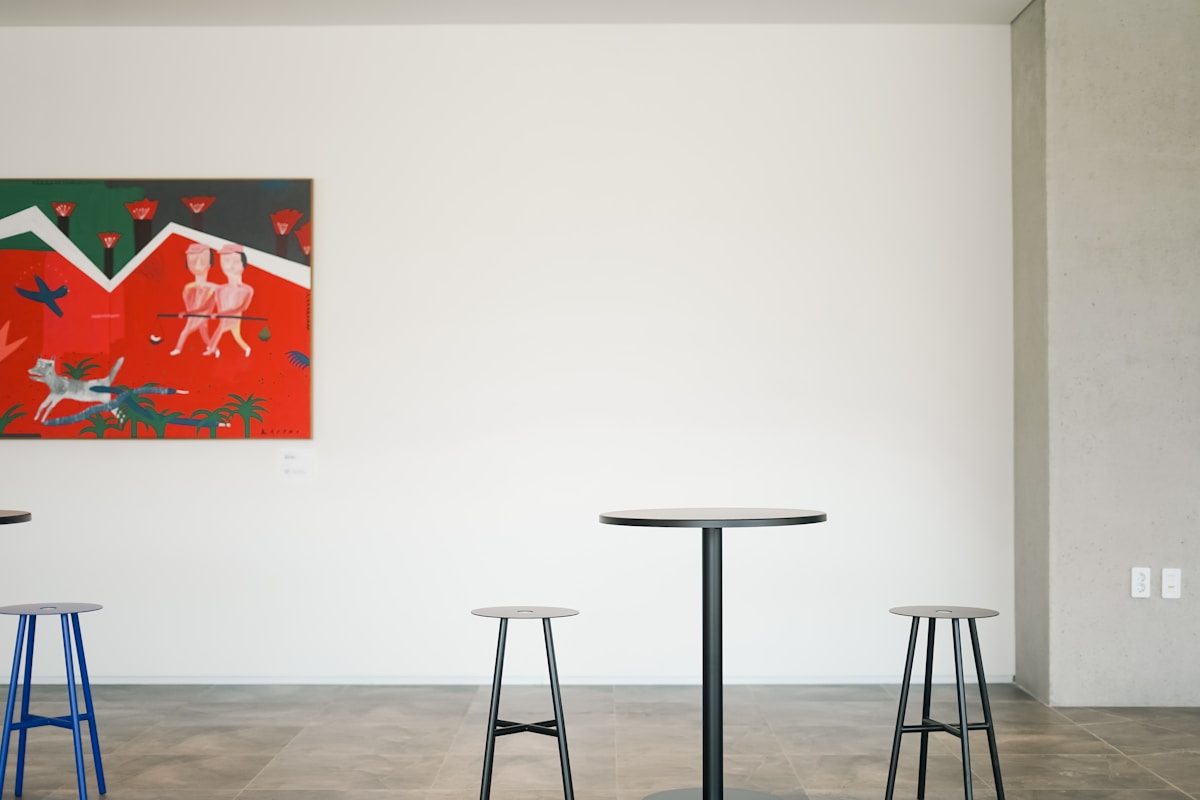
Many corporate offices, universities, hospitals, and law firms built collections informally between 1980 and 2015, often without centralized records. A healthcare system might manage 2,000+ works across eight hospitals. A university might have murals, prints, and sculptures spread over multiple campuses with no single source of truth.
Common realities include:
- Art spread across reception areas, executive suites, meeting rooms, corridors, and storage
- Hybrid working increasing demand for art in shared offices and branded collaboration hubs
- Organizations still relying on shared spreadsheets, paper binders, or museum databases not built for corporate facilities
- Zoom backgrounds becoming a new canvas for office art and brand identity
Key Challenges of Managing Workplace Art at Scale
If you manage a sizable workplace art collection, you’ve likely run into several of these issues simultaneously:
- Visibility gaps: Difficulty answering basic questions like “What’s on level 23 in London?” or “Which pieces are in storage vs. on loan?”
- Location and condition tracking: No time-stamped history of moves, installation dates, or condition updates after renovations
- Documentation gaps: Missing provenance, incomplete artist data, scattered insurance documents across shared drives
- Loan and rotation complexity: Ad hoc tracking of internal relocations and external loans, risking loss or damage
- Risk and compliance: Challenges demonstrating to risk managers that artwork is properly documented, valued, and protected
- Underutilized pieces: High-value works sitting in storage while client-facing walls remain blank
How Workplace Art Shapes Culture, Well-being, and Brand
 corporate art collection” class=”wp-image-1851″ style=”width:500px”/>
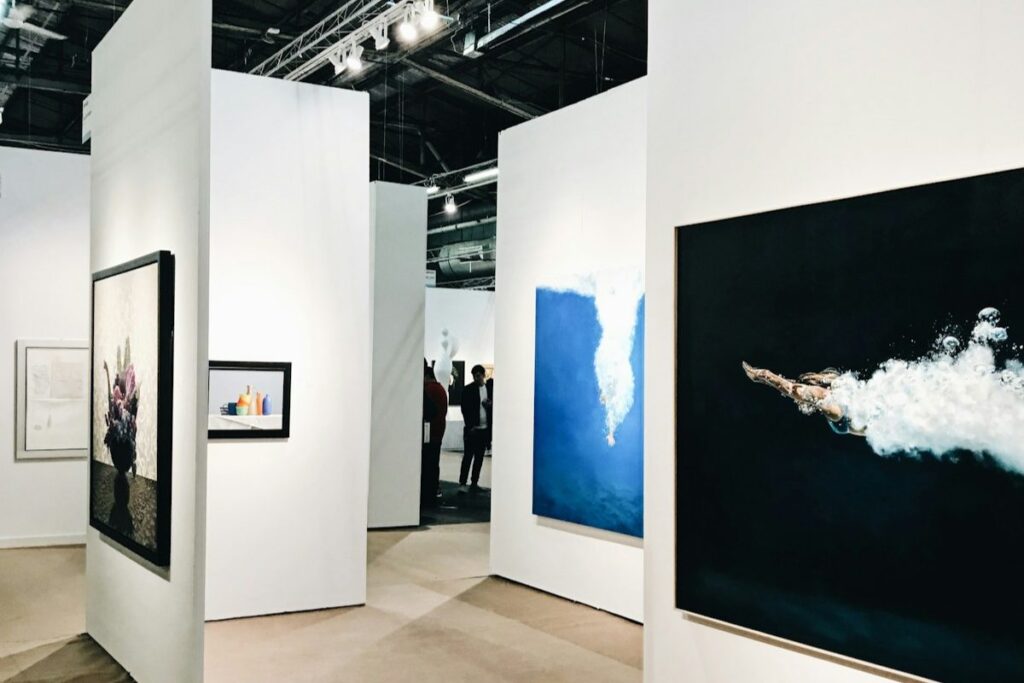
Solving logistics is only half the story. A well-curated office space can improve employee well being, boost creativity, and reduce stress, making the selection of office art a strategic decision for enhancing workplace culture. Thoughtful selection of corporate office artwork turns plain walls into part of the brand.
Research from the National Endowment for the Arts found that creative environments can activate the parasympathetic nervous system, which helps lower cortisol levels and improve focus. Nature-inspired art can lower cortisol levels and help individuals return to work with a clearer head. Art helps employees take mental micro-breaks, decreasing anxiety and mental fatigue. Art also helps employees recover from high-focus tasks, reducing anxiety and anger.
This is especially relevant for government entities and facilities, where transparency in asset management—including art—is a matter of public trust.
Key impacts include:
- Employee experience: Employees in an art-enriched environment can be up to 32% more productive. Art in the workplace can reduce stress and improve mood, leading to fewer signs of burnout among employees.
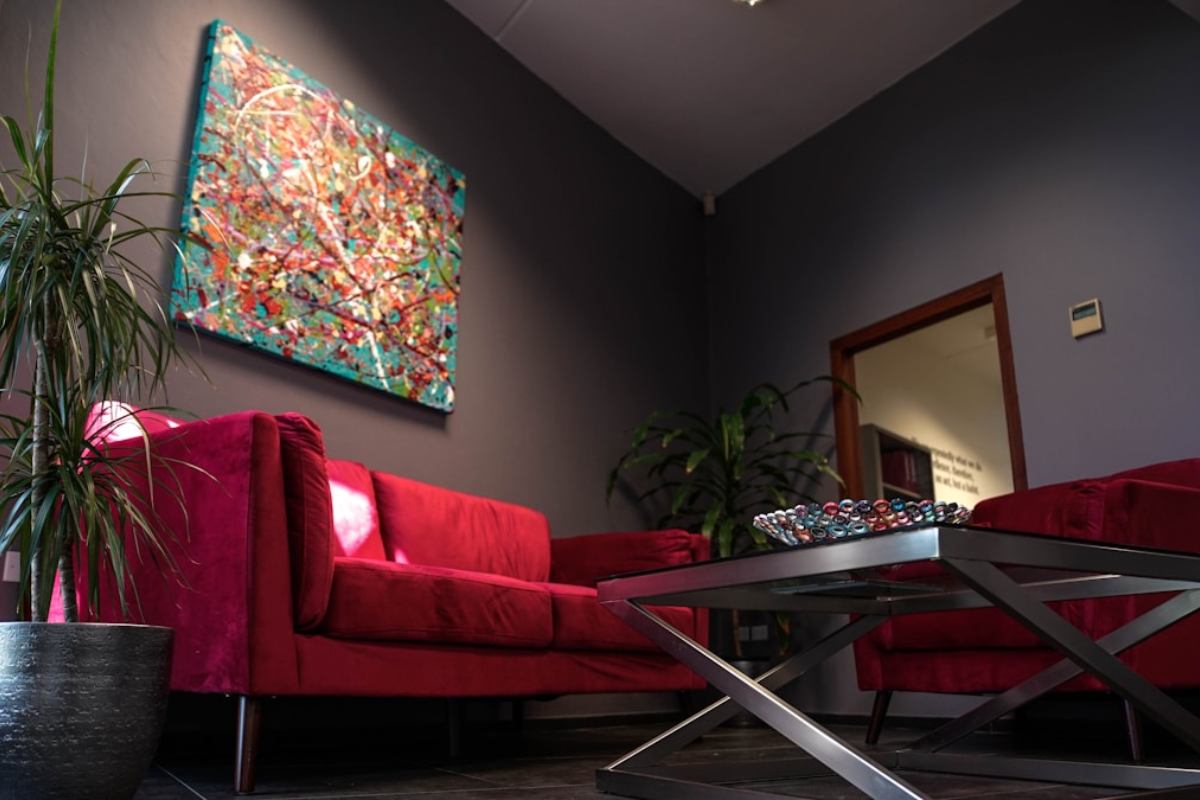
- Psychological effects: Bold, colorful abstract pieces can fuel imagination and creative thinking in collaborative spaces, while calming art supports focus in individual workspaces
- Brand storytelling: A law firm might display black-and-white photography of its city’s history since the 1950s. A tech company might showcase data-inspired digital works reflecting innovation.
- Talent attraction: Candidates perceive art-curated spaces as more desirable. A thoughtfully designed office space that includes art can contribute to lower stress and better focus, supporting a healthier work environment.
- Connection: Art serves as a conversation starter in common areas, boosting collaboration and building a cohesive team. Integrating art into the workplace creates a sense of community and inspires collaboration among employees. Strategically chosen art can non-verbally communicate a company’s values and commitment to diversity.
Where Workplace Art Lives: Key Zones to Prioritize
Think in zones and journeys, not just blank walls. Art plays different roles depending on location:
- Reception and lobby: Large, intentional pieces take up roughly 60–75% of the wall width, creating a stronger professional impact. The standard gallery height for the center of a piece is 57–60 inches from the floor.
- Meeting rooms and boardrooms: Office wall art here should support focus and confident decision-making. Consider camera-friendly pieces that avoid glare on video calls and enhance aesthetics without distraction.
- Corridors and transitions: Rhythmic, coherent series guide movement and maintain energy. The best art for an office depends on the industry, with nature inspired art and calming abstract works being universally effective choices that reduce stress and encourage focus.
- Workstations and focus areas: Artwork should be approximately two-thirds the width of furniture above which it is hung to maintain visual balance. Art serves as a positive distraction, allowing employees to reset and return to tasks with refreshed focus.
- Shared hubs (cafés, lounges, innovation labs): Bolder, vibrant works from local artists encourage conversation. Art acts as a natural conversation starter, enhancing social interaction among teams.
- Remote and hybrid setups: Thoughtfully chosen wall art behind desks creates professional, on-brand Zoom backdrops for your workspace.
From Décor to Data: How Art Onward Supports Workplace Art Management
Once art is part of your workplace strategy, you need tools to manage it with the same rigor as any other asset. Art is more than decor—it requires tracking, documentation, and intentional deployment.
| Capability | What It Does |
|---|---|
| Streamlined Inventory Management | Centralize artworks, locations, values, and details in one cloud-based system |
| Location & Movement Tracking | Time-stamped updates recording when works move between floors, sites, or storage |
| Document & Image Asset Management | Attach condition reports, loan agreements, transfer instructions, and insurance documents directly to records |
| Smart Search & Artist Profiles | Search by building, floor, artist, medium, theme, or status; maintain comprehensive artist profiles |
| Multi-work Loan Creation | Track internal redistributions and external loans to partners |
| Analytics & Reporting | Generate summaries by location, value band, department, or status for leadership |
| Amazon Cloud Storage | Secure storage reducing reliance on local drives or paper archives |
Benefits You’ll See When You Treat Workplace Art as an Asset
The payoff shows up across operations, culture, finance, and risk management:
- Operational efficiency: Reduced time hunting for artworks or documents during office moves, audits, or client visits
- Better space planning: Plan rotations and installation by floor or city based on accurate inventory data
- Enhanced employee experience: Art in the workplace improves productivity by reducing stress and creating an environment where people feel more engaged and motivated
- Risk and compliance: Easier collaboration with insurers through complete records of works, locations, and coverage
- Utilization of stored works: Identify underused pieces and redeploy them instead of purchasing new art
- Strategic reporting: Demonstrate to executives how your collection supports brand, ESG initiatives, and workplace well being
Best Practices for Planning and Maintaining Workplace Art Collections
Every organization varies, but these practices consistently lead to stronger collections:
- Define governance: Designate a cross-functional group (facilities, HR, brand) with clear decision-making authority reflecting your company’s values
- Standardize data: Set fields for every work—title, artist, year, medium, dimensions, acquisition date, location—and enter them consistently in Onward
- Develop zoning guidelines: Match different styles to room function. Art can be selected using energetic pieces in collaborative spaces and calming art in individual workspaces.
- Condition routines: Establish regular checks. Artwork should avoid direct, harsh sunlight to prevent fading. Document any conservation work without performing it yourself.
- Rotation cadence: Regularly rotating art can refresh the environment and prevent visual stagnation. Propose annual rotations in reception and key corridors. Involving employees in the art selection process can increase productivity by up to 30%. Allowing employees to choose or create office art increases their engagement by 60%.
- Communication: Share short stories about pieces via intranet or digital displays. This creates inspiration and builds staff connection to the collection.
Getting Started: Bringing Structure to Your Workplace Art
You don’t need to solve everything at once. A phased approach works:
- Phase 1 – Quick audit: Walk through main sites photographing each work, capturing basic detail, and noting condition issues
- Phase 2 – Centralize records: Consolidate spreadsheets and paper files into a single Onward instance
- Phase 3 – Map locations: Tie each piece to building, floor, room, and wall so facilities teams can rely on data during moves
- Phase 4 – Prioritize risk and visibility: Focus on high-value works in reception, entrance areas, and client zones
- Phase 5 – Introduce rotations: Once inventory is stable, plan intentional rotations and generate reports for leadership
Engage HR, communications, and leadership early so they see workplace art as a shared strategic resource across industries and teams.
How Art Onward Fits into Your Workplace Art Strategy
Onward is built for organizations treating art as a long-term asset, not just something to fill space. Core capabilities include inventory management, location and loan tracking, document management, analytics, and task management—all in one platform.
Compared to traditional museum systems (overly complex for corporate use) or generic tools (spreadsheets lack scalability), Onward offers cost effective ways to manage multi-site corporate environments with the right balance of simplicity and robustness. Organizations using Onward report clearer visibility into collections, smoother office refresh projects, and more confident collaboration with risk and facilities teams.
Consider how your current tools compare to a dedicated art management platform in terms of efficiency, accuracy, and scalability.
Next Steps: Turn Your Workplace Art into a Managed Asset
Well-managed workplace art can simultaneously support culture, client perception, and operational control. It’s a powerful tool that can stand as a reflection of who you are as an organization.
- Identify one priority site (headquarters or flagship campus) as a pilot for bringing your art data into Onward
- Schedule an internal conversation between facilities, HR, and brand teams about current gaps in your program
- Learn more about Onward for deeper feature details and client use cases
- Request a demo