If your organization manages fine art across multiple locations, you already know how quickly things get complicated. A corporate collection that once lived in a single headquarters now spans regional offices in Chicago, clinic networks in Houston, and a new campus opening in 2027. Artwork is constantly rotated, loaned to partner museums, and reinstalled for leadership events. Institutions increasingly standardize on art management software. Coordinating shows and stock is simpler with dedicated art gallery management software. Serious collectors increasingly manage holdings through art collection software.
Table of Contents
How Art Onward supports every stage of art handling
Best practices for working with art handlers using Onward
Getting started: bringing order to your art handling in 2026–2027
Next steps
Art Handling Services FAQ
Physical art handling—packing, transport, installation—is now inseparable from data: locations, insurance values, loan terms, condition reports, and transfer instructions. Art Onward sits above your art handlers and logistics providers, helping you coordinate, document, and monitor every move. This article shows how to work with art handling providers effectively and how Onward supports inventory management, transport, installations, loans, and reporting. (see AAM collections stewardship guidelines)
What “art handling services” actually cover today
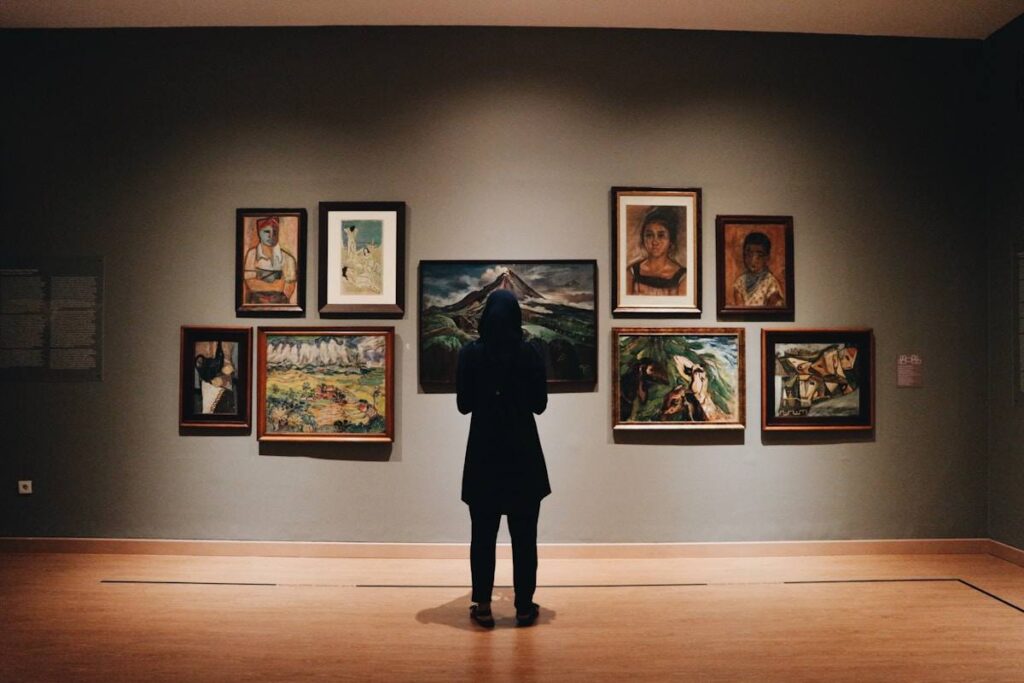
Modern art handling services extend far beyond moving paintings from point A to point B. For institutions and corporations with distributed collections, these services form a comprehensive ecosystem.
Core service categories include:
- On-site installation and de-installation using specialized equipment
- Local and interstate transport with climate-controlled vehicles
- International shipping with customs clearance
- Custom crating and packing for complex projects
- Long term storage in climate-controlled facilities
- White-glove office moves and exhibition changeovers
Specialized teams handle diverse media: paintings, works on paper, monumental sculpture requiring fabrication expertise, mixed-media installations, digital displays, and architectural pieces. Art handlers working with artists and galleries bring decades of professionalism to ensure each art piece reaches its destination safely.
The distinction between physical services and administrative work matters. Condition reporting, inventory check-in/check-out, insurance documentation, and loan paperwork all run parallel to the hands-on handling. For a 300-piece collection spread across 10+ locations—from New York to Washington to California—art handling quickly becomes an information problem as much as a logistics problem.
Key challenges you face managing art handling at scale
When your collection spans multiple cities and your team coordinates with museums, galleries, auction houses, and private collectors, several pain points emerge:
Before any transit, a current art valuation ensures adequate insurance coverage for the move.
- Location confusion: Artworks shuttle between New York, London, and Toronto without a single updated source of truth. Works get “lost” in the system, discovered only during last-minute scrambles before VIP events.
- Fragmented documentation: Condition reports sit in email threads, loan agreements live in shared drives, and shipping photos remain on personal phones. Audits become slow and error-prone.
- Insurance gaps: Out-of-date values, unrecorded transfers between buildings, and missing proof of professional handling complicate claims after transit incidents.
- Coordination bottlenecks: Facilities teams, curators, external art handlers, risk management, and finance all rely on manual spreadsheets and long email chains—averaging 50+ messages per project.
- Compliance concerns: Banks, hospitals, and universities face governance scrutiny where gift documentation, provenance, and custodial responsibility must withstand review over many years.
How Art Onward supports every stage of art handling

Onward complements your physical art handling partners rather than replacing them. Here’s how the platform addresses each capability area:
Inventory Management & Tracking: Log every artwork with images, dimensions, medium, current location, and movement history. Update records instantly after a 2026 office relocation or exhibition changeover.
Location & Transfer Instructions: Store room-level locations (e.g., “Chicago – 19th Floor – North Corridor”) and attach precise hanging and transfer instructions to guide external art handling teams on site.
Document & Image Management: Centralize loan agreements, condition reports, shipping manifests, installation diagrams, and crate photos using Amazon Cloud Storage, accessible to authorized staff across cities.
Professional handlers work hand-in-hand with art storage facilities to maintain climate-controlled conditions.
Loan Management: Create single outbound or inbound loan records for groups of works, tracking term dates, courier needs, and insurance certificates.
Task Management: Assign pre-shipping condition checks, post-install inspections, and frame maintenance to internal staff, then link completed tasks to each object’s record.
Analytics & Reporting: Pull reports showing which works sit in storage versus on display, which move frequently, and which buildings under-utilize their allocated artwork.
Coordinating installation and de-installation
Consider a scenario: refreshing a corporate lobby exhibition in 2026. Here’s how Onward supports the process:
Coordinating these services is easier when your collection management software tracks condition reports and shipping history in one place.
| Stage | What happens in Onward |
|---|---|
| Installation planning | Select works, confirm dimensions, check framing status, prepare hanging plan before handlers arrive |
| De-installation | Log when works come off the wall, capture time-stamped updates, assign temporary locations like “Staging Room – Dallas HQ” |
| Condition capture | Attach condition notes and photos before and after each installation, building visual histories |
| Vendor collaboration | Export packing lists, annotated floor plans, and installation instructions to share with your transportation company |
Supporting transport, shipping, and storage decisions
Good data makes physical art transport and storage safer and more efficient:
- Transport preparation: Build manifests directly from your inventory, including weight, dimensions, packing notes, and requirements like climate control or vertical-only transit
- Route coordination: Keep all objects, locations, and contacts in one place for complex moves—like a multi-stop shuttle from Minneapolis to New York to Boston
- Storage tracking: Record which items occupy which racks or bays in off-site facilities, with movement dates for retrieval and annual inventory
- Insurance tracking: Capture insured values, policy numbers, and coverage periods linked to individual works, helping your broker verify each transport leg is covered
Loan programs and internal “art exchange” initiatives
Art handling enables loan programs, but software keeps them controlled:
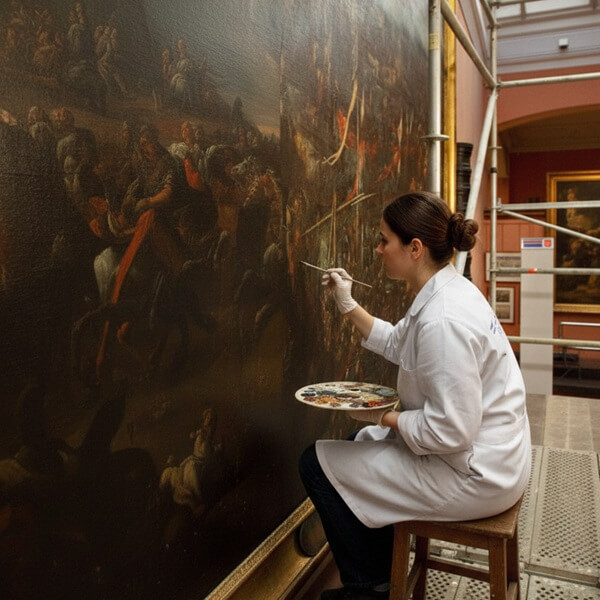
- External loans: Track outbound loans to museums and universities, including term dates, couriers, crate IDs, and required handling standards
- Internal exchanges: Identify under-utilized works in storage or low-traffic offices and reassign them to new locations through Onward’s Art Exchange concept
- Multi-work loans: Group multiple artworks into a single loan, giving handlers one consolidated set of instructions
- Audit trail: Every move leaves a time-stamped log, providing clear history when stakeholders ask where a work has been between 2022 and 2026
Best practices for working with art handlers using Onward
- Standardize object records: Include hardware type, wall requirements, weight, and preferred orientation before engaging handlers
- Centralize documents: Attach vendor quotes, contracts, certificates of insurance, and customs paperwork to relevant works inside Onward
- Use tasks for critical steps: Create tasks for pre-shipping checks, photograph documentation, crate labeling, and post-delivery inspections
- Align locations and floor plans: Use consistent naming (building, floor, room) matching facilities and security systems
- Update in real time: Record moves immediately after handlers complete work using time-stamped inventory updates
- Report regularly: Run quarterly reports showing moves, storage changes, and loans to negotiate better pricing with partners
Benefits you’ll see when you pair art handling services with Art Onward
| Benefit | Impact |
|---|---|
| Operational clarity | Everyone sees where works are, what’s in motion, and what’s planned |
| Reduced risk | Fewer misplaced works and undocumented moves |
| Stronger insurance position | Produce accurate inventories and condition histories within minutes |
| Better collection use | Analytics reveal which pieces stay in storage too long |
| Time savings | Curators spend less time chasing spreadsheets, more time stewarding the collection |
Getting started: bringing order to your art handling in 2026–2027
Begin by centralizing existing inventories, photographs, and key documents into Onward, focusing on active sites and high-value works. Next, define consistent location names, object fields, and basic handling notes so every future installation follows the same structure. Then share exported packing lists and transfer instructions from Onward with your preferred crating services and fine art services providers on upcoming projects. Finally, expand to include more sites, additional departments, and legacy works, layering in analytics for leadership reporting.
Organizations using Onward report smoother collaboration between facilities, curatorial staff, and external art handlers once they adopt a single shared system of record.
Next steps
Professional art handling services remain essential—trained handlers, climate-controlled transport, and secure storage protect your collection across the globe. But their impact multiplies when supported by disciplined inventory, documentation, and workflow tools committed to quality and preservation.
If your organization is preparing for upcoming moves, renovations, or loan programs, Onward provides the practical next step. Request a demo or learn more about Onward to align your art handling processes with a modern, enterprise-ready collection management platform.
Art Handling Services FAQ
What are art handling services?
Art handling services encompass the professional packing, transportation, installation, and storage of fine art. Trained art handlers use specialized materials and techniques to protect artworks during every stage of movement, from gallery rotations to cross-country relocations.
When should I hire professional art handlers?
Hire professional handlers whenever moving valuable, fragile, or oversized artworks. This includes office relocations, exhibition installations, loan shipments, and storage transitions. The cost of professional handling is almost always less than the risk of damage from inexperienced movers.
How much do art handling services cost?
Costs depend on the size, fragility, and distance of the move. Local installations may start at a few hundred dollars per piece, while climate-controlled cross-country shipments of large works can run into thousands. Most handlers provide itemized quotes after assessing the specific requirements.
What qualifications should art handlers have?
Look for handlers with fine art logistics training, experience with your types of artwork (paintings, sculpture, mixed media), and proper insurance coverage. Reputable firms carry fine art transit insurance and can provide references from museums or corporate collection programs.
How should artwork be packed for transit?
Professional packing typically involves acid-free tissue, foam padding, custom crating for high-value works, and climate buffers for temperature-sensitive materials. The packing method should match the artwork’s medium, size, and fragility, as well as the mode of transport.
Do art handling services include insurance?
Most professional art handling companies carry transit insurance, but coverage limits vary. Always confirm the policy details, deductible, and per-item limits before shipping. For high-value works, your own fine art insurance policy may need to extend coverage for the transit period.