If your organization manages corporate art, you’ve likely faced scenarios where works disappeared into the unknown—and you need real art storage solutions, not improvised closets. The 2020 office closures sent art hastily packed into closets and hallways without documentation—a 2021 survey by the Association of Corporate Art Curators found 65% of organizations experienced exactly this, with average recovery times stretching 6-12 months during relocations. Multi-city moves in 2022 saw collections scattered across basements and off-site facilities, often without updated records.
Whether you’re a professional or hobby artist, or managing a corporate collection, art storage solutions must accommodate a variety of stuff—including larger items, acrylic, markers, pencils, pens, tubes, and other mediums—while keeping everything tidy and handy. Maintaining an organized storage environment, whether in a craft room or around the house, is essential for accessibility and efficiency. Specialized accessories such as hooks, trays, shelves, and textile holders can further enhance organization and accessibility for different types of art materials.
Today, art storage solutions encompass both physical systems—racks, vaults, cabinets—and digital platforms that centralize inventory, loan, and location management. Art Onward (Onward), a B2B SaaS platform for corporate art collection management, bridges these two worlds. This article focuses on aligning your storage environment with a modern, centralized software layer, written for facilities directors, operations leaders, and corporate curators managing multi-site collections ranging from 500 to 5,000 pieces.
The Current State of Art Storage in Corporate and Institutional Settings
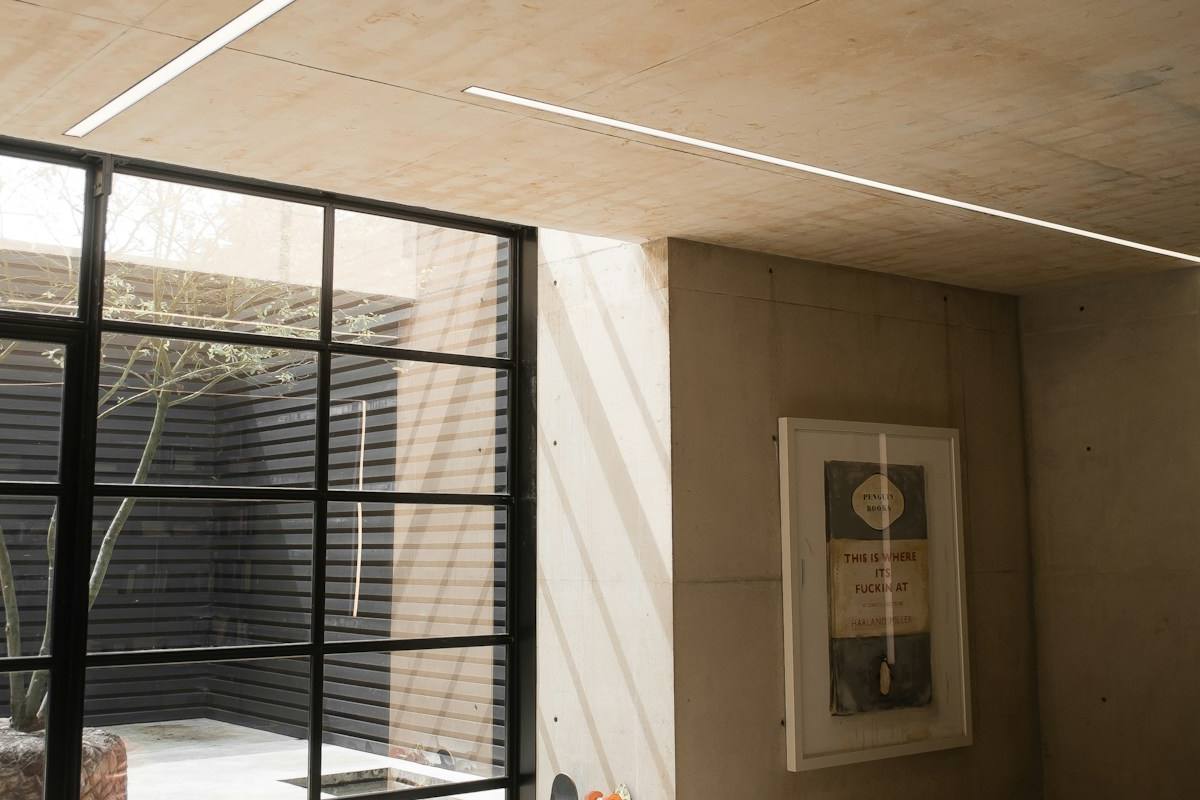
Walk through most corporate environments in 2024-2025 and you’ll find a familiar pattern: high-visibility pieces hang in reception areas and meeting rooms while surplus works languish in basements or off-site warehouses. Unlabeled crates from a 2018 relocation sit alongside artworks “temporarily” moved during a 2023 renovation—never properly recorded.
Common physical setups include wall-mounted racks and shelving that utilize hooks and clips to hang or organize artwork and supplies. These systems often feature holes for adjustable placement of hooks or brackets, allowing for flexible arrangements. Maximizing art storage solutions on walls is key, with racks and screens installed directly to make use of otherwise unused wall space. Floor-standing lateral racks, flat files, and stackable storage units—such as clear acrylic drawers—help optimize space, while storage units with wheels provide mobility in storage rooms and off-site warehouses. When selecting racks or shelving, it’s important to consider weight capacity to ensure safe storage of collections. Museum-style modular pull-out screens remain aspirational for most organizations. Meanwhile, documentation lags severely—80% of organizations still rely on spreadsheets, shared drives, and email threads lacking photos or condition notes.
Consider these scenarios: a university system with art spread across 10 campuses without centralized logs; a healthcare network managing pieces in 15 clinics plus a central art storage solutions room; a financial firm using off-site storage since 2021 at $15,000+ yearly without digital trails. Remote and hybrid work since 2020 has made matters worse—fewer people walk spaces daily, and changes go unnoticed.
Key Challenges in Managing Art Storage at Scale
Here’s the challenge: once your collection, locations, and art storage solutions footprint grow beyond a single office, operational hurdles multiply.
Unknown or outdated locations. Works move from lobbies to storage rooms to off-site facilities without clean trails. Staff waste 10-20 hours per search, stalling deaccession discussions and delaying office restacks. Avoid stacking paintings directly against each other during these moves to prevent damage.
Fragmented documentation. Provenance records, condition reports, loan agreements, and insurance certificates scatter across filing cabinets, PDF folders, and email archives. This undermines proper storage decisions—high-value pieces end up without climate-appropriate environments.
Condition and risk. Canvases sit on floors near mechanical rooms, framed pieces lean in corridors, and ad hoc post-renovation storage becomes “permanent.” Risks include mold at humidity levels above 65% and frame warping from temperature swings.
Inefficient space use. Tightly packed racks with unlabeled shelves hide important works and slow retrieval by 50%. Generic warehouse shelving lacks the segmentation needed for clear organization by building, floor, or collection. Simplifying the process of putting art supplies and accumulated stuff away not only improves organization but also reduces retrieval time and frustration.
Underutilized inventory. Many organizations keep 30-60% of their collection in storage for years, invisible to internal programming because no one can easily “see” what’s there.
Reporting complexity. Finance or risk teams periodically request current lists of stored works with values and locations by building. Assembling this manually takes days, and insurance premiums rise 10-20% for undocumented risks.
Physical Art Storage Solutions: Racks, Rooms, and On-Site vs. Off-Site

While Onward is software, your storage strategy begins with physical infrastructure. Software then gives you control and visibility over whatever solutions you choose.
Wall-mounted and lateral racks. Art racks are available in various configurations, including modular, wall-mounted, lateral, carriage-mounted, floor-supported, and overhead-supported systems, each designed to optimize storage and accessibility for artwork. To further enhance organization and display, you can use specialized accessories such as hooks, clips, trays, and brackets, which can be adjusted using holes in the racks to securely hold and arrange artwork and related collections. Floor-mounted lateral racks use tracked sliders, boosting density by up to 400% over flat stacking and minimizing handling trauma. Vertical racks are effective for storing canvases and preventing damage from stacking.
Modular pull-out systems. Free-standing steel frames with pull-out screens on heavy-duty casters serve museums and larger institutions well. Many modular systems incorporate wheels for mobility, allowing you to easily reconfigure storage layouts as needs change. These expand capacity as collections grow and integrate seamlessly with Onward’s location management to map each screen or bay.
Cabinets, flat files, and shelving. Flat files are ideal for storing prints, drawings, and paper works without damage. Enclosed cabinets suit works on paper and smaller objects—acid-free and lignin-free storage solutions protect artworks from airborne pollutants. Stackable storage units, such as clear acrylic drawers, maximize space and organization, while it’s important to consider the weight limits of shelves and cabinets to safely store larger items like canvases or equipment. Use breathable materials like cotton blankets or archival-grade paper for long-term artwork storage to avoid moisture-related issues. Archival Clamshell and Drop-Front Boxes are effective for home preservation of artworks, and using acid-free tissue or glassine paper between artworks prevents sticking and chemical reactions.
A variety of storage solutions are available to accommodate different types and sizes of artwork, ensuring flexibility and adaptability for your collection’s unique needs.
For multi-city companies managing art across distributed offices, centralised tracking ensures consistency in how artworks are catalogued, maintained, and relocated.
Critical environmental considerations:
- Avoid plastic wrap for artwork storage, as it can trap moisture and encourage mold growth
- Store artwork out of direct sunlight to prevent fading and yellowing
- Maintain consistent temperature (70-72°F) and humidity (~50%) for preservation
- Using corner protectors can help maintain the integrity of frames during storage
- Artwork should always be elevated off the floor to protect against potential water damage
On-site vs. off-site storage. High-profile works often stay on-site for quick access, while lower-rotation pieces move to off-site facilities—a pattern that accelerated during 2020-2022 as corporate real estate tightened. Off-site makes sense when costs fall below $20/sq ft with 24/7 security and proper HVAC, but detailed inventory records become essential when staff rarely visit.
Digital Art Storage: Centralizing Inventory, Documents, and Media
Reframe “storage” to include digital assets: high-resolution images, condition reports, transfer instructions, insurance records, and location histories sitting behind every physical object. Staff and vendors spread across cities and time zones need shared, time-stamped views that local drives and spreadsheets cannot provide.
Key digital storage needs include:
- High-quality image and document asset management for each work
- Clear location hierarchies (site → building → floor → room → rack/shelf)
- Direct links between works and insurance details, loan records, and transfer instructions
Onward uses Amazon Cloud Storage to keep images, documents, and metadata secure and centralized. Role-based access ensures curators see provenance while facilities track locations and finance pulls valuations.
Strong metadata and smart search let staff filter stored items by a variety of criteria, including medium, size, building, or risk level—making it easy to organize different artistic mediums and the variety of art materials in your collection. A curator can pull all stored photography from Building C to plan a 2026 exhibition rotation—cutting prep time by 70%.
How Art Onward Helps You Manage Art in Storage

Art Onward gives you a single place to track what you own, where it lives, and how it’s used—whether a work hangs in a lobby or sits in a lateral rack in off-site storage.
Inventory management and location tracking. Streamlined Inventory Management & Tracking lets you assign each work to precise locations like “Storage – HQ Basement – Rack B – Panel 3.” Time-stamped inventory updates record every movement between storage rooms, buildings, or off-site facilities.
Storage-focused location management. Location Management mirrors your physical storage hierarchy—site, storage room, rack, shelf, bin—and accommodates new spaces when offices open or close. Mark a piece moved from “NYC Office – 18th Floor Lobby” to “Off-Site Warehouse – Room 2 – Wall-Mounted Rack 4.”
Image and document asset management. Store installation photos, crate photos, rack placement photos, and PDFs like transfer instructions and loan agreements. A facilities manager pulls up a rack photo and transfer instructions before relocating five large paintings.
Loan management. Loan Management and Multi-work Loan Creation handle pieces sent from storage to internal offices, external exhibitions, or corporate partners. Art Log tracks movements, reducing confusion about what’s temporarily off-site versus permanently stored.
Insurance and risk tracking. Insurance Tracking tags stored works with policy details and values. Analytics & Reporting generates summaries for risk management or insurance brokers when storage arrangements change.
Task and maintenance management. Schedule periodic checks using Maintenance Task Management—annual visual reviews of all works on Rack C, or post-construction inspections after a 2025 office renovation. Log frame issues found during inspections; Onward records them while external specialists handle conservation work.
Private Rooms. Create virtual groupings for curators planning future hangings or deaccessions. Build a Private Room called “Q1 2027 Lobby Rotation – Stored Candidates” with only works currently off display.
Benefits You’ll See from Optimized Art Storage and Centralized Management
Organizations using Onward report that once storage is mapped and visible, they recover works they had effectively “lost,” reduce search time by up to 80%, and bring more of their collection into active use. These great art storage solutions significantly improve efficiency and organization, making it easier to manage even the most complex collections.
| Benefit Area | Outcome |
|---|---|
| Operational efficiency | Fewer hours searching basements and off-site racks; faster office moves and restacks |
| Risk reduction | Lower damage from ad hoc stacking; documented high-value placements for security |
| Insurance and reporting | Up-to-date lists by storage site, medium, and value; support for audits |
| Underutilized works | Curators “shop” storage via Smart Search and Private Rooms |
| Governance insights | Leadership sees storage vs. display ratios by campus or business unit |
Regular inventory management is crucial for organizations with large art collections to ensure proper tracking and maintenance of assets. Cloud access unites facilities, curators, and finance teams distributed across cities—everyone works from a shared source of truth. Remember, even with the best organizational strategies, allowing time to rest is essential for maintaining creativity and productivity. We hope these strategies inspire and assist you in your own art storage projects.
Best Practices for Planning and Operating Art Storage
Even without building a new vault, you can dramatically improve storage by standardizing how you record, label, and manage what you already have.
Define every storage location. Create clear hierarchies in Onward mirroring physical reality—each storage room, rack, shelf, and bay named consistently. Use the same naming on physical labels. Labeling containers is crucial for quickly identifying contents, especially when using opaque containers or multiple boxes.
Photograph works in storage. Capture front photos and how pieces are positioned on racks. Store images in Onward’s Image & Document Asset Management linked to specific locations.
Standardize movement logging. Create simple procedures so any move into, within, or out of storage triggers an Onward update. Leverage Art Log and time-stamped inventory updates for clear movement history.
Organize supplies and tools. Rolling carts are a handy choice for artists, providing mobility and easy access to supplies, with many users recommending multi-tiered options for better organization. Clear bins and drawers are also handy for organizing art supplies, allowing artists to easily see and access their materials, which helps maintain order in their workspace. Mugs can serve as both practical storage containers for brushes or pencils and as decorative items; choosing a mug that makes you feel inspired can enhance creativity and enjoyment during your work. Using clear bins and drawers allows artists to easily see and access their supplies, which helps maintain organization in their workspace. Rolling carts are highly recommended for their portability and accessibility, making it easy to move art supplies around the studio or home.
Segment storage by use and risk. Group works by category—high-value, frequently rotated, loan-ready, deaccession candidates—reflected in Onward using tags. This answers questions like “What’s ready to loan from storage in Chicago?”
Schedule routine checks. Set periodic tasks in Onward (quarterly or annually) to inspect racks, verify locations, and log issues. Handling artwork minimally and using lint-free gloves helps prevent degradation of surfaces during inspections.
Integrate storage into planning. Every new display project should begin with a review of stored works. A 2025 campaign to refresh reception areas could draw 70% of installations from previously stored works.
Getting Started: From Disorganized Storage to a Connected System
You don’t need a perfect collection or new storage construction to begin. Start with a structured first phase creating a basic map of what you have and where it lives.
- Inventory your storage spaces. Walk each storage room, basement, and off-site cage. List them as discrete locations in Onward, prioritizing risky zones near mechanical systems or ongoing construction.
- Capture essential data. Start with a minimum set: photo, title or description, artist name, rough dimensions, current location. Detailed provenance can be added over time. For example, one client shared how her husband helped organize supplies by labeling mason jars for different categories—simple steps like this can make data capture and retrieval much easier.
- Map locations in Onward. Translate existing racks, shelves, and cabinets into Location Management entries (“Rack 2 – Left Screen,” “Shelf C – Flat File 1”). Use simple, intuitive naming your teams will recognize.
- Align procedures with software. Update internal policies so any move triggers an Onward update—whether handled by curators, facilities, or external vendors with access.
- Train your team. Brief, role-specific sessions help staff understand lookups, reports, and movement logging. Create a simple internal SOP referencing key workflows.
- Use analytics for improvements. Once basic data is in place, Analytics & Reporting shows storage percentages, bottlenecks, and utilization patterns—insights for negotiating storage contracts or planning 2026-2027 consolidations.
Next Steps: Turn Storage from a Liability into an Asset
Effective art storage isn’t just about shelves and racks—it’s about knowing what you own, where it is, and how it supports your organization’s culture and spaces. Combining sound physical storage solutions with centralized digital management through Art Onward gives you control and visibility across multiple sites and years of activity.
Learn more about Onward and modern art storage solutions for details on Inventory Management, Location Management, Loan Management, and Analytics & Reporting features as they relate specifically to stored collections.
Request a demo to walk through how your storage rooms, off-site warehouses, and multi-office footprint can be modeled in Onward.
Ready to begin a structured storage clean-up and digitization project in the next 3-6 months? Get started with Onward
Effective art storage sits at the heart of any serious collection management operation — works in storage must be as carefully tracked and documented as those on display.
Before placing works in long-term storage, organisations should ensure each piece has been properly cataloged — knowing exactly what you have, where it is, and what condition it is in is essential for both insurance and retrieval. Our guide on how to catalog artwork walks through that process step by step.
Professional art handling services should always be engaged when moving works into and out of storage — improper handling during transit is one of the most common causes of damage to stored collections.
Art conservation specialists can advise on appropriate environmental conditions for specific materials, helping organisations design storage solutions that actively preserve works rather than simply holding them.
.