If your organization manages corporate art, you’ve likely faced a difficult truth: the paintings, sculptures, and installations you steward are silently deteriorating. Environmental risks, climate change, and distributed workplaces have made art conservation a board-level concern for companies, universities, and healthcare systems alike. Replacing a damaged piece is why art collection insurance matters. When in-house expertise runs thin, a seasoned corporate art consultant steps in. Trends often begin with a handful of art influencers.
The 2021 European floods damaged thousands of cultural heritage objects in German and Belgian archives. The 2020 West Coast wildfires embedded smoke particulates into collections at major institutions. These events underscore a simple reality—your collection faces tangible threats that require systematic protection.
Art conservation stabilizes and preserves artwork without altering its history, while restoration visually reintegrates losses to restore appearance. Whether you’re protecting 19th-century oil paintings, contemporary photography, or commissioned public sculptures from the 1990s–2000s, this guide outlines practical strategies for safeguarding both cultural and financial value. Onward supports these workflows through condition documentation, location tracking, and risk reporting.
The Essentials of Art Conservation: What It Is (and What It Isn’t)
The field emerged from early 20th-century European museum labs, evolving into a profession with formal codes of ethics established by organizations like the American Institute for Conservation (founded 1972). Understanding the distinctions matters for anyone making decisions about their collection:
- Conservation: Stabilizing a 1920s oil painting to prevent further flaking
- Restoration: Visually reintegrating losses on an 1800s fresco to restore its aesthetic wholeness
- Preventive conservation: Monitoring humidity in an office housing paper-based works
Consider these typical scenarios: a 1960s color photograph fading under office fluorescents, a corporate bronze corroding from de-icing salts in a plaza, or an early 2000s mixed-media installation with obsolete electronic components. Each requires specialized knowledge spanning chemistry, materials science, art history, and data from collection management systems like Onward.
Professional conservators perform the hands-on work—Onward supports their practice through documentation and tracking, never replacing expert judgment.
Professional Art Conservation as a Career: Training, Pathways, and Realities
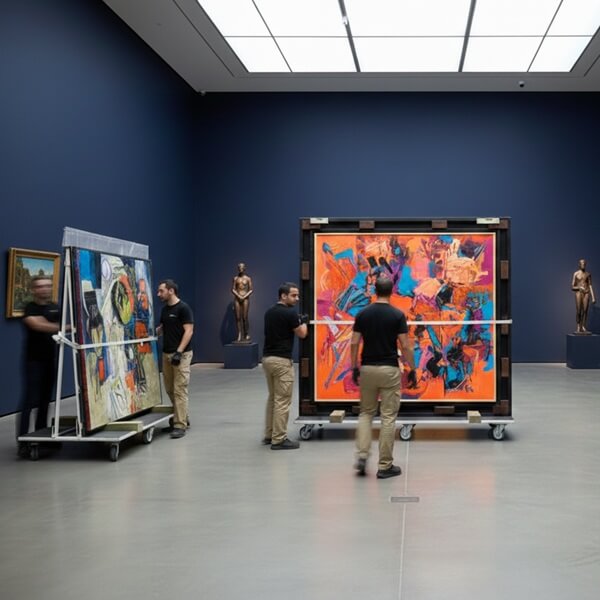
Art conservation is often pursued from passion rather than income. Understanding this helps organizations set realistic expectations when commissioning work.
Training routes include:
- Undergraduate programs like the University of Delaware’s Art Conservation major (the only U.S. undergraduate program taught exclusively by practicing conservators)
- Graduate programs requiring prerequisites in chemistry, studio art, and art history
- European apprenticeship models where emerging conservation professionals train under master restorers
Conservators develop interdisciplinary skills: microscopy, solvent testing on 19th-century paintings, understanding synthetic varnishes from the mid-20th century, and project management for multi-year campaigns. Many work on seasonal or project-based contracts, with fluctuating caseloads for private practice and competitive but stable roles in museums and universities.
For institutional clients, this means building relationships with qualified professionals and allowing adequate timelines for complex treatments.
What Art Conservators Actually Do: Common Treatments and Services
Conservation services are highly specialized and object-specific. Here’s what treatments typically involve:
Paintings Conservation
- Surface cleaning of darkened varnish on 19th-century portraits
- Consolidation of flaking paint on 1950s abstract expressionist works
- Structural repairs for torn canvas on 1980s corporate commissions
Sculptures and Artifacts
- Corrosion removal and patina stabilization on outdoor bronzes from the 1990s
- Treatment of carved stone from historic headquarters buildings
- Conservation of archaeological ceramics or ethnographic objects in university collections
Wall Paintings and Murals
- Stabilization of mid-20th-century frescoes in civic buildings
- In-situ consolidation of murals affected by water infiltration
Technical Services
- Condition reports with photo documentation for insurance and loans
- Scientific examination (X-radiography, UV fluorescence, pigment analysis) detecting overpaint or authenticity issues
Disaster Response
- Recovery protocols after sprinkler incidents damaging photography installations
- Collaboration with fine art insurers on loss assessment, using accurate records from systems like Onward
The Strategic Case for Conservation: Risk, Value, and Reputation
Conservation is risk management and value protection, not just an aesthetic service.
Consider these scenarios:
| Situation | Risk | Consequence |
|---|---|---|
| 700 works across 15 global offices | Undetected humidity fluctuations | Mold on paper works within 3–5 years |
| Loaned 1920s painting | Inadequate condition reporting | Complicated insurance claims after transit damage |
| Early blue-chip acquisitions from 1990s | Lack of provenance documentation | Reduced appraisal values by 20–50% |
Well-documented condition histories support formal appraisals and audits. Conservation projects that align with sustainable development goals—such as community access to restored public art—enhance reputation and ESG positioning. Systematic documentation enabled by platforms like Onward makes a compelling case to leadership. The same discipline applies to ownership history: rigorous art provenance research protects the appraisal values that thin documentation would otherwise erode.
Digital Transformation in Art Conservation: How Onward Supports Conservation Workflows
Traditional documentation—handwritten reports, scattered Excel files, disorganized image folders—creates risk. Centralized, cloud-based solutions change this.
Onward supports conservation through:
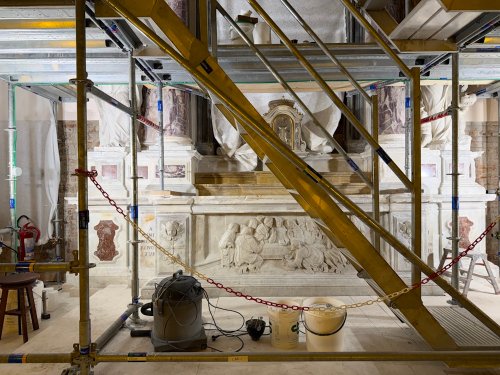
Inventory Management
- Centralized records across multiple cities with unique IDs, materials, dimensions, and linked conservator contacts
- Real-time location tracking (3rd floor conference room in Chicago, on loan to a partner museum, or in off-site storage)
Condition Monitoring
- Structured fields and photo uploads recording cracks, lifting veneer, or fading
- Chronological treatment reports (surface cleaning 2014, varnish removal 2022)
Insurance and Risk Management
- Integration of valuation data, policy details, and condition reports
- Reporting tools generating lists of high-risk works for preventive action
Loans and Virtual Exhibitions
- Loan tracking with departure/return condition checks
- Digital showcases featuring before/after images while originals remain secure
Organizations using Onward report faster access to conservation histories, fewer lost documents, and improved collaboration between facilities teams, curators, and external conservators.
Preventive Conservation: Everyday Practices That Make the Biggest Difference
Most damage is prevented, not reversed. Non-specialist staff play a critical role in daily care.
Environmental Controls
- Maintain relative humidity at 45–55% and temperature at 68–73°F
- Avoid hanging art above active radiators or in direct sunlight
- Use UV-filtered glazing for light-sensitive materials like paper and textiles
Handling and Display
- Support works with two hands; never touch painted surfaces
- Use gloves for metal or polished surfaces
- Document any relocations in your system
Maintenance Routines
- Conduct annual condition checks with photographs
- Establish clear escalation paths for facilities staff to flag issues
- Record observations in Onward for historical tracking
Small interventions—reframing with UV glass, adding window shades—reduce expensive treatment needs later.
Building a Conservation Strategy for Your Organization
Ad-hoc decisions lead to inconsistent outcomes. A structured strategy ensures defensible choices.
Key Components
- Inventory baseline: Confirm what you own, where it is, and basic condition in Onward
- Risk assessment: Identify high-risk environments (lobbies, outdoor installations) and vulnerable media (ancient artifacts, works on paper, early plastics)
- Prioritization criteria: Artistic significance, financial value, visibility, existing damage
- Multi-year budgets: Line items for preventive measures, condition surveys, and major treatments
- Governance: Clear roles for facilities, curatorial staff, finance, and legal
Onward’s dashboards track works requiring attention, upcoming loan-related checks, and trends over time—with exportable reports for CFOs and risk committees.

Case Snapshots: Conservation in Action
Multinational Law Firm After discovering light damage in one regional office, a firm with 1,000+ works used Onward to coordinate a 2024–2026 conservation review of all paper-based works, with centralized tracking of assessments and treatments.
University Medical Center A 1960s lobby tapestry required textiles conservation. Treatment stages and new mounting hardware were documented in the system, creating a permanent record for future generations.
Regional Bank Community sponsorship of a local museum’s 19th-century landscape painting restoration became an employee engagement opportunity, with digital exhibition tools sharing the conservation story.
Disaster Recovery When a 2022 burst pipe damaged a 2003 photographic series, pre-existing documentation in Onward enabled swift insurance claims and coordinated treatment by conservators.
Getting Started: Practical Next Steps for Your Organization
Effective art conservation starts with understanding your current state.
Starter Checklist
- Compile or verify a complete inventory with photographs and locations
- Identify priority works based on value, visibility, and observed risk
- Engage qualified conservators for assessments and urgent interventions
- Implement preventive measures (environmental adjustments, handling protocols)
- Centralize all data—images, treatment reports, loan records—in Onward
Overcoming Barriers
- Limited time and budget? Start with high-risk works
- Unclear ownership? Form a cross-functional working group (facilities, operations, curatorial, risk)
- Scattered records? Migration to a centralized platform pays dividends quickly
Ready to bring structure and transparency to your art conservation program? Learn more about Onward or request a demo to see how your team can centralize conservation records and workflows. Get started with Onward to protect your collection for the long term.
Conservation is ultimately about preserving cultural heritage for future generations while protecting organizational assets today. With the right tools, knowledge, and partnerships, your collection becomes a resource that endures—for your communities, your stakeholders, and the world.