
What Does an Art Consultant Do?
If your organization manages a corporate art collection—or you’re a private collector trying to navigate the contemporary art landscape—you’ve likely faced a familiar set of challenges. The art market reached $65 billion in 2022, and the sheer volume of options, fluctuating prices, provenance complexities, and logistical demands around shipping, insurance, and installation can quickly become overwhelming.
Art consultants exist to bridge the gap between the art world and real-world constraints like budgets, timelines, compliance, and brand alignment. They translate your vision into actionable strategies, whether you’re acquiring art for a new headquarters or managing art collections across multiple sites.
This guide covers both traditional art consulting—selection, curation, acquisition—and modern needs such as inventory management, digital archives, and reporting. Many consultants and their clients use platforms like Onward to centralize collection data, track loans, and document provenance.
What you’ll learn:
- How art consultants work and what distinguishes them from dealers
- Daily tasks and specialized roles within consulting firms
- Who hires consultants and why
- Fee structures and contract essentials
- How technology supports collection management
What Is an Art Consultant?
An art consultant is a fine art specialist who advises both private collectors and organizations on acquiring, curating, and managing art collections. They balance aesthetic considerations with financial realities, helping clients make informed decisions about artwork selection that aligns with brand identity, cultural goals, investment strategies, or employee wellness.
Most art consultants work as intermediaries between clients, contemporary artists, galleries, auction houses, and dealers. Unlike an art advisor focused primarily on investment portfolios or an art dealer selling from inventory, consultants maintain client-side neutrality—sourcing from multiple channels to avoid conflicts of interest. Many specialize in niches like corporate art programs for hospitals, public art, or family office collections.
For example, a consultant might help a multi-city financial services firm develop a cohesive art identity across offices in New York, Chicago, and San Francisco, selecting 50-100 works that reflect urban dynamism while staying within a $1-2 million budget per site.
Modern art consultants also manage digital aspects of collections—image rights, metadata, condition histories—often using collection management tools like Onward rather than scattered spreadsheets.
Core functions:
- Advise on artwork meets project goals
- Source through market research and art fairs
- Negotiate fair price and terms
- Manage logistics and final installation
- Report on collection analytics and values
Core Responsibilities of an Art Consultant
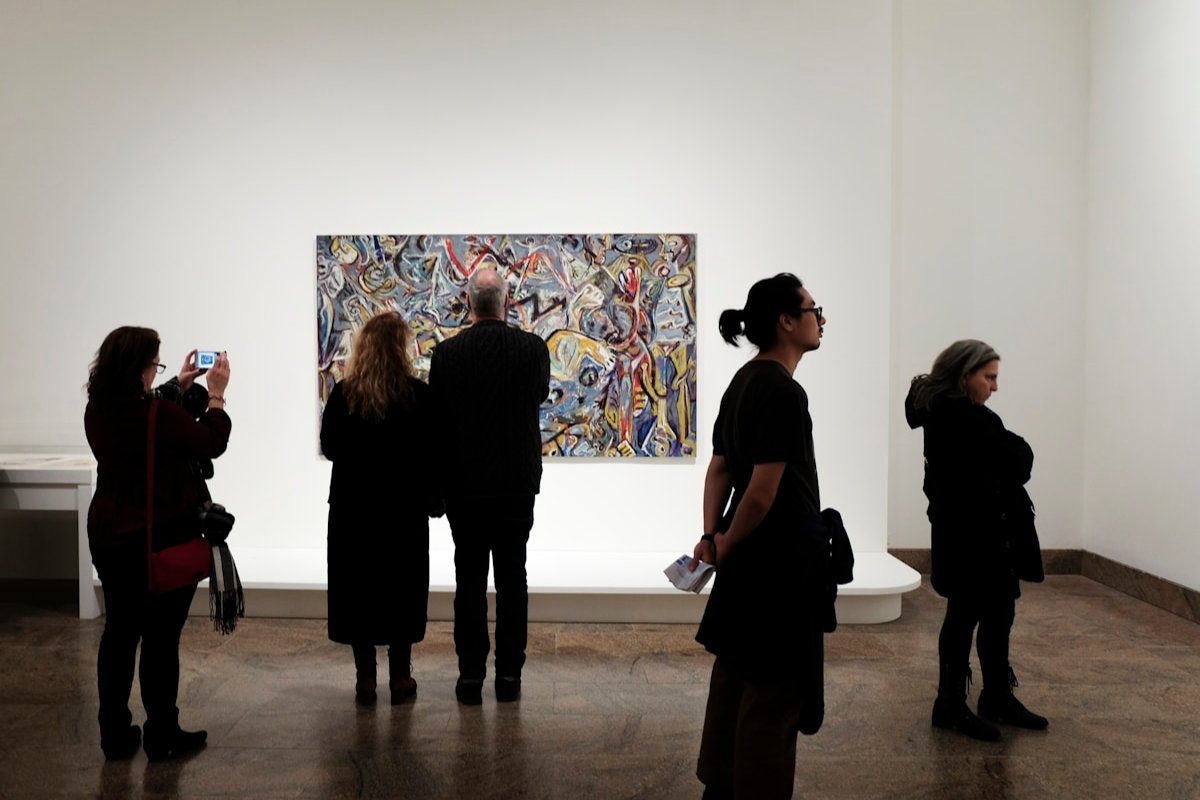
An art consultant acts as both creative partner and project manager, with responsibilities spanning vision, research, negotiation, logistics, and ongoing collection management.
Key responsibility areas:
- Client discovery: Initial meeting to map goals, client’s budget, constraints, and personal tastes
- Curation & concept development: Creating detailed proposal based on brand, architecture, and project’s objectives
- Market research & sourcing: Identifying emerging artists, international artists, and local artists through gallery visits, art fairs, and extensive database resources
- Budgeting & negotiation: Securing artwork at fair price, often achieving 10-20% savings through volume leverage
- Logistics & installation: Coordinating crating, insured transport, and display artwork safely
- Documentation & inventory: Recording dimensions, materials, provenance, and condition
- Ongoing strategy: Advising on rotations, deaccessions, and biennial appraisals
The exact task mix depends on client type. Corporate clients often prioritize brand cohesion and ROI, while healthcare systems focus on calming abstracts that improve patient outcomes.
Consider a 2025 headquarters relocation requiring a consultant to digitize a 300-piece collection, re-plan layouts for the new space, and update valuations—all while coordinating with facilities teams using systems like Onward.
Specialized Roles Within Art Consulting Firms
Larger art consultancy services operate like small agencies, with specialists owning different parts of the workflow. Solo practitioners often wear all hats, but firms handling multi-site projects valued at $10 million or more divide responsibilities for efficiency.
Common roles covered below: Creative Director, Commercial Director, Art Researcher, Senior Curator, and Project Director.
Creative Director: Shaping the Curatorial Vision
The Creative Director shapes the overarching curatorial vision, translating broad briefs like “reflect our 2026 sustainability strategy in our lobby art” into concrete concepts.
- Reviews and approves artist shortlists and mood boards
- Presents to C-suite stakeholders and board committees
- Ensures artistic integrity across all selections
- Requests structured collection data (artist diversity metrics, geographic distribution) often generated from tools like Onward
Commercial Director: Driving Sales and Partnerships
The Commercial Director oversees business development, building relationships with corporate real estate teams, interior designers, and property developers.
Collection managers often discover that Art Consultants becomes critical at this stage.
- Designs pricing models (flat fees vs. percentage of budget)
- Writes proposals responding to RFPs
- Manages key accounts and multi-year frameworks
- Example: securing a 2024-2028 healthcare art refresh program at $1.5 million annually
Art Researcher: Context, Content, and Emerging Talent
Art Researchers bring in depth knowledge of geographic, cultural, and art history context to each art consultancy project.
- Studies local scenes (e.g., Phoenix-area artists for a 2025 regional bank branch)
- Prepares artist dossiers with exhibition histories
- Ensures DEI by tracking representation across proposed rosters
- Outputs: annotated PDFs, image archives, spreadsheets forecasting trends
Senior Curator: Turning Ideas into Concrete Proposals
Senior Curators transform research into visual, site-specific proposals—the bridge between initial ideas and execution.
- Visits sites or uses 3D models to map installations
- Creates presentation decks with mockups for non-specialist decision-makers
- Coordinates with artists on scale, media, and feasibility
- Example: phasing a 200-work, 8-floor office fit-out (Phase 1: lobbies, Phase 2: corridors)
Project Director: Managing Production and Installation
The Project Director manages the entire process from contracts through final installation, ensuring exceptional art arrives on time and on budget.
- Schedules production milestones and coordinates contractors
- Ensures high quality artworks are documented with condition reports
- Feeds data into collection management tools like Onward
- Handles change orders when site conditions shift
Example: orchestrating weekend installation for a law firm to avoid disrupting weekday operations.
A Day in the Life of an Art Consultant
A typical weekday blends creative exploration with operational rigor:
- 9:00 AM — Walk construction site for a 5,000 sq ft lobby, photographing wall conditions and reviewing mockups
- 11:30 AM — Meet with contemporary artists to negotiate a bespoke artwork commission at 20% below list
- 2:00 PM — Client Zoom reviewing 10 artwork proposals against client’s expectations and budget
- 4:00 PM — Gallery negotiation for custom artwork acquisition
- 7:00 PM — Data entry: logging 50 photos into Onward with GPS-tagged locations
The balance typically runs 40% creative work (concepts, artist meetings) and 60% administrative (contracts, insurance, collection data). Mobile apps let consultants capture artwork photos on-site and update records immediately—cutting email chains significantly. Tracking it all on the go is simpler with a dedicated art collection app.

Add from PixabayUploador drag and drop an image hereClear alt text## Who Hires Art Consultants — And Why?
Art consultants work with a range of clients, each with distinct project goals:
- Private collectors: Ultra-high-net-worth individuals refreshing 100+ work homes, seeking expert advice on exceptional art
- Corporations: 40-story office towers (like Toronto completions in 2023) enhancing brand through 150 site-specific installations
- Healthcare systems: Children’s hospital wings using biophilic art to reduce patient anxiety
- Universities: Campus distributions across 20 buildings, emphasizing local artists quotas
- Hotels/developers: Rotating lobby programs for guest engagement
- Public agencies: DEI-compliant public art meeting 1% construction budget ordinances
Larger organizations need consultants comfortable with governance, compliance, and reporting—professionals who can work closely with internal systems like Onward for asset tracking.
Add from PixabayUploador drag and drop an image hereClear alt text## How Art Consultants Work With Collections Over Time
Beyond acquiring art, most art consultants support long-term collection management:
- Planning rotating exhibitions (bi-annually, $20,000-$100,000)
- Deaccessioning underperforming works and reinvesting proceeds
- Updating valuations every 2-3 years
- Advising on conservation priorities
Consultants help clients maintain accurate records of provenance, condition, locations, and insurance—increasingly through cloud-based platforms like Onward.
Example: A corporate collection started in the 1990s required systematic digitization by 2024. The consultant guided the entire process, creating dashboards showing distribution by building and medium to support better decisions.
Art Consultants vs. Art Dealers and Interior Designers
These roles often overlap but have distinct priorities:
- Art consultant vs. art dealer: Dealers sell from inventory (40-50% margins); consultants advise neutrally (5-20% fees), sourcing broadly from multiple galleries and new artists
- Art consultant vs. interior designer: Designers focus on overall space planning; consultants specialize in artwork selection, curation, and collection continuity
- Collaboration: On large projects, all three sometimes work together—designer plans layout, dealer supplies stock pieces, consultant curates bespoke artwork for cohesion
Fees, Contracts, and How Art Consultants Get Paid
Art consultants offer expertise through several fee structures:
- Percentage of artwork value: 5-20% (e.g., $30,000 on a $250,000 corporate program)
- Flat project fees: $50,000-$300,000 for defined project scope
- Hourly consulting: $250-$500
- Retainers: $20,000-$100,000/year for managing 500-work collections
Key contract elements to clarify:
- Scope of services and deliverables
- Timeline and approval process
- Confidentiality and NDAs
- Expense handling (travel, shipping capped at 5%)
- Digital collection setup fees (if implementing Onward)
How Consultants and Clients Use Technology Like Onward
Modern art consulting requires robust digital infrastructure. Gone are the days of tracking art buyers’ acquisitions on spreadsheets.
Consultants and corporate clients use Onward to:
- Catalog artworks with high-resolution images and metadata
- Track locations across multiple sites
- Log loans and rotations with e-signatures
- Attach condition reports and insurance documents
For distributed collections—a university with works in 20 buildings—a shared system keeps both consultant and facilities teams on the same page. Onward reduces spreadsheet errors, supports audit-ready reporting, and enables scenario planning for relocations.
Why Organizations Hire Art Consultants: Key Benefits
Engaging an art consultant delivers measurable outcomes:
- Time savings: Consultants handle 80% of sourcing vs. 200+ in-house hours
- Better cohesion: Themed programs boosting employee satisfaction 12-20%
- Risk mitigation: Provenance vetting avoids the 5-10% fakes in the market
- Negotiation leverage: Volume purchasing secures 10-20% savings
- ESG alignment: Sustainable media and diverse artist selection
- Structured documentation: Compliance with insurance and safety standards
Organizations using Onward alongside a consultant see consistent data across departments, easier reporting, and faster decision-making.

How to Work Effectively With an Art Consultant
Outcomes improve when clients treat consultants as strategic partners.
Preparation:
- Define objectives (brand enhancement, wellness, investment goals)
- Identify decision-makers to keep everyone on the same page
- Clarify budget and timeline upfront
- Gather existing collection data
Communication:
- Regular check-ins (bi-weekly recommended)
- Consolidated feedback from internal stakeholders
- Early flagging of constraints (security policies, wall types)
Organizations with 30-50+ works should implement a central system like Onward before or alongside engagement, so new pieces can be tracked from day one.
Pathways Into Art Consultancy
Many consultants come from backgrounds in art history, fine art practice, museums, or auction houses—often with a master’s degree. Professional experience at galleries or advisory firms between 2020-2026 increasingly required digital fluency, including collection management systems.
Essential skills:
- Strong visual literacy and extensive knowledge of the art market
- Writing and presentation abilities
- Negotiation and project management
- Comfort with databases and digital tools
- Deep passion for connecting clients with artists
Aspiring consultants build portfolios through mock curatorial projects and cultivate networks of artists, fabricators, and framers.
Getting Started: If Your Organization Is Considering an Art Consultant
It’s time to bring in a consultant when you’re building a new headquarters, undertaking major renovation, expanding or rationalizing an existing collection, or needing governance for inherited works.
Simple sequence:
- Audit current artworks and data quality
- Define project goals and constraints
- Shortlist consultants with relevant sector experience
- Prepare a clear brief with client’s budget parameters
- Decide how you’ll track the collection (consider Onward)
Think long-term stewardship, not one-off decoration—especially for organizations with multi-site portfolios or collections exceeding 100 works.
Ready to centralize and simplify how you manage your corporate art? Learn more about Onward or request a demo to see how it can support your work with an art consultant.