Table of Contents
What Do Art Curators Really Earn in 2026?
What Does an Art Curator Do (and Where Do They Work)?
Art Curator Salary by Experience Level
How Location and Employer Type Change Curator Pay
Education, Museum Studies, Skills, and How They Affect a Curator’s Salary
Museum Curator Salary vs Corporate & Private-Sector Curator Pay
Frequently Asked Questions
What Do Art Curators Really Earn in 2026?
If you work in art or manage collections, you know that curator salary data can be confusing – figures vary widely depending on the source, the role, and the employer. Today’s art curators work across museums, galleries, corporate collections, and university institutions, and their pay reflects that range. Median salaries for art curators in the United States range between $67,000 and $82,000, while the average annual salary for an art gallery curator is approximately $72,627. Art curator salaries can vary significantly by institution type and location, with experienced curators earning over $100,000 and curators at major institutions earning well over that amount. Curators in high-cost cities typically earn more due to higher living costs, and top-paying industries like information technology, financial services, and large cultural brands push compensation even higher. Museum curators often earn less than their peers managing private or corporate art collections, even with similar credentials in art history or museum studies. This article breaks down what you can expect by experience, location, employer type, and education.

What Does an Art Curator Do (and Where Do They Work)?
The term “art curator” covers multiple jobs: museum curator, gallery curator, corporate collection manager, and university collection specialist. Core duties include:
- Selecting artworks and planning exhibitions
- Managing incoming and outgoing loans
- Overseeing conservation priorities and building provenance documentation
- Working with donors, lenders, and community stakeholders
Some curators also oversee scientific specimens or mixed collections in smaller institutions. Work environments range from public museums and university museums to private foundations, auction houses, and corporate art collections. In enterprise settings, curators increasingly use art inventory management software like Onward to track locations, condition, insurance, and virtual exhibitions across multiple sites.
Art Curator Salary by Experience Level
Experience is one of the strongest predictors of a curator’s salary, alongside geography and institution type. Based on 2024 data, here is what workers at each career stage can expect:
| Career Stage | Years | Typical Range |
|---|---|---|
| Entry-level / Assistant Curator | 0–1 | $40,588 avg; curatorial assistants earn $45,000–$55,000 |
| Early Career / Associate | 1–4 | ~$49,937; up to mid-$60,000s in major metros |
| Mid-Career / Curator | 4–9 | $46,000–$54,000 at 4–6 yrs; $60,000–$80,000 by year 5–9 |
| Senior / Department Head | 10–19 | $80,000–$120,000 at well-funded institutions |
| Chief Curator / Director | 15+ | $116,000–$134,000, commonly, lead curators at major institutions earn $100,000–$150,000 |
Curators managing large collections or exhibitions typically earn more than $100,000. Experienced curators can earn up to $92,522 per year at mid-tier institutions, while those at prestigious institutions in major cities earn considerably more.
How Location and Employer Type Change Curator Pay
The same museum curator role can pay dramatically differently depending on the city and sector. Curators in major urban art hubs command higher wages than their counterparts in smaller markets.
- The average curator salary in New York is $97,090 per year. Curators in NY earn between $57,306 and $164,495, with a median total pay in NYC of $101,724. At the 90th percentile, curators in NYC can earn up to $171,723.
- Washington, D.C., San Francisco, and Los Angeles also pay 15–35% above national averages.
- Smaller regional museums and historic houses in non-metro areas often hold salaries in the $40,000–$60,000 range, even for experienced staff.
- Art curators at higher education institutions often have competitive salaries, typically ranging from $65,000 to $90,000. Curators in federal entities may earn between $80,000 and $125,000 or more, depending on tenure.
- Compensation for curators at major museums is often influenced by institutional funding and endowment size.
Education, Museum Studies, Skills, and How They Affect a Curator’s Salary
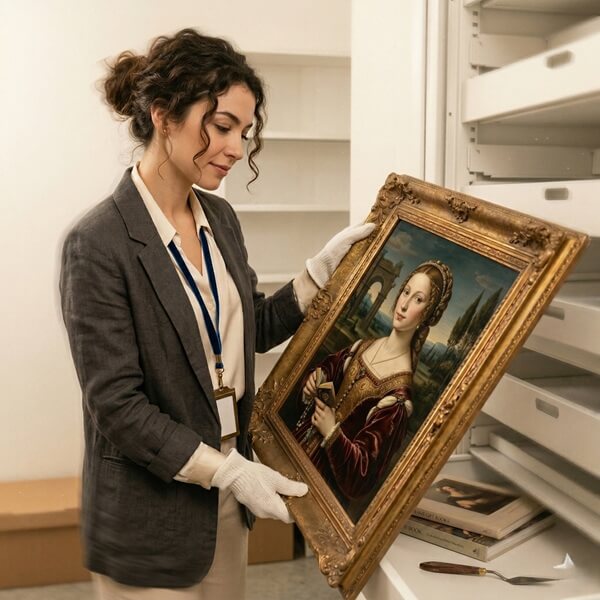
Most curators hold at least a master’s degree in art history, museum studies, anthropology, or a related field. Advanced degrees – particularly PhDs – can meaningfully influence salary ceilings. Academic curators with tenure may start around $90,000, with full professors making higher salaries. Curators specializing in high-demand areas such as contemporary global art or digital media may earn higher salaries.
Non-academic skills that signal you for higher pay include leadership, grant writing, fundraising, and experience with collection technology. Fluency in art valuation methods, art loan tracking, and platforms like Onward can qualify you for more complex, better-paid roles in the museum world and corporate sector.
Museum Curator Salary vs Corporate & Private-Sector Curator Pay
The divide between public museum and corporate curator pay continues to grow. Salaries at commercial or for-profit galleries can exceed those of nonprofit institutions for similar roles. The highest paying industry for curators is information technology, where the median total pay is $192,009. Specific employers illustrate this: Datasite pays curators an average of $163,000 per year, the American Museum offers an average salary of $143,167, and Zeta Global pays curators an average of $135,000 per year. MoMA is a top-paying company in Arts, Entertainment & Recreation. Corporate curators handle art evaluation, multi-site installations, insurance oversight, and brand-aligned acquisitions – responsibilities that justify the premium.
Strategies to Increase Your Art Curator Salary
- Gain experience at larger or better-funded institutions through fellowships to build a CV that opens higher-paying jobs
- Pursue targeted education – a design-focused certificate or arts administration credential can help you enter new pay bands
- Change employers strategically after 3–5 years, moving from regional museums to major-city or corporate roles
- Build specialization in high-demand areas to find roles worth exploring in industries beyond traditional museums
- Develop budget and team management skills based on time leading departments
- Use tools like Onward’s Art Log to quantify your collection’s performance with data, supporting salary negotiations
How Onward Helps Curators Demonstrate Value
If your organization manages corporate art, you’re expected to control risk and demonstrate strategic value. Onward centralizes inventory, provenance, insurance, location monitoring, and virtual exhibitions on a single platform. Curators use Onward’s collection analytics to report on total insured value, loan activity, and exhibition metrics – content that connects directly to leadership questions about ROI. Organizations using Onward report better visibility across multi-city collections, fewer undocumented works, and more efficient reporting for finance teams. Those are outcomes you can point to when hired for a role or seeking a raise.
Getting Started in Your Curatorial Career
The key salary drivers remain clear: experience, location, employer type, education level, and your ability to manage complex collections with modern tools. If you’re starting out, subscribe to field resources, pursue your master’s degree, and explore internships. Mid-career curators should consider sector or city changes to access top-paying industries. If you manage or plan to manage a corporate or institutional art collection, learn how Onward can centralize your data and strengthen your professional profile.
Ready to streamline your collection management? Request a demo or get started with Onward today.
Frequently Asked Questions
What is the average art curator salary in the United States?
The average art curator salary in the United States typically ranges between $67,000 and $82,000 annually, with the average for gallery curators around $72,627. Salaries vary significantly based on location, institution type, and experience.
How does experience level affect art curator salary?
Experience greatly influences curator salaries. Entry-level curators earn around $40,588 annually, early-career curators with 1–4 years experience earn about $49,937, mid-career curators with 4–9 years can make $46,000–$80,000, and senior or chief curators with 15+ years often earn between $116,000 and $134,000 or more.
Which locations offer the highest salaries for art curators?
Major urban art hubs like New York City, Washington D.C., San Francisco, and Los Angeles offer the highest salaries, with New York curators earning an average of $97,090 annually and top earners making up to $171,723.
How do salaries differ between museum curators and corporate curators?
Museum curators generally earn less than corporate or private-sector curators. Corporate curators often manage larger collections with responsibilities like insurance oversight and multi-site installations, leading to higher pay. For example, some corporate employers pay curators upwards of $135,000 to $163,000 annually.
What education or skills can increase an art curator’s salary?
Higher education, especially a master’s or doctorate in art history or museum studies, can increase salary potential. Specialized skills such as leadership, grant writing, art valuation, and proficiency with art inventory management software like Onward also contribute to higher earnings.