If your organization ships artwork between offices, to exhibitions, or across borders for client events, you already know that a single damaged piece can mean far more than a repair bill. Art shipping insurance is the specialized protection layer that stands between your collection and a costly, reputation-damaging loss. This guide walks you through what transit coverage actually includes, where gaps hide, how to choose the right policy, and how your documentation systems directly affect claims outcomes.
Table of Contents:
Why art shipping insurance matters now
What art shipping insurance actually covers
Key risks in art transport you must plan for
How to choose the right art transport insurance policy
Claims, documentation, and business continuity
How Onward helps you manage insurance for art shipping
FAQs about art shipping insurance
Why Art Shipping Insurance Matters Now
Picture this: your corporate collections team is sending a $250,000 painting from New York to a 2026 client event in London. The standard carrier offers “declared value” coverage based on weight, capping liability at a few dollars per pound. If the work is destroyed, the carrier might pay you $200. The gap between that figure and the painting’s market value is yours to absorb, along with legal fees, reputational damage, and the cost of a derailed event.
Art shipping insurance, sometimes called art transport insurance, is specialized insurance coverage designed for fine art and high value items while in transit. It is fundamentally different from general property insurance or standard homeowner’s policies, which usually exclude or limit coverage for art in transit. Loss during transit is the leading cause of art insurance claims, accounting for roughly half of all fine art insurance losses. Standard carrier insurance often underinsures high-value art.
This matters for many reasons beyond the balance sheet. Corporate collections, universities, hospitals, law firms, and public entities depend on artworks arriving intact for exhibitions, openings, and executive events. A single failure threatens relationships with lenders, artists, gallery owners, and donors, and disrupts business continuity. Getting shipping insurance right also intersects with inventory management, valuation accuracy, and documentation, areas where platforms like Onward’s corporate art management platform reduce risk and admin time.
What Art Shipping Insurance Actually Covers
Many organizations assume the shipper’s own insurance will handle everything. In reality, that coverage is minimal. Here is what dedicated art transport insurance typically includes, and where gaps appear.
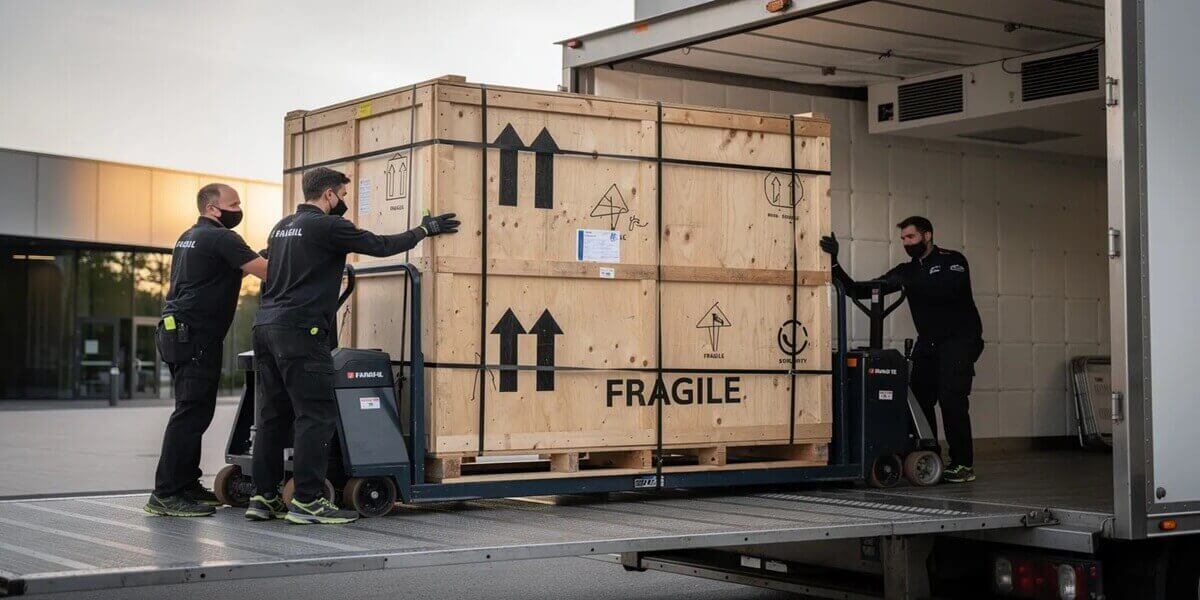
Core coverage. Policies protect against physical loss or damage during packing, transit, temporary storage, and delivery. Examples include impact damage from drops, vibration cracks, water damage from a burst pipe in a truck, theft from a loading dock, or loss during an airport transfer. Art transit coverage protects against damage during shipping, and art transport insurance can cover theft, damage, and loss across the full journey.
Policy structures differ significantly:
Type | What It Does | Best For |
|---|---|---|
Stand-alone art transport policy | Covers a single shipment or exhibition loan at declared value | One-off high-value moves |
Transit endorsement within fine art insurance | Extends your annual policy to include off-premises and transit legs | Organizations with frequent shipments |
Carrier “declared value” | Weight-based or low-cap coverage through FedEx, UPS, etc. | Low-value, non-fragile items only |
Transit limits define the maximum amount covered per shipment by the policy, and many policies impose sublimits for works over a certain value, such as $50,000 per item. Specialized art insurance provides nail to nail coverage for the entire shipping process. This nail to nail, or wall to wall, coverage starts when the object is removed from its location at origin, extends through all art shipping and interim storage, and continues to final installation and return.
Common exclusions include poor or non-professional packing, inherent vice or defects in materials, war and terrorism (unless endorsed), temperature and humidity breaches, and territorial restrictions on international shipments. Many policies exclude coverage for damage during transit caused by inherent defects. Insurers may have specific exclusions for improper packing and pre-existing damage. An all-risk policy covers most causes of loss unless specifically excluded, but you should review the exclusion list carefully. Note that some art insurance policies include coverage for items stored at home, but transit is a separate and critical exposure. Before moving any artwork, confirm whether art insurance covers artwork during transportation and storage, including packing, loading, interim storage, delivery, and installation.
You do not need to be an insurance expert, but you do need a clean inventory, current art valuations for corporate collections, and documented condition reports to confirm you have adequate coverage.
Key Risks in Art Transport You Must Plan For
Art does not stay put. Corporate collections travel between offices, to auction houses, art fairs with tight install windows, pop-up exhibitions, and partner institutions. Risk spikes every time a piece moves.
Physical damage. Scratches, frame breaks, canvas tears, and sculpture chips from handling and vibration are common. Proper packing reduces risks of damage during art transit. Professional packing and shipping by reputable handlers is often required for coverage. Use bubble wrap and sturdy boxes for protection. Wrap artwork in acid-free paper before bubble wrap. Use corner protectors for framed pieces during shipping. Securely pack artwork to prevent movement during transit.
Environmental damage. Humidity swings, temperature shocks, and UV exposure during long-haul or international art transport can crack, warp, or fade works. Climate-controlled shipping arrangements are essential for sensitive media.
Theft, misrouting, and loss. High value items attract attention. Complex logistics chains with multiple handoffs increase the chance of misrouting or mysterious disappearance, especially during customs inspections or interim storage.
Reputational and contractual risk. When borrowed works are harmed, relationships with lenders, artists, and donors suffer. For corporations, delays can derail product launches and client events.
Specific scenarios raising risk include traveling exhibitions visiting five to seven cities over 18 months, corporate loans to external venues, and government or public entity acquisitions moving through procurement, storage, and display.
Data risk is emerging. Shipment schedules, high-value item lists, and sensitive information stored in unsecured spreadsheets or email threads can be exploited by cybercriminals to plan theft. Many traditional insurance policies do not fully anticipate this exposure.
Document the condition of artwork before shipping. Pair art shipping insurance with operational controls: professional fine art shippers, standardized packing specs, formal outbound and inbound condition reports, and a clear chain of custody across facilities and external partners.
How to Choose the Right Art Transport Insurance Policy
Treat art shipping insurance as a strategic decision, not a last-minute add-on when a courier label is being printed. Your insurance broker, collections team, and legal counsel should collaborate well ahead of any shipment.
Evaluation checklist:
- Scope of coverage. Does the policy cover domestic and international transit? Single shipment or annual transit coverage? Does it include installation, deinstallation, and temporary storage? A clearly defined transit limit should match your collection’s exposure.
- Policy limits and sublimits. Check the total policy limit, per-item declared value, and whether there are caps for certain media. A defined transit limit should reflect the value of your highest-value works, including newly acquired pieces.
- Specialist insurer. Choose insurers or brokers who focus on the art world and fine art insurance, not general cargo or a collectibles insurance policy awkwardly adapted from homeowners forms.
Pricing drivers. Art insurance costs between 1% to 2% of artwork’s value annually. Shipping insurance rates vary based on destination and shipping method. Art transit insurance costs depend on fragility and travel duration. A fragile glass installation traveling from Chicago to Tokyo by air with climate-controlled trucking will cost more than framed prints moving between local offices. Several factors influence pricing: fragility, medium, packing method (museum crate vs. carton), distance, route risk, carrier type, and declared value. Shipping costs for insurance purposes are typically separate from premium.
Role clarity. Who arranges transit coverage? The lender, borrower, consignor, buyer, or a centralized corporate risk team? Spell this out in loan, consignment, and exhibition agreements before art leaves its current location. Insurance requirements should be documented, not assumed.
Regular appraisals help ensure insurance reflects the current market value of artworks. Agreed value policies ensure the full insured amount is paid in case of total loss, avoiding disputes over depreciation. Higher deductibles can reduce insurance premiums but increase out-of-pocket expenses, so weigh this carefully against your risk tolerance. Standard carrier insurance often underinsures high-value art items, which is why a recent appraisal and accurate location data from a collection management system help brokers structure appropriate limits and avoid chronic underinsurance.
Organizations managing large or distributed collections, across multi-city offices, hospitals, or universities, often benefit from an annual fine art insurance program with built-in transit coverage rather than one-off shipment insurance policies, especially when paired with features for insurance and loan tracking in a dedicated collection management platform.
Claims, Documentation, and Business Continuity
The quality of your records before a shipment directly affects how smoothly an insurance claim will go if something goes wrong. Proper documentation is essential for filing insurance claims, and claims processes can be more efficient with insurers experienced in fine art claims.
Pre-shipment documentation package:
- High-resolution images from multiple angles
- Detailed object records: title, artist, dimensions, materials, current valuation, ownership, provenance
- Signed condition report at origin
- Packing specifications and route details
This information should live in a centralized system, not scattered across PDFs and email threads.
When damage or loss is discovered:
- Take immediate photos of the damaged artwork and packing materials
- Create an updated inbound condition report
- Retain all packing materials and crates
- Notify the carrier and insurer promptly
- Log actions taken, people involved, and the chain of custody for insurance claims
For a more detailed response process, follow this step-by-step guide to filing a fine art insurance claim, including documentation, insurer notification, and damage assessment.
Transit damage is the leading cause of art insurance claims. Art insurance covers theft, damage, and loss during transit, but only if you can substantiate the claim with documentation. A delayed or damaged artwork can derail client events, exhibitions, or public programming. Having pre-approved alternates, clear escalation workflows, and accessible insurance documentation helps leadership act quickly for business continuity.
Many organizations struggle at renewal or during audits because they cannot report on artworks’ locations, movements, or prior damage. Clean movement histories and loan records simplify both underwriting and future insurance claims.
How Onward Helps You Manage Insurance for Art Shipping
Onward is an enterprise collection management platform built for organizations that manage fine art: corporations, universities, healthcare systems, financial institutions, law firms, family offices, and public entities. Onward is not an insurance carrier. It is the infrastructure layer that makes art shipping insurance more reliable and less labor-intensive.
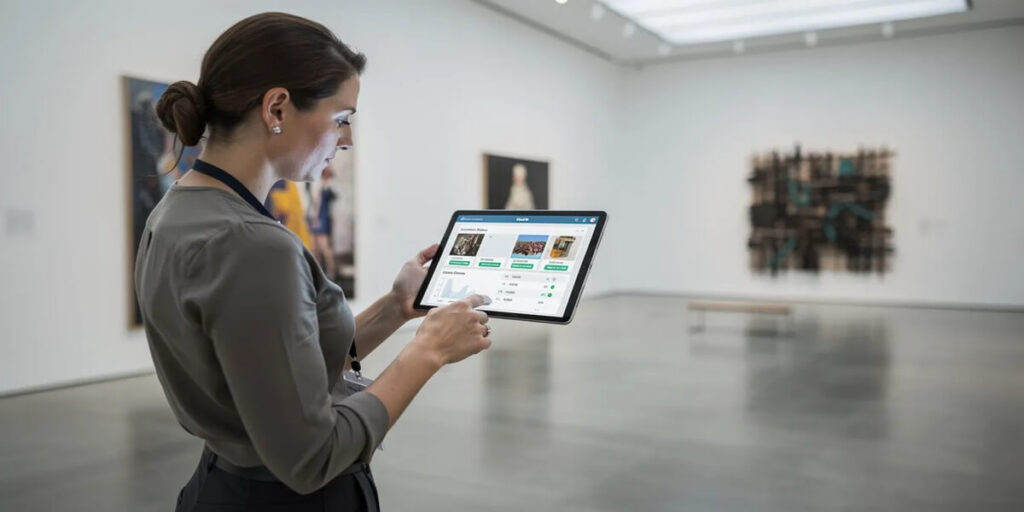
- Centralized inventory. Maintain up-to-date data for every artwork, including current location, loan status, images, provenance, and valuation, so you can quickly confirm what is moving and its insured value before arranging art transport insurance.
- Insurance document management. Store policy details and certificates per object or grouping. Attach coverage limits, deductibles, and renewal dates. Link loan agreements and consignment contracts that specify who is responsible for transit coverage.
- Condition and movement tracking. Create standardized outbound and inbound condition reports with photos. Log shipments, carriers, crate IDs, and route dates. Generate a movement history that supports art shipping insurance claims if damage occurs.
- Reporting for brokers and insurers. Quickly produce schedules, such as all works valued above $100,000 in transit in Q4 2026, or all objects on loan to external venues, reducing underwriting friction and the risk of missing high value items.
Organizations using Onward reduce time spent chasing spreadsheets and emails, improve accuracy in insurance submissions, and respond faster when something goes wrong in transit. Art transit insurance provides peace of mind during shipping, but only when your records and processes can back it up. A dedicated team using Onward is fully covered by documentation, not just by a policy number.
FAQs About Art Shipping Insurance
These FAQs address common questions your risk, facilities, or collections teams encounter when planning art shipping and insuring artwork in transit.
Is standard carrier insurance enough for fine art shipments?
No. Carrier “declared value” protection is typically weight-based or capped at a low dollar amount. For a $50,000 photograph or a $120,000 painting, this leaves you dramatically underinsured. Standard carrier insurance often underinsures high-value art. You need specialized fine art insurance or a dedicated art transport policy to protect objects at their true market value.
Who should insure artwork in transit-the lender, borrower, or shipper?
Responsibility varies by agreement. In loan situations, the borrower usually arranges and pays for transit coverage. In consignment or sale scenarios, the consignor or buyer may bear responsibility. For corporate loan-back arrangements, a centralized risk team often manages coverage. The answer must always be spelled out in writing before the artwork leaves its current location, covering who pays, who is loss payee, and who manages the claim.
How much does art shipping insurance typically cost?
For a standard domestic shipment, expect roughly 0.1% to 1% of insured value per move. International shipments, fragile objects, or complex risks involving multiple destinations push the cost higher. Security measures, packing quality, claims history, and route all influence pricing. Shipping artwork internationally through several countries will cost more than a local service move.
What information will insurers or brokers ask for before quoting coverage?
Expect to provide item descriptions, values based on a recent appraisal, high-resolution images, condition status, origins and destinations, dates, packing details, and shipper credentials. A system like Onward makes it easy to export this data in the formats brokers need, rather than assembling it manually from scattered files.
How do digital records help with insurance claims?
Thorough digital documentation, including photos, timestamps, condition reports, and movement logs, directly accelerates claims resolution. For example, when a sculpture was damaged during an interstate move, the organization’s timestamped pre-shipment photos and condition report enabled a clean claim settlement within weeks rather than months. Without those records, the insurer questioned whether damage was pre-existing. Galleries, museums, and corporate teams all benefit from this approach.
What’s the difference between fine art insurance and general property insurance?
General property insurance treats art as contents, often applying blanket limits and depreciation-based valuations that do not reflect market value. Fine art insurance uses agreed-value or appraised-value methods, covers complex risks like transit and exhibition, and includes specialized wording for perils unique to the art world. For collections above a certain value threshold, property insurance alone will not keep you fully covered. Insuring fine art requires a focus on specialized policies with appropriate territorial limits and per-item schedules.
While insurers and brokers provide coverage, your own systems and processes, including how you track inventory, movements, and condition, are what make that protection usable when it matters most. For broader context on treating art as a strategic business asset, your risk and collections teams can benefit from Onward’s corporate art management blog.
Why Choose Onward
Onward was built specifically for organizations that manage fine art collections, not adapted from museum software or gallery tools. Your security, reporting accuracy, and operational efficiency are the focus. Onward gives you centralized control over locations, valuations, loan records, condition reports, and insurance documentation, so your dedicated team can respond confidently whether you are shipping artwork across the country, preparing for art fairs, or managing traveling exhibitions across multiple venues.
Ready to bring clarity and control to your art shipping insurance process? Request a demo of Onward and see how centralized collection management simplifies transit coverage, strengthens claims outcomes, and protects the art that represents your organization.