Table of Contents
Introduction: Why the Right Art Conservator Matters
Where to Start Your Search for a Qualified Art Conservator
Evaluating Training, Experience, and Conservation Ethics
Structuring the Selection Process: RFPs, Quotes, and Site Visits
Working With a Conservator Long-Term (and How Onward Helps)
FAQs: Common Questions About Hiring an Art Conservator
Introduction: Why the Right Art Conservator with Art History Expertise Matters
Imagine a 1980s abstract painting in your company lobby-flaking paint, fading pigments-and a board meeting in eight weeks. You need someone who can stabilize it without destroying its value. But here’s the challenge: the person you hire matters enormously, and art conservation professionals are not universally regulated. In the U.S. in 2026, there is no required license, which means anyone can market themselves as a “restorer.”
The preferred professional term is art conservator-an individual trained in both art history and conservation science. Improper treatment can permanently damage artworks, weaken provenance, and reduce insurance value. This article is a practical guide for facilities directors, art program managers, and collection stewards to find, vet, and select a qualified conservator. If your organization manages a distributed collection tracked in a platform like Onward’s corporate art management platform, these steps apply whether you oversee five paintings or five hundred across multiple offices.
Where to Start Your Search for a Qualified Art Conservator in Private Practice
Begin with authoritative directories. The American Institute for Conservation sets industry standards and offers a Find a Conservator tool that lets you search by specialty, location, and member status. SERCA’s tool connects users with conservators by ZIP code-particularly useful in the Southeastern U.S. Conservation specialties are categorized by material type and service, so filter by what you actually own: paintings, works on paper, textiles, sculpture, architecture, photographs, or electronic media. Art on paper is a specific conservation specialty, and conservators can also specialize in archaeological objects and historic artifacts.
Cross-check anyone you find on a website or through colleagues against a professional body like the AIC. Listing is a screening step, not an endorsement. Conservators often work with local museums and galleries for referrals, so contact nearby institutions and university conservation departments for recommendations.
For dispersed collections, keep in mind that some firms travel 150 300 miles between sites. Build an initial list of 5 10 candidates matching your object types and budget band before formal evaluation.
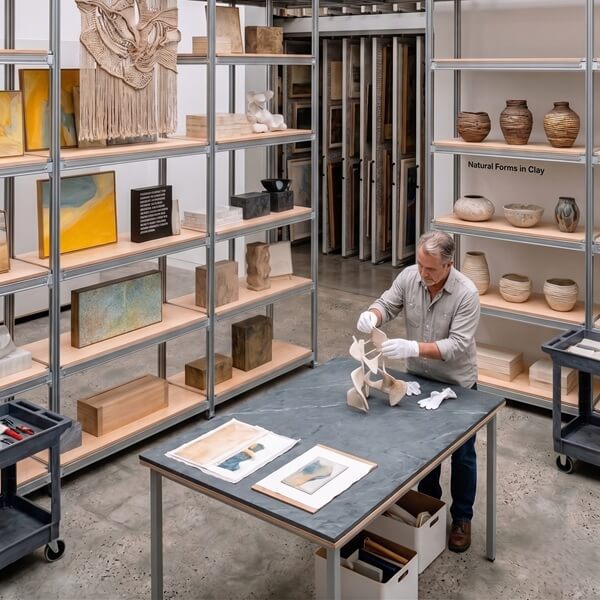
Evaluating Training, Experience, and Art Conservation Ethics
Formal education in art conservation is recommended for qualified conservators. Look for graduate degrees from recognized programs-Winterthur/University of Delaware, SUNY Buffalo State, or peers in Europe like University College London-plus internships, fellowships, and chemistry coursework. A professional conservator should have experience with similar artworks to yours, so request a CV showing hands-on bench work with the specific medium in your collection. Conservators must demonstrate training and experience to be qualified.
Professional affiliations with organizations like the AIC indicate credibility. Active participation in conservation associations-subscribing to newsletters, presenting at conferences, contributing to the community-can signify a conservator’s dedication. Professional conservators adhere to a strict Code of Ethics emphasizing reversible treatments and ethical standards. Ethical conservation prioritizes minimal intervention and preservation of original materials. The restoration process focuses on stabilizing the artwork rather than making it look new. Professional art restoration helps preserve artworks for future generations while respecting their original materials, history, and cultural value.
During a phone interview, ask these things:
- How do they document treatments and produce a condition report?
- How do they choose between restoration (visual reintegration) and conservation (stabilization)?
- Can they show 2 3 similar projects from past years with before/after photos and references, since requesting references helps evaluate a conservator’s qualifications?
Choosing a conservator involves checking their portfolio and client references. Conservators should explain their methods, the materials they use, and their knowledge of current conservation practices. Conservators use scientific methods to preserve artworks-expect them to describe testing protocols, not vague promises. A detailed condition report is essential before any restoration begins. Getting a second opinion on high-value artworks is advisable.
Red flags: reluctance to share a written treatment proposal, “like new” promises, or no interest in discussing reversibility. Understanding how to recognize bad art restoration can also help collection managers identify inappropriate treatments, irreversible changes, and warning signs before further damage occurs.
Structuring the Selection Process: RFPs, Quotes, and Site Visits
When your company has an ongoing art program, request conservation services through a concise RFP. RFPs help narrow down conservator candidates to 3 5. Your RFP should cover scope, deadlines, budget range, and reporting expectations. Request these elements:
- Condition assessment approach and treatment options with risks
- Conservation vs. restoration philosophy
- Itemized cost estimate, timeline, and any related reporting expectations for the proposed services
- Transport and handling plan
- Sample conservation reports
Qualified conservators will typically provide a cost estimate before beginning work. A qualified conservator should provide a written treatment proposal and documentation. Initial consultations are sometimes offered for free-be aware of this when setting expectations with your finance team.
Shortlist based on written responses, then hold 30 45 minute interviews to learn how clearly each person explains technical decisions. Schedule a site visit or virtual studio tour for higher-value collections to see environmental controls, security, and how they separate different materials. Conservators’ qualifications should be verified through references, so contact past clients and apply a simple scoring matrix covering credentials, track record, communication, and fit with your governance requirements. This makes it easy to select the right hire and justify the business case to your risk team.
Working With a Conservator Long-Term (and How Onward Helps)
Your organization benefits from building relationships with 1 3 trusted conservators who learn your collection, recurring issues, and display environments across every location. The typical workflow: initial condition assessments, written treatment proposals, approvals, on-site or in-studio work, final treatment reports, and long-term care recommendations. Conservators use scientific methods to stabilize and repair artworks throughout this cycle.
Documentation of the restoration process is important for future reference, provenance, and accurate art evaluation and valuation for corporate collections. Condition reports, high-resolution images, treatment histories, and updated values should all be covered in each object’s record-not scattered across email threads or fire-and-forget spreadsheets.
A collection management platform like Onward’s art collection management features supports this by letting your team:
- Log each conservation treatment as an event tied to the object
- Upload conservator reports and before/after photography
- Track location changes during treatment across sites
- Generate analytics on conservation costs by medium, artist, or building
Agree early on file formats, naming conventions, and photography standards so conservator documentation flows into your art inventory management system without manual rework. Set review cycles-annual condition checks for high-traffic lobby works, for example-with reminders managed centrally in Onward.
Investing in a qualified art conservator and disciplined documentation today preserves both the cultural and financial value of your collection for leadership, employees, and future stakeholders. Remember that the field of art conservation is small-roughly 3,300 professionals in the U.S.-so building lasting expertise partnerships gives your organization a meaningful edge.
Ready to centralize your conservation records and streamline your collection management? Explore more insights in Onward’s corporate art management blog and learn more about Onward.
FAQs: Common Questions About Hiring an Art Conservator
What qualifications should I look for in an art conservator?
Look for formal education in art conservation, such as graduate degrees from recognized programs, hands-on experience with your artwork type, and professional affiliations like membership in the American Institute for Conservation (AIC).
How can I verify a conservator’s credibility?
Check their portfolio, request references from past clients, confirm membership in professional bodies like the AIC, and inquire about their adherence to ethical standards and reversible treatment practices.
What is the difference between art conservation and restoration?
Conservation focuses on stabilizing and preserving the artwork with minimal intervention, while restoration may involve visual reintegration to improve appearance but should still follow ethical guidelines prioritizing the artwork’s integrity.
Should I get a second opinion before proceeding with restoration?
Yes, especially for high-value or historically significant artworks, obtaining a second opinion helps ensure the chosen treatment is appropriate and safe.
How do conservators document their work?
They produce detailed condition reports, before-and-after photographs, treatment proposals, and final reports that become part of the artwork’s provenance and collection records.
Can I expect a cost estimate before work begins?
Qualified conservators typically provide an itemized cost estimate and treatment plan before starting any work, sometimes offering initial consultations for free.
How do I know if a conservator specializes in my type of artwork?
Use specialty filters in directories like the AIC Find a Conservator tool or SERCA’s directory to find conservators experienced with your specific medium or object type.
What should I avoid when choosing a conservator?
Avoid conservators who promise “like new” results without discussing reversibility, refuse to provide written treatment proposals, or are unwilling to explain their methods and materials.