If you don’t plan the art for your hotel early, you are losing money. Since 2021, travelers want experiential stays, and hospitality art improves guest experiences in ways that boost RevPAR, social posts, online reviews. Properties like Hyatt Centric South Beach and Four Points by Sheraton in Georgetown, Guyana, show how hospitality art advisors help curated art collections stand out in a competitive hospitality market.
Art advisors aren’t interior decorators or art dealers. They bridge the gap between developers and artists, helping hotels share their brand story through targeted artwork. From shaping the initial vision to final installation, advisors manage every step of the project. Below, we walk through our curation framework, real-world examples, and how digital tools drive long-term value.
Table of Contents
What Hospitality Art Advisors Do
Our Approach: From Brand Story to Guest Experience
Key Pillars of Effective Hospitality Art Consulting
Examples: How Art Advisors Shape Hospitality Spaces
Choosing the Right Hospitality Art Consultant
FAQs
Why Art Management Matters for Hospitality Projects
Next Steps: Get Started with Hospitality Art Advisors
What Hospitality Art Advisors Do
Hiring an art advisor gives you a clear plan for your hotel’s art. These professionals work directly with architects and interior designers to make sure artworks fit the building’s physical spaces. They match the hotel’s style to create a complete story through art, from the front lobby to guest rooms.
Hospitality art advisors handle key details like artist contracts, budgets, and safe installation. They track costs, find cheaper options if prices rise, and choose durable pieces made for busy hotel spaces. Art is the final piece of the design puzzle, so planning early matters.
Main deliverables include:
- Design ideas and room floor plans
- Lists of suggested artists and artwork locations
- Building guides and final setup checklists
Our Approach: From Brand Story to Guest Experience
The work begins with reviewing brand standards, architectural plans, and local culture. Advisors workshop themes like “urban beach” or “Caribbean modern,” then build an art strategy that starts at schematic design. Then, they help create memorable guest experiences by turning spaces into stories, and use color theory and medium psychology to influence guest moods in hospitality spaces. Strategically placed art turns spaces into engaging environments that encourage exploration. For that reason, advisors work with owners, brand representatives, interior designers, and operations staff.
Key Pillars of Effective Hospitality Art Consulting
1. Brand-Aligned Curation and Guest Journey
Art consultants analyze brand guidelines – whether Hilton’s updated art direction or Marriott’s Autograph Collection positioning – and map the guest journey from porte cochère to spa. Art is key in shaping hotel design, and curation aligns it with the guest experience. Bold contemporary artists in a South Beach rooftop bar cue energy; quiet nature-inspired works in a Smoky Mountains resort corridor promote calm. Memorable art creates a sense of connection in the lobby, guest rooms, or corridors, and art installations encourage social media engagement. In addition, art can impress guests and turn them into repeat clients!
2. Sense of Place and Local Cultural Integration
Local artists enhance the authenticity of hotel art collections and help hotels express their brand identity. Sourcing from regional artists helps ground properties in their surrounding culture, whether that means Guyanese painters in a Georgetown lobby or folkloric references in a Puerto Rico resort. Moreover, art consultants collaborate with local artists for cultural authenticity while respecting IP rights and fair representation. Art can communicate the unique story of a property related to its culture and history, and local artists create authentic art experiences for hospitality venues. Art advisors help integrate local culture into hotel and restaurant experiences through curated collections, too.
3. Clear Operations, Durability, and Compliance
Clear processes make art projects run smoothly. Advisors choose durable materials, like coated prints and strong glass, that can handle daily wear and tear. Art management should align with brand standards and design vision, with budget structured per key, per zone, or per square foot. Improving the coordination among stakeholders in hotel projects reduces the risk of last-minute surprises.
4. End-to-End Project Management
Strong project management keeps hospitality projects on track. For this reason, advisors track milestones using Gantt charts, RFIs, and punchlists aligned with opening dates. Art inventory management is important for hospitality settings, and centralized digital tools for condition reporting and location tracking let owners oversee multi property rollouts remotely.
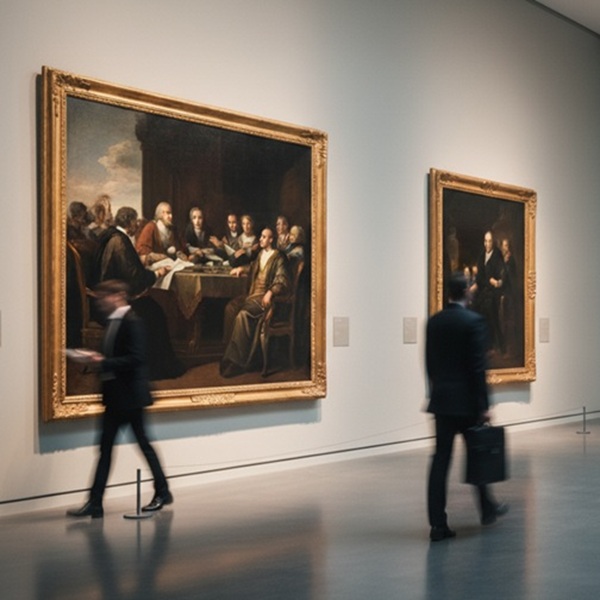
Examples: How Art Advisors Shape Hospitality Spaces
At an oceanfront property in South Beach, sleek photography and beach-inspired abstracts paired with art deco references created a setting guests actively share on social media. A midscale branded hotel refresh in Georgetown used bold regional artwork across a 172-room property to elevate perception and boost fresh marketing content.
Artists like Angela Cameron – whose hospitality work includes hotel brands such as Hilton – produce unique art tailored to each property’s concept. Angela Cameron’s art is customized for hotel design projects. Meanwhile, a mountainside resort incorporated nature photography, vintage travel posters, and locally made fiber art to deliver a memorable guest experience rooted in place. Successful art programs elevate a property’s perceived value and guest experience, and art selection impacts guest experience in hotels a lot.
Choosing the Right Hospitality Art Consultant
Evaluate consultants on hospitality-specific portfolios, how their work supports the décor, familiarity with hotel brands, project management capabilities, and comfort with developers. Ask about local artist engagement, IP clarity, and how they handle value engineering. Request sample art packages and references from comparable hospitality projects. Your consultant should deliver structured artwork metadata compatible with cloud-based art inventory systems.
FAQs
What is the difference between a hospitality art advisor and a general art consultant?
Hospitality art advisors specialize in hotels, resorts, and hospitality spaces, understanding brand standards, guest flow, durability, and opening-day deadlines. General art consultants typically focus on galleries or private residential collections without the operational complexity of hospitality interiors.
When should we bring a hospitality art consultant into a project?
Engage during concept or schematic design: 18–24 months before opening for new builds, 9–12 months for renovations. Later engagement limits options for commissioned work and bespoke large-scale pieces.
How much does a hospitality art program typically cost?
Luxury properties spend approximately $4,500–$9,200 per key; upper midscale runs $800–$2,200. Intimate boutique hotels often budget $25,000–$100,000 total. Advisors help concentrate spend on iconic lobby moments or F&B zones for maximum ROI.
Can we use existing artwork from our corporate collection in a hotel?
Yes, but hospitality art consultants must assess condition, scale, and relevance. A digital art inventory system makes it easier to identify suitable works and manage loans between corporate offices and hospitality projects.
How do hospitality art advisors work with local artists?
Through open calls, gallery partnerships, and studio visits. Transparent contracts address reproduction rights, edition sizes, crediting, and long-term use so both client and artist are protected. Local artists provide authentic cultural integration in hotels.
What happens after the hotel opens-who maintains the art collection?
Responsibility shifts to operations teams, guided by care manuals and digital collection records. Cloud-based art collection software supports condition checks, insurance values, and location updates across properties, and ongoing guides on strategic art management help teams treat art as a long-term business asset.
Can hospitality art programs be updated over time without replacing everything?
Advisors plan flex zones where rotating works or seasonal paintings refresh the space while signature commissions and murals remain constant. Hospitality art is a living asset that evolves with rebrands and guest feedback.
Why Art Management Matters for Hospitality Projects
The value of art does not end on opening day. Tracking locations when rooms are reconfigured, updating insurance values, and documenting provenance protects both guest impact and asset value. Secure cloud storage helps large hospitality portfolios see all assets across properties in one place.
Establishing clear governance policies for art assets ensures well-documented collections support marketing content, cultural partnerships, and future brand conversions. Plan for long-term management during the initial consulting phase by building data, images, and documentation into every project handover.
Next Steps: Get Started with Hospitality Art Advisors
Hospitality art consultants turn brand stories and architectural plans into a memorable guest experience. The first thing you need to do is clarify your project scope and opening timeline, get brand standards and floor plans, and prepare a preliminary art budget tied to your FF&E spend.
Hospitality art is an investment that can differentiate your property in crowded markets like South Beach, Las Vegas, or any resort corridor! Reach out to a hospitality art advisor to discuss your next hotel or resort project. A tailored art program built on expertise can deliver the atmosphere, culture, and creative ideas your guests remember long after checkout.
Ready to simplify how you manage your corporate art? Onward’s art management platform makes it easy to track pieces, stay organized, and protect your investments. Visit artonward.com to request a demo and see how it works.