Table of Contents
- The Strategic Power of Office Art: Beyond Decoration
- Selecting Office Art: Curating a Thoughtful Collection for Impact
- Art for Different Office Spaces: Strategic Placement Principles
- Practical Considerations: Framing, Lighting, and Presentation Techniques
- Office Art Installation and Logistics Management
- Maintaining Your Office Art Collection and Measuring Success
As a corporate art manager, you’re tasked with transforming sterile walls into inspiring canvases. But where do you even begin when faced with selecting office art, managing office art installation, and ensuring the art for different office spaces truly resonates? How do you move beyond simple decoration to create a truly impactful environment that aligns with your company culture, boosts morale, and leaves a lasting impression?
This guide cuts through the aesthetic theory to offer practical, actionable advice on curating, implementing, and maintaining an art collection that elevates your workspace. My goal is to equip you with the knowledge to select, place, and manage art specifically for your diverse office environments, maximizing both aesthetic appeal and cultural impact. The single most important message you’ll take away is this: thoughtfully selected and placed office art transforms workspaces, fostering a more engaging, productive, and brand-aligned environment for employees and visitors alike. Let’s explore how to make your office art program a strategic asset.
The Strategic Power of Office Art: Beyond Decoration
In the modern workplace, office art is far more than just something pleasant to look at. It’s a strategic tool that influences perception, culture, and performance. Neglecting your office aesthetics means missing a crucial opportunity to shape the experience of everyone who steps through your doors.
Why Art Matters in the Modern Workplace
Think about the spaces where you feel most creative, comfortable, and focused. Often, these environments are thoughtfully designed, and visual elements play a significant role. Art introduces color, texture, narrative, and humanity into the built environment. In an era where talent retention and workplace well-being are paramount, creating an office that feels vibrant and cared for is essential. Art combats the anonymity of generic spaces and provides visual anchors that can make a large office feel more navigable and welcoming.
Art as a Reflection of Brand Identity and Company Culture
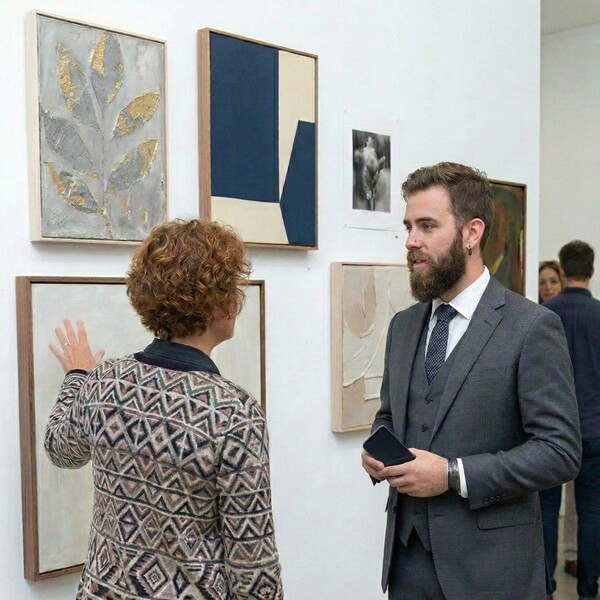
Your corporate culture and brand identity are intangible assets, but they need tangible expression. Office art provides a powerful visual language to communicate these values. Is your company innovative and forward-thinking? Perhaps bold, contemporary pieces or digital art installations would fit. Is stability and tradition key? Classic landscapes or figurative works might be more appropriate. Art in the lobby, conference rooms, and even individual workspaces can subtly reinforce your mission and values to employees and visitors. It tells a story about who you are as an organization.
The Psychological Impact: Enhancing Employee Well-being, Morale, and Productivity
The impact of visual stimuli on human psychology is well-documented. Art can reduce stress, stimulate creativity, improve focus, and even boost mood. A vibrant piece in a breakroom can encourage conversation and relaxation, while a calming landscape in a quiet zone might aid concentration. Exposure to nature-themed art has been shown to reduce stress levels. By strategically placing art, you are actively contributing to employee well-being, which in turn, can lead to higher morale and increased productivity. It’s an investment in the human capital of your organization.
Creating a Welcoming and Memorable Environment for Visitors and Clients
First impressions are critical in business. What does your reception area say about your company? A thoughtfully curated art collection immediately elevates the perception of professionalism, sophistication, and creativity. Art can serve as a conversation starter, break the ice during client visits, and make your office a memorable destination. Consider the experience of a potential client walking through your office for the first time – the art they see contributes significantly to the overall impression they form of your brand.
Selecting Office Art: Curating a Thoughtful Collection for Impact
Selecting office art is a deliberate process, not just an exercise in decoration. It requires careful planning and consideration to build a collection that serves multiple purposes and resonates with its diverse audience.
Defining Clear Objectives and Budget for Your Art Program
Before you acquire a single piece, clarify the goals of your office art program. Are you aiming to reflect company culture? Support local artists? Enhance employee well-being? Stimulate creativity? A combination? Your objectives will guide every decision, from the style of art you choose to the allocation of your budget. Define a realistic budget that accounts not just for acquisition, but also for framing, installation, lighting, and ongoing maintenance. Understanding these parameters upfront prevents costly surprises down the line.
Understanding Your Audience: Curating for Diverse Employee Tastes and Visitor Impressions
An office is a melting pot of individuals with varied backgrounds, tastes, and perspectives. While you can’t please everyone with every piece, your collection should aim for broad appeal while avoiding anything potentially controversial or alienating. Consider the demographic of your workforce and your typical visitors. What kind of art might spark conversation? What might be too challenging? Balancing diverse artistic styles and themes ensures there is something for everyone to connect with, while maintaining a cohesive overall feel that aligns with your brand. Visitor impressions often require a slightly more formal or universally appealing approach in key areas like the lobby.
Considering Departmental Needs and Aesthetics (e.g., stimulating art for creative teams, calming art for focused work)
Different departments have different needs and work styles. The art in a high-energy creative department might feature bold colors and abstract forms to stimulate imagination, while a finance or legal team might benefit from more calming, perhaps nature-themed or contemplative art to support focus and concentration.
- Creative Departments: Consider vibrant, dynamic pieces, perhaps street art inspired works, or abstract pieces that encourage out-of-the-box thinking. Photography that captures energy or unexpected perspectives can also work well.
- Focused Work Areas (Finance, Legal, etc.): Calm landscapes, abstract art with soothing color palettes, or figurative works depicting peaceful scenes can help reduce stress and aid concentration. Avoid anything too distracting or visually chaotic.
- Sales and Marketing: Art that evokes success, connection, or aspiration can be fitting. Pieces that reflect the company’s industry or target audience can also be relevant.
- HR and Administration: Art that feels welcoming, approachable, and inclusive is ideal. Community-focused themes or art by local artists can resonate here.
Tailoring the art to the function and atmosphere of each departmental space enhances its effectiveness and demonstrates a deeper understanding of the workplace environment.
Choosing Art Types and Mediums Suitable for the Office
The medium and type of art you select impact not only the aesthetic but also practical considerations like durability, maintenance, and safety.
- Paintings (Oils, Acrylics, Watercolors): Offer rich color and texture. Oils and acrylics are generally durable, while watercolors need careful framing behind glass for protection. Consider the style – abstract, landscape, portraiture, etc.
- Photography (Fine Art, Documentary, Abstract): Can be highly versatile, offering realistic imagery or abstract compositions. Needs appropriate framing and protection from UV light. Scale is important; large format prints can make a dramatic impact.
- Prints and Multiples (Limited Editions, Posters): A more accessible option for building a large collection. Limited edition prints by established artists offer a balance of quality and value. Posters are budget-friendly but should be used judiciously, perhaps in less formal areas. Quality paper and printing are key.
- Sculpture and Three-Dimensional Art: Adds depth and dimension to a space. Can be placed on pedestals, tables, or mounted on walls. Safety is a primary concern – ensure pieces are stable and placed where they won’t be easily damaged or cause obstruction. Consider materials that are durable and easy to clean.
- Textile Art and Wall Hangings: Introduce texture and warmth. Can also have acoustic benefits, helping to absorb sound in noisy areas like open plan offices or breakrooms. Ensure materials are fire-retardant and easy to clean.
- Digital Art and Video Installations: Offers dynamic, contemporary options. Can be programmed to change or display different pieces. Requires technical setup (screens, players, power) and ongoing maintenance. Can be very engaging but also potentially distracting if not managed carefully.
When considering mediums, think about the environment. High-traffic areas or breakrooms might benefit from more durable options, while private offices or formal meeting rooms can accommodate more delicate pieces.
Factoring in Size, Scale, and Proportion Relative to the Space
Art that is too small for a large wall gets lost; art that is too large can overwhelm a small space. Size, scale, and proportion are critical.
- Large Walls: Can handle significant statement pieces or a curated grouping of smaller works (gallery wall).
- Behind Furniture (e.g., Sofa in a lounge, Credenza in an office): The bottom of the artwork or grouping should typically be about 6-8 inches above the furniture.
- Open Walls: The center of the artwork should ideally be at average eye level (approximately 58-60 inches from the floor).
- Hallways: Consider the width of the hallway and the distance from which the art will be viewed. Sequential pieces can create rhythm and interest.
Visualizing the art in the space before acquisition is crucial. Use mock-ups or even printed-to-scale images to test how a piece will look on a particular wall. An experienced art consultant can be invaluable in assessing scale and placement.
Acquisition Methods: Purchasing, Leasing, or Commissioning
You have several options for acquiring office art, each with its own benefits and drawbacks.
- Purchasing: Offers full ownership and the potential for the art’s value to appreciate over time. Requires a significant upfront investment. Building a diverse purchased collection takes time and careful curation.
- Leasing: Provides flexibility to rotate the collection periodically, keeping the office environment fresh. Often more budget-friendly in the short term. Useful for testing different styles or featuring temporary exhibitions. You don’t build equity in the collection, however.
- Commissioning: Allows you to acquire a unique piece specifically tailored to your space, brand, or message. A powerful way to tell a story and support local artists. Requires a clear brief and close collaboration with the artist. Can be more expensive and involves managing the creative process.
Many organizations use a combination of these methods to build a dynamic and evolving corporate art collection.
Art for Different Office Spaces: Strategic Placement Principles
Effective placement is just as important as the art itself. The right piece in the wrong place loses its impact; the wrong piece in the right place can be jarring. Strategic placement enhances the viewing experience and maximizes the art’s intended effect in each specific office zone.
Fundamental Principles of Placement: Visibility, Flow, and Context
When placing art, consider:
- Visibility: Is the art easily seen from key vantage points? Is it at a comfortable viewing height? Avoid placing art where it will be constantly obstructed.
- Flow: How does the art guide the eye through the space? Does it enhance the natural movement or create a bottleneck? Art can define pathways or signal a change in zone.
- Context: Does the art relate to the function or atmosphere of the space? Is it appropriate for the level of formality or informality? Art in a quiet focus room should feel different from art in a bustling breakroom.
Always step back and view the space holistically after placing a piece to ensure it feels integrated and balanced.
Considering Lighting and Wall Space Availability in Each Zone
Lighting is arguably the most critical factor in showcasing art effectively. Before placing art, assess the existing light sources.
A question worth asking is how luxury hotel: warhol in a public, unattended room changes the calculus here.
That said, none of this works in isolation—Art Storage fills an important gap.
A closer look at exploring art transformation: how technology is changing art reveals just how interconnected these issues are.
Teams that get this right tend to invest in Art Handler early on.
What often gets missed in this conversation is the role of Art Restoration.
Most organisations that scale successfully have already addressed art installation.
The natural next question is how office art ideas fits into the equation.
For organisations managing large portfolios, corporate office artwork is a natural extension of this work.
Nowhere is this more apparent than in art collection app.
The challenge intensifies for multi-city companies that must coordinate art logistics, condition reporting, and installation scheduling across regions.
Institutions such as government entities and public facilities benefit from centralised systems that track artwork across departments, locations, and administrative changes.
- Natural Light: Can be wonderful, but direct sunlight can damage artwork over time. Protect pieces from harsh UV rays with museum glass or placement away from direct sun exposure.
- Ambient Light: General room lighting (overhead fixtures) is usually insufficient to highlight art.
- Available Wall Space: Don’t force a piece into a space that’s too small or too crowded with other elements (like signage or monitors).
Planning for supplementary lighting (which we’ll cover in detail later) during the placement stage ensures your art collection truly shines.
Art for the Lobby and Reception Area
This is your front line – the first visual statement visitors make about your company.
- Making a Strong First Impression: The art here should be impactful, high-quality, and reflective of your brand’s core identity. It sets the tone for the entire visitor experience.
- Selecting Statement Pieces: Consider one or two significant pieces that draw the eye and encourage contemplation. These should be memorable and spark curiosity.
- Ensuring Alignment with Brand Aesthetics: The style, color palette, and subject matter should align seamlessly with your company’s visual branding and the overall interior design of the space. For example, a tech company might opt for abstract or digital art, while a heritage brand might choose classic or sophisticated contemporary pieces.
Hypothetical Scenario: Imagine a visitor entering the sleek, modern lobby of a design firm. Instead of bare walls, they are greeted by a large, vibrant abstract painting that incorporates the firm’s brand colors and features dynamic lines, immediately conveying creativity and innovation. This piece doesn’t just fill wall space; it communicates the firm’s ethos the moment someone arrives.
Art for Conference Rooms and Meeting Spaces
In meeting rooms can subtly influence the dynamics of discussion and provide visual interest during pauses.
- Choosing Art that Facilitates or Enhances Discussion (or provides a calming backdrop): Abstract art can encourage open interpretation and creative thinking. Landscapes or calm scenes can provide a relaxing backdrop for intense discussions. Avoid anything too complex, controversial, or distracting.
- Considerations for Video Conferencing Backgrounds: With the rise of remote work, the art visible in video conferencing backgrounds is now part of your corporate image. Ensure any visible art is professional, non-distracting, and aligns with the desired impression. Simple, sophisticated pieces often work best.
- Scale and Placement Relative to Tables and Technology: Art should be placed at a height that is comfortable to view from a seated position. Ensure it doesn’t compete with or obstruct whiteboards, screens, or projection areas. Large horizontal pieces can work well over credenzas or opposite the main screen wall.
Art for Private Offices and Executive Areas
While allowing for some level of personal preference, art in private offices should still generally adhere to overall corporate guidelines and contribute to a professional atmosphere.
- Balancing Personal Preference and Corporate Guidelines: Employees should have some input on the art in their private space, but final selection should ensure the pieces align with the company’s standards for appropriateness and aesthetic quality. This prevents highly personal or potentially inappropriate art from appearing in client-facing areas.
- Creating a Professional yet Inviting Atmosphere: Art can make a private office feel less sterile and more personal, fostering comfort for both the occupant and their guests. The choice of art can reflect the occupant’s role or the function of the office (e.g., a CEO might have art reflecting global themes).
Art for Open Plan Workspaces
Integrating art into open plan areas presents unique challenges and opportunities.
- Using Art to Define Zones and Provide Visual Interest: Large artworks or groupings can help break up vast open spaces, subtly defining different work zones (e.g., collaborative areas, quiet focus zones) without needing physical barriers. They provide visual relief and orientation points.
- Addressing Acoustic Properties if Applicable: Textile art or other soft wall hangings can contribute to acoustic dampening, a valuable benefit in often-noisy open plans.
- Selecting Art that Appeals Broadly or Stimulates Creativity: Given the large number of people sharing the space, the art here often needs to have broad appeal. Abstract or landscape art that evokes positive emotions or encourages introspection tends to work well. Consider themes related to nature, geometry, or harmonious color palettes.
Art for Breakrooms and Employee Lounges
These are spaces designed for respite, relaxation, and informal interaction. The art should reflect this purpose.
- Creating Relaxing and Uplifting Environments: Choose art that is cheerful, colorful, and positive. Themes related to food, community, nature, or leisure can be appropriate. Humor can also be used sparingly and appropriately.
- Themes that Encourage Conversation or Respite: Art that tells a story, features interesting details, or depicts engaging scenes can serve as conversation starters. Alternatively, calm, peaceful images can offer a visual escape and aid relaxation during breaks.
Hypothetical Scenario: Consider the breakroom in a busy call center. Instead of generic prints, the walls feature vibrant, large-format photography of stunning natural landscapes. This offers employees a momentary visual escape during their breaks, reducing stress and creating a more pleasant atmosphere than the high-pressure work floor.
Art for Hallways, Corridors, and Stairwells
These transitional spaces are often overlooked but offer opportunities to engage people as they move through the building.
- Adding Interest to Transitional Spaces: Art prevents hallways from feeling monotonous or purely functional. It can provide moments of visual delight during daily commutes within the office.
- Using Sequential Art or Thematic Groupings: A series of related pieces, such as a collection of photographs by the same artist or works around a specific theme (e.g., cityscapes, abstract studies in color), can create a narrative flow along a corridor. Stairwells can feature art that engages the eye as people ascend or descend.
Practical Considerations: Framing, Lighting, and Presentation Techniques
Once you’ve selected your office art, the practicalities of presenting it correctly are paramount. The right framing and lighting can elevate even a modest piece, while poor presentation can diminish the impact of significant artwork. This is where the rubber meets the road for a corporate art manager.
The Critical Role of Framing
Framing is not just about aesthetics; it’s about preservation, presentation, and security.
- Protecting Artwork from Damage and Environmental Factors: The frame, matting, and glazing (glass or acrylic) protect the artwork from dust, dirt, pollutants, and physical damage. Using archival-quality, acid-free materials is essential to prevent the mat or backing from yellowing or degrading the art over time. UV-filtering glass or acrylic is crucial to protect pieces from fading caused by natural or artificial light exposure.
- Enhancing the Artwork’s Aesthetic Appeal: The frame is the transition between the art and the wall. It should complement the artwork’s style and color palette without overpowering it. A well-chosen frame enhances the viewing experience and makes the piece feel complete and professional.
- Choosing Appropriate Frame Materials, Styles, and Matting for an Office Setting: Metal frames (like aluminum) are often durable and have a clean, modern look suitable for many contemporary offices. Wood frames offer warmth but should be chosen carefully for style and finish. Simple, clean-lined frames tend to work best in corporate settings, avoiding overly ornate or distracting designs. Matting provides crucial breathing space around the artwork and can draw attention to specific colors within the piece. White or off-white archival mats are classic and versatile.
- Security and Anti-Theft Framing Options: In public or semi-public office areas, security is a concern. Artwork can be secured to the wall using anti-theft hardware that requires special tools to remove. The artwork can also be secured within the frame itself. Heavy-duty wire or cleat systems are more secure than simple nails or hooks.
Hypothetical Scenario: Consider a collection of valuable vintage posters for the marketing department. Framing them correctly with UV-filtering, anti-glare museum glass and secure, archival matting not only preserves the posters for years to come but also presents them professionally and protects them from accidental damage or theft in a high-traffic area.
Effective Art Lighting Strategies
Lighting brings art to life, revealing details, colors, and textures. Poor lighting can leave art looking flat or create distracting glare.
- Highlighting Artwork Without Causing Damage: Lighting should illuminate the art evenly without generating excessive heat or harmful UV radiation (though UV-filtering framing helps mitigate this). LED lights are ideal as they are energy-efficient, produce minimal heat, and many offer excellent color rendering.
- Types of Lighting: Track Lighting, Picture Lights, Accent Spots:
- Track Lighting: Offers flexibility, allowing you to position multiple lights along a track to illuminate several pieces or a larger work. Can be adjusted as the collection changes.
- Picture Lights: Small, dedicated lights mounted directly to the frame or the wall above the artwork. Provide focused illumination but need to be sized appropriately for the piece and positioned to avoid glare.
- Accent Spots (Recessed or Surface Mount): Lights directed specifically at an artwork from the ceiling or an adjacent wall. Offer clean aesthetics but require precise aiming during installation.
- Considering Light Temperature and Color Rendering Index (CRI):
- Light Temperature: Measured in Kelvin (K). Lower temperatures (e.g., 2700K-3000K) produce warm, yellowish light, similar to incandescent bulbs, which can be good for traditional or warm-toned art. Higher temperatures (e.g., 4000K-5000K) produce cooler, whiter light, often preferred for modern offices and contemporary art.
- Color Rendering Index (CRI): A measure of how accurately a light source reveals the true colors of an object compared to natural light. Aim for a high CRI (90+) for art lighting to ensure the colors in the artwork appear vibrant and true to life.
- Avoiding Glare and Reflections: Position lights carefully to prevent reflections on the artwork’s glazing. The angle of illumination is key – often, lighting art from above at an angle of about 30 degrees helps minimize reflections. Anti-glare glass or acrylic in framing is also highly effective.
- Energy Efficiency and Maintenance of Lighting Systems: LED lighting is energy-efficient and has a long lifespan, reducing maintenance requirements. Plan for routine cleaning of light fixtures and occasional bulb replacements as part of your art maintenance schedule.
Alternative Display Methods: Pedestals, Wall Mounts, Shelving
Not all art hangs on a wall.
- Pedestals: Used for displaying sculptures or objects. Should be stable, appropriately sized for the artwork, and positioned safely out of main traffic paths. Material and style should complement the art and the space.
- Wall Mounts: Specific hardware for affixing sculptures or 3D objects directly to the wall. Requires assessing the wall’s weight-bearing capacity and using secure fixings.
- Shelving: Can be used for displaying smaller objects, ceramics, or framed pieces in informal settings like breakrooms or casual meeting areas. Ensure shelves are securely mounted and art is placed stably.
Office Art Installation and Logistics Management
Getting the art from the delivery truck onto the wall or pedestal safely and securely requires careful planning and execution. Office art installation involves significant logistical considerations, particularly in a busy corporate environment.
Planning and Coordinating the Installation Process
Installation is a project in itself. Plan the timeline, identify installation locations precisely (marking walls, noting heights), and coordinate access with building management and the relevant office departments to minimize disruption. Consider if the installation needs to happen outside of business hours.
Working with Professional Art Installation Companies
Unless you have experienced, in-house facilities staff specifically trained in handling and installing artwork, hiring professional art installation companies is highly recommended. They have the expertise, specialized tools, and insurance to handle artwork safely and securely. They understand weight loads, wall types, and proper hanging techniques for various kinds of art and framing.
Assessing Structural Support and Wall Types
Not all walls can support all art. Professional installers will assess the wall material (drywall, plaster, concrete, etc.) and the weight of the artwork to determine the appropriate fasteners and hanging systems. Heavy pieces may require finding studs or using specialized anchors. Larger sculptures require assessing floor load capacity.
Site Preparation and Ensuring Safety During Installation
Clear the installation area of furniture, equipment, and anything valuable or fragile. Ensure clear pathways for the installers. Use drop cloths to protect flooring. Post signage to warn employees and visitors about the installation work in progress. Installers should use appropriate safety equipment, such as ladders, scaffolding, and protective gear.
Logistics for Handling, Transporting, and Placing Artwork (Especially Large or Fragile Pieces)
Artwork needs to be handled with extreme care at all stages. Professional art handlers use specialized packing materials, crates, and vehicles with climate control and air-ride suspension for transport. Large or fragile pieces often require multiple handlers and specific rigging or dollies for safe movement within the building. Detailed planning is needed for navigating hallways, elevators, and doorways.
Creating a Detailed Art Inventory and Documentation (Including Artist, Title, Medium, Value, Location)
Maintaining a comprehensive inventory of your office art collection is essential for management, insurance, and historical records. Each piece should have a detailed record including:
- Artist’s name and contact information
- Title of the work
- Medium (e.g., Oil on canvas, Archival pigment print)
- Date of creation
- Dimensions
- Acquisition details (Date acquired, vendor, cost)
- Appraisal or estimated value (important for insurance)
- Current location within the office
- Notes on condition or conservation needs
- Photographs of the artwork
This inventory is a living document that should be updated whenever art is moved, conserved, or its value changes.
Insurance Considerations for Artwork During Transit and While on Display
Artwork is a valuable asset. Ensure your corporate insurance policy covers the art collection against damage, loss, or theft during transit, installation, and while on display. The inventory documentation, including values, is critical for insurance purposes. Work with your insurer to understand coverage details, including any specific requirements for security or handling.
Contingency Planning for Unexpected Issues
Despite careful planning, unforeseen issues can arise during installation. Have a plan for minor wall damage, unexpected structural issues, or delays. Ensure clear communication channels are open with the installation team and relevant internal stakeholders.
Maintaining Your Office Art Collection and Measuring Success
An art collection isn’t a static entity; it requires ongoing care and management to remain a valuable asset and continue making an impact.
Establishing a Routine Cleaning and Maintenance Schedule
Dust and grime accumulate, and environmental factors can affect artwork over time. Establish a routine schedule for light cleaning, such as dusting frames and checking for obvious issues. Delicate works or those in high-traffic areas may require more frequent attention. Use only appropriate, non-abrasive materials for cleaning frames and glazing.
Addressing Conservation Needs and Repairs
Artwork may occasionally require professional conservation or repair due to minor damage or age-related degradation (like fading or cracking). Regular condition checks during routine maintenance can identify potential issues early. Consult with a professional art conservator for advice and treatment of valuable or damaged pieces. Budget for potential conservation needs.
Implementing a Rotation Plan to Keep the Collection Fresh and Engage Employees
Stale environments become invisible. Rotating art throughout the office keeps the collection feeling fresh and provides new visual experiences for employees. A rotation plan can involve:
- Moving pieces between different departments or locations within the office.
- Putting some pieces into storage temporarily while others are displayed.
- Introducing newly acquired or leased pieces. Rotation provides an opportunity to showcase more of the collection and can align art with seasonal themes or company events.
Gathering Feedback on the Art Program’s Impact from Employees and Visitors
To understand if your art program is achieving its objectives, gather feedback. Conduct informal conversations, employee surveys, or suggestion boxes. Ask specific questions: Does the art make the office feel more welcoming? Does it contribute to your sense of well-being? Does it spark conversations? Are there areas where more art is needed? This feedback helps refine your selection and placement strategies and demonstrates that employee input is valued.
Hypothetical Scenario: A corporate art manager implements a quarterly art rotation. After moving a series of abstract paintings into a previously bare common area, they conduct a quick employee poll. Feedback indicates that the new art makes the space feel more dynamic and has even led to spontaneous discussions among team members about the meanings they interpret in the pieces, directly correlating art placement to enhanced employee engagement.
Budgeting for Ongoing Maintenance, Conservation, and Potential Additions
Your art program budget shouldn’t just cover initial acquisition and installation. Allocate funds annually for routine cleaning, potential conservation needs, framing repairs, insurance premiums, installation costs for rotations, and potentially for acquiring new pieces to grow the collection.
Securing the Collection: Security Measures and Protocols
Beyond anti-theft framing hardware, consider overall security measures. Ensure valuable pieces are not easily accessible in unsupervised areas. Implement protocols for handling art when it is being moved or worked on. In environments with public access, additional security measures like display cases or proximity sensors might be necessary for particularly valuable items.
Deaccessioning or Relocating Artwork as Needed
Sometimes, art needs to leave the collection. This could be due to damage beyond repair, misalignment with current brand identity, or if the piece is no longer serving its purpose. Establish clear protocols for deaccessioning art, which might involve selling, donating, or placing pieces in long-term storage. Similarly, plan for relocating art if office layouts change or during renovations.
Thoughtfully selected and placed office art transforms workspaces, fostering a more engaging, productive, and brand-aligned environment for employees and visitors. By focusing on practical considerations from selection and placement through installation and ongoing management, you can build a corporate art collection that is not only aesthetically pleasing but also a strategic asset that contributes significantly to your organization’s culture and success.
Ready to elevate your workspace? Contact us today to browse our curated selections of art designed specifically for corporate environments, or visit the Onward Blog for more expert advice on asset management and collection stewardship.
In commercial real estate, well-curated art programmes consistently attract premium tenants and support higher rental values in competitive office markets.
The hospitality industry has developed some of the most sophisticated approaches to art selection and placement — principles that translate directly into best practice for any corporate environment.