Table of Contents:
- What is a corporate art collection and why it matters today
- Defining your vision and goals for the collection
- Setting a budget and acquisition strategy
- Establishing policies, governance, and decision-making processes
- Sourcing and acquiring artwork: where to start
- Managing logistics: installation, storage, and transportation
- Cataloging and documenting your collection from the beginning
- Managing art across multiple locations and teams
- Using art to enhance brand, culture, and stakeholder engagement
- Scaling your collection with the right systems and tools
- How does Onward support corporate art collections at scale?
Creating a corporate art collection isn’t about hanging things on the wall anymore. Today organisations treat art as a strategic asset to enhance brand identity, support workplace culture and deliver long-term value. This guide takes you step by step through building a corporate art collection, from strategy and acquisition to governance, logistics and long-term scaling.
What is a corporate art collection and why it matters today
Corporate art collection is a collection of artworks owned or curated by a company. The function of art has changed dramatically from the days when companies collected art mainly for decorative purposes. Art today is often seen as a strategic business asset, contributing to branding, employee engagement and even long-term financial value.
This shift is being adopted across industries by organisations. Art is often used by financial institutions to reinforce stability and heritage, while curated collections are used by law firms to elevate client-facing environments and communicate professionalism. By contrast, technology companies usually use contemporary or experimental art to express innovation and creativity. They are used by universities and educational institutions for research, cultural dialogue and community engagement.
There are many benefits to building an art collection for business. Art shapes the identity of a company, building a visual language that speaks of values and positioning. It also improves the workplace experience, producing more engaging and inspiring environments for employees. Thoughtfully curated spaces can create a lasting impression and build relationships from the client’s perspective. Collections may also increase in value over time and be part of a company’s overall asset portfolio.
In addition to these advantages, corporate art collections are powerful storytelling tools. These can be an imprint of an organization’s history, its global footprint or its dedication to diversity and sustainability. But as collections increase, especially in multiple locations, managing collections becomes more complicated. That’s why we need structured ways to manage our art assets.
Defining your vision and goals for the collection
Before acquiring any artwork, organizations need to establish a clear vision and purpose for their collection. A strong corporate art strategy begins with defining what the collection is meant to achieve and how it aligns with broader business objectives. Without this clarity, collections often develop inconsistently, making it difficult to maintain coherence over time.
Some organizations prioritize cultural impact, focusing on enhancing workplace environments, supporting artists, and creating meaningful experiences. Others emphasize financial objectives, treating art as an investment that contributes to long-term value. In practice, most collections balance these goals, but defining priorities early helps guide decision-making.
Key considerations include the types of artists to support, whether emerging, established, or a mix of both, as well as geographic scope and thematic direction. For instance, a company may choose to focus on local artists to strengthen community ties or build a globally diverse collection that reflects its international presence. Themes such as innovation, sustainability, or heritage can also provide a unifying framework.
Another important dimension is the intended audience. Some collections are designed primarily for internal engagement, enhancing employee experience across offices. Others are more outward-facing, used to impress clients, support public exhibitions, or reinforce brand identity in external communications.
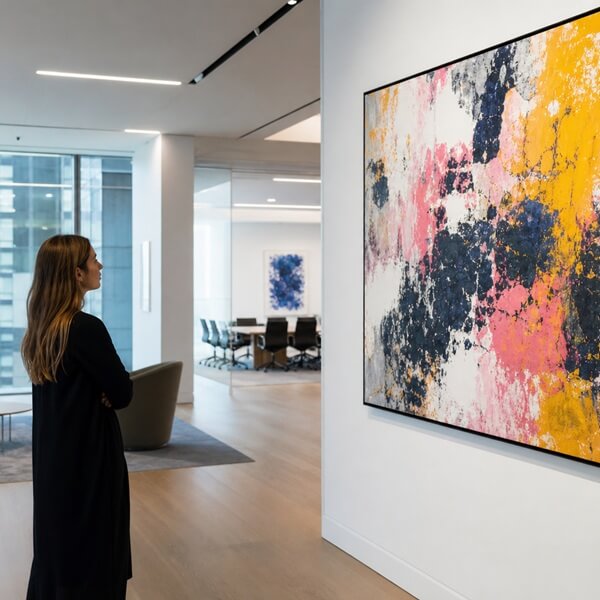
Establishing a clear direction also requires formal documentation. Many organizations create a collection mission statement, outline acquisition criteria, and define long-term goals related to growth, value, and visibility. This clarity ensures that all stakeholders—from leadership to facilities and brand teams—are aligned.
Ultimately, defining your vision transforms art collecting from an ad hoc activity into a strategic initiative. It ensures that every acquisition contributes to a cohesive narrative and supports the organization’s broader objectives.
Setting a budget and acquisition strategy
Financial planning is a critical component of building an art collection for business. A well-defined budget not only ensures sustainability but also enables organizations to make more deliberate and strategic decisions over time. Without a clear financial framework, collections can quickly become inconsistent or misaligned with organizational goals.
Typically, companies establish both an initial acquisition budget and an ongoing annual budget. The initial budget supports the launch of the collection, allowing organizations to acquire foundational pieces. The ongoing budget covers future acquisitions, maintenance, logistics, and operational costs, ensuring that the collection continues to evolve.
Organizations must also determine their acquisition approach. Purchasing artworks outright provides full ownership and long-term value, while leasing can offer flexibility and lower upfront costs. Commissioning works directly from artists allows companies to create unique pieces that align closely with their brand identity and physical spaces.
A strong acquisition strategy also considers diversification. This may involve balancing emerging and established artists, exploring different mediums, and varying price points. Diversification reduces risk and creates a more dynamic and engaging collection. At the same time, organizations must account for market volatility and valuation challenges, often working with art advisors or consultants to guide decisions.
Establishing clear acquisition criteria is equally important. This includes defining spending thresholds, documentation requirements, and approval processes. These guidelines ensure consistency and reduce the likelihood of impulsive purchases that do not align with the overall strategy.
By approaching budgeting and acquisitions with structure and discipline, organizations can build collections that are both financially sustainable and strategically aligned. This foundation supports long-term growth and ensures that art remains a valuable and well-managed asset.
Establishing policies, governance, and decision-making processes
As a corporate art collection grows, governance becomes essential to maintaining consistency, accountability, and compliance. Without clear policies and defined processes, organizations risk inefficiencies, misalignment, and potential legal or financial challenges.
Effective governance begins with establishing acquisition policies that define what types of artworks are suitable for the collection. These policies typically outline artistic criteria, budget limitations, and alignment with the organization’s vision. They provide a framework that guides decision-making and ensures consistency over time.
Equally important are approval workflows. Organizations must determine who has authority to approve acquisitions, whether through a curatorial committee, executive leadership, or external advisors. Clear workflows prevent delays and ensure that decisions are made transparently and efficiently.
Documentation standards also play a critical role. Every artwork should be accompanied by detailed records, including artist information, provenance, valuation, and supporting documents such as invoices and certificates. Standardizing this information ensures that data is consistent and accessible across the organization.
Governance also supports compliance and audit readiness. Corporate collections often require insurance coverage, financial reporting, and regulatory oversight. Having structured processes in place ensures that organizations can meet these requirements with confidence.
Finally, defining roles and responsibilities across teams is essential. Facilities teams may oversee installation and logistics, finance teams manage valuation and reporting, and brand or HR teams focus on engagement and experience. Clear ownership ensures that all aspects of the collection are managed effectively.
By implementing strong governance, organizations can transition from informal collecting to structured art collection management. This not only reduces risk but also enables more efficient and scalable operations.
Sourcing and acquiring artwork: where to start
Once strategy and governance are established, organizations can begin sourcing and acquiring artwork. This stage requires both creativity and discipline, as companies must balance artistic vision with due diligence and financial considerations.
There are several primary channels for sourcing artwork. Galleries and dealers provide curated access to established artists and offer credibility through professional vetting. Art fairs and exhibitions expose organizations to a wide range of artists and emerging trends, making them valuable for discovery. Direct relationships with artists allow for more personalized collaborations, including commissioned works that align closely with brand identity. Art consultants can also play a key role, helping organizations navigate the market and align acquisitions with strategic goals. Leaders new to this often ask what does an art consultant do before they reach out.
Regardless of the sourcing channel, due diligence is critical. Organizations must verify provenance, confirm authenticity, assess condition, and ensure that all legal rights are properly documented. Skipping these steps can lead to financial losses and reputational risks.
In the early stages, it is often advisable to start with a focused approach. Rather than acquiring a large number of works quickly, organizations benefit from building their collection gradually, prioritizing quality and alignment with their vision. Over time, as expertise and confidence grow, sourcing becomes more strategic and targeted.
Developing strong relationships within the art ecosystem is also important. Trusted galleries, advisors, and artists can provide ongoing insights and opportunities, helping organizations refine their approach and expand their collection in meaningful ways.
Managing logistics: installation, storage, and transportation
Art logistics are a critical yet often underestimated aspect of corporate art collection management. Proper handling, installation, and storage are essential to preserving the value and integrity of artworks over time.
Installation requires careful planning to ensure both safety and optimal presentation. Factors such as wall structure, mounting systems, lighting, and environmental conditions must be considered. Improper installation can damage artworks or compromise their visual impact, making professional expertise essential.
Storage is equally important, particularly for artworks that are not currently on display. High-quality storage solutions typically include climate-controlled environments that protect against fluctuations in temperature and humidity. Security is also a key concern, as valuable artworks must be safeguarded against theft or damage.
Transportation introduces another layer of complexity. Moving artworks between locations requires specialized handling, appropriate packaging, and insurance coverage. Professional art logistics providers are often necessary to ensure that works are transported safely and efficiently.
Over time, artworks may also require conservation and maintenance. This can include cleaning, restoration, and condition monitoring to preserve their quality and value. Coordinating these activities often involves working with conservators and other specialists.
As collections expand, managing logistics becomes increasingly complex, particularly for organizations with multiple locations. Efficient coordination between vendors, internal teams, and external partners is essential to ensure that operations run smoothly and that artworks are properly protected at all times.
Cataloging and documenting your collection from the beginning
One of the most important aspects of art collection management is documentation. From the moment an artwork is acquired, organizations should establish structured processes for cataloging and maintaining accurate records.
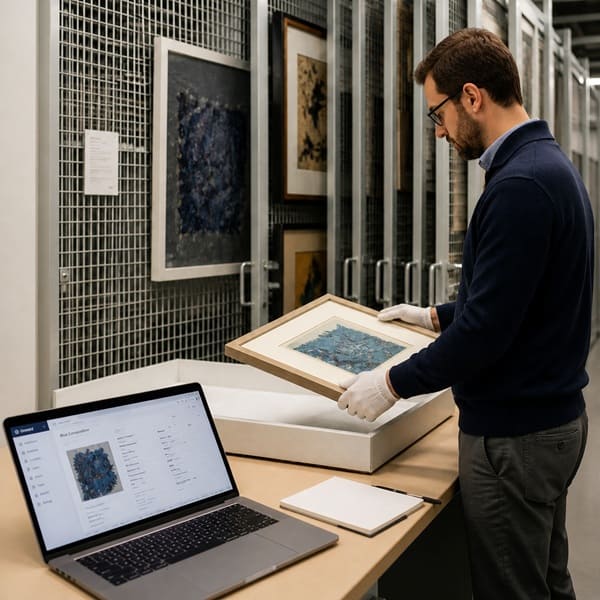
Each artwork should be documented with detailed information, including artist background, provenance, purchase details, valuation, and condition reports. Supporting documents such as invoices, certificates of authenticity, and images should also be stored alongside the record. This comprehensive documentation ensures that all relevant information is easily accessible when needed.
Centralization is key. Without a unified system, data often becomes scattered across spreadsheets, emails, and local files. This fragmentation creates inefficiencies and increases the risk of lost or inconsistent information. It can also complicate insurance processes, financial reporting, and audits.
By implementing a centralized approach to documentation, organizations gain several advantages. They can access accurate information quickly, maintain consistency across teams, and support long-term scalability. Proper documentation also enhances the value of the collection by providing a clear and verifiable record of each artwork’s history and condition.
In the long run, structured cataloging transforms a collection from a loosely managed group of assets into a well-organized and strategically valuable resource. It provides the foundation for effective art asset management and supports informed decision-making across the organization.
Managing art across multiple locations and teams
For organizations operating across multiple offices or regions, managing a corporate art collection becomes significantly more complex. Ensuring visibility, consistency, and coordination across locations requires a structured and scalable approach.
One of the primary challenges is tracking the movement of artworks. Pieces may be installed, relocated, loaned, or placed in storage, making it essential to maintain accurate, real-time records. Without centralized tracking, organizations risk losing visibility over where artworks are located and how they are being used.
Collaboration across teams also becomes more challenging as collections grow. Facilities teams, finance departments, and brand or HR teams all interact with the collection in different ways. Without standardized processes, communication gaps can lead to inefficiencies and errors.
To address these challenges, organizations must establish consistent workflows and implement systems that enable centralized oversight. This includes standardizing how artworks are cataloged, tracked, and managed across all locations. It also involves ensuring that all teams have access to the information they need to perform their roles effectively.
By creating a unified approach to managing distributed collections, organizations can maintain control, improve efficiency, and ensure that their art assets are used strategically across the entire business.
Using art to enhance brand, culture, and stakeholder engagement
Art plays a powerful role in shaping how organizations are perceived both internally and externally. When used strategically, a corporate art collection can enhance brand identity, strengthen culture, and create meaningful connections with stakeholders.
Within the workplace, art contributes to a more engaging and inspiring environment. Employees benefit from spaces that reflect creativity and thoughtfulness, which can positively impact morale and productivity. Art can also foster a sense of identity and belonging, particularly when it reflects the organization’s values and mission.
From a client perspective, curated spaces create a strong first impression. Art can elevate meeting rooms, reception areas, and executive spaces, reinforcing the organization’s professionalism and attention to detail. It also provides opportunities for storytelling, allowing companies to communicate their history, vision, and cultural commitments.
Corporate art collections can also support events and exhibitions, both internally and externally. These initiatives provide opportunities to engage employees, clients, and the broader community. In addition, digital tools now enable organizations to share their collections more widely, extending their reach beyond physical spaces.
Ultimately, art becomes more than a visual element—it becomes a strategic tool for engagement and communication. By aligning art with brand and culture, organizations can create experiences that resonate with both employees and stakeholders.
Scaling your collection with the right systems and tools
As collections grow, the limitations of spreadsheets and disconnected tools become increasingly evident. Managing artworks across locations, tracking documentation, and enabling collaboration require more advanced solutions.
The difference between manual tools and dedicated platforms becomes clear as complexity increases:
| Capability | Spreadsheets & Manual Tools | Centralized Art Management Platform |
| Data accuracy | Prone to errors and duplication | Consistent, structured data |
| Collaboration | Limited and fragmented | Real-time collaboration across teams |
| Visibility | Difficult to track across locations | Full visibility of all artworks |
| Document storage | Scattered across systems | Centralized and accessible |
| Reporting | Manual and time-consuming | Automated analytics and reporting |
| Scalability | Breaks down as collection grows | Built for long-term growth |
This shift is essential for organizations serious about scaling their corporate art collection. A centralized platform enables better decision-making, reduces risk, and ensures that art remains a strategic asset rather than an operational burden.
How does Onward support corporate art collections at scale?
Onward is designed to meet the needs of organizations managing complex, high-value art collections. It provides a centralized platform that supports every aspect of art asset management, from acquisition and documentation to logistics and reporting.
The platform is built specifically for multi-location corporate collections, enabling organizations to track artworks across offices and regions with ease. Its intuitive interface ensures that teams can adopt the system quickly without extensive training, while its cloud-based architecture allows for seamless collaboration across departments.
Onward also centralizes all collection data, including images, documents, and detailed records. This eliminates fragmentation and ensures that information is always accessible and up to date. Advanced analytics and reporting capabilities provide valuable insights, helping organizations understand the performance and composition of their collections.
In addition, features such as secure sharing enable organizations to present curated subsets of their collections to stakeholders, whether for internal collaboration or external engagement.
By combining ease of use with enterprise-level functionality, Onward provides a comprehensive solution for organizations looking to build and scale their corporate art collections effectively.
Government agencies building or expanding their collections benefit from the same strategic frameworks that guide successful corporate collection development.
Request a guided tour to see how Onward can support your collection strategy.