If your organization holds a fine art collection, you’ve likely faced a familiar challenge: ensuring your artworks are accurately valued for insurance purposes, financial reporting, or strategic planning. Market volatility between 2024 and 2025 saw contemporary art prices fluctuate by 15-20%, exposing corporate collections, universities, and hospitals to potential uninsured losses or compliance gaps during audits. Adequate art collection insurance is the safeguard against exactly those uninsured losses.
This guide focuses on professional art appraisal services in a business context—covering insurance, financial reporting, risk management, charitable donations, and deaccessioning. Whether you’re managing a 200-piece lobby collection acquired between 1995–2015, a 60-work contemporary spread across three campuses, or a 40-piece photography collection in a law firm with changing partners, understanding how appraisals work is essential. Onward, a cloud-based platform, helps you centralize appraisal data, documents, and valuation history across distributed collections.
What Are Art Appraisal Services?
Art appraisal services deliver professional, documented opinions of value for artworks and cultural objects. Qualified appraisers follow established standards like USPAP (Uniform Standards of Professional Appraisal Practice) in America, ensuring consistency and defensibility.
Services can be structured as:
- In-person inspections for high-value or research-intensive works
- Virtual appraisals using high-resolution images submitted through online services
- Hybrid models combining remote data review with targeted site visits
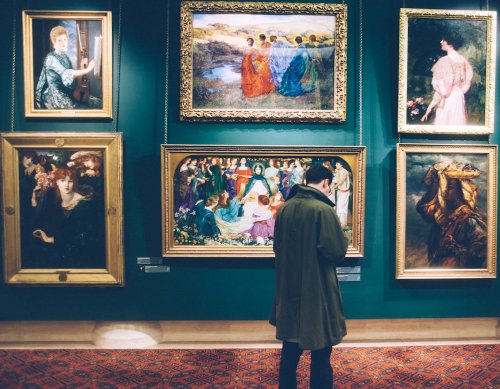
Common object categories include paintings, sculpture, works on paper, photography, video art, design objects, decorative arts, and corporate commissions installed on-site.
Here’s the key distinction: an appraisal is a formal, purpose-specific value backed by research and methodology. An auction estimate is simply a projected sale range—not a complete valuation acceptable for compliance or insurance.
For larger collections, appraisal services connect directly to internal policies: capitalization thresholds, insurance schedules, risk registers, and ESG reporting requirements.
Types of Art Appraisal Services Your Organization May Need
The appraised value of an art work depends entirely on its purpose. Each use case requires a different assignment of value, and using the wrong type can create compliance issues.
| Appraisal Type | Value Definition | Example Use Case |
|---|---|---|
| Insurance | Replacement value | Insuring a 1986 oil on canvas by a regional artist |
| Estate/Gift | Fair market value | Dividing a 35-work collection among beneficiaries |
| Financial Reporting | IFRS/GAAP-compliant | Recording lobby artwork on a 2026 balance sheet |
| Sale Advisory | Market value range | Pre-sale appraisal ahead of 2027 deaccessioning |
Non-cash charitable contributions carry specific requirements. If your organization donates 10 large works to a teaching hospital valued above the IRS threshold, you need a “qualified appraisal” meeting defined regulatory standards—otherwise, the deduction won’t stand.
Onward lets you tag each artwork record with appraisal purpose, date, appraiser credentials, and value type, keeping multiple valuation histories separate and auditable.
How Professional Art Appraisal Services Work (Step by Step)
While each firm has its own workflow, most appraisals follow a predictable sequence your team can plan for:
- Initial inquiry: Define scope (e.g., 120 paintings across four offices), purpose, and timeline
- Document collection: Gather invoices, prior appraisals, conservation reports, and loan agreements
- Image submission: Provide high-resolution photographs (front, back, signature, installation view)
- Site visit or remote inspection: Physical examination or detailed virtual review
- Market research: Comparables analysis using auction records and private sale data
- Report drafting and review: Internal quality checks before final delivery
Typical timelines run two to eight weeks depending on scope. For collections under 200 items, expect the shorter end; research-intensive provenance work extends this figure.
A completed report usually contains an object list, detailed description of each artwork, photographs, valuation methodology statement, comparable sales data with auction dates and prices, and limiting conditions.
Onward streamlines data collection by allowing you to export a structured object list with images and documents to send directly to your appraiser—reducing back-and-forth emails significantly.
Qualified Appraisers, Standards, and Compliance
Working with qualified appraisers whose credentials match your collection type is critical, especially for audit or tax-sensitive work.
What defines a qualified appraiser:
- Formal education in art history or related field
- Proven valuation experience (typically 3+ years)
- Membership in recognized organizations like the Appraisers Association of America or International Society of Appraisers
- Familiarity with USPAP standards
For U.S. income, estate, and gift taxes, regulations specify what constitutes a “qualified appraisal” and what content the report must contain. Non-compliance risks include disallowed deductions, audit disputes, or challenges from executors in estate scenarios.
Consider this example: a firm in New York donates a 2005 large-scale photograph valued above the regulatory threshold. The appraiser’s credentials, engagement letter, and report structure must meet IRS requirements under §170(f)(11)—or the charitable claim fails.
Onward helps you maintain a permanent record of appraiser credentials, engagement letters, and final reports for each artwork, creating a clear audit trail spanning many years.
Key Use Cases for Art Appraisal Services in Corporate and Institutional Collections
While private collectors seek appraisals for personal reasons, organizations typically respond to specific governance, risk, and compliance triggers:
- Renewing insurance coverage after 2024–2025 market shifts
- Merging with a company holding a legacy art collection
- Closing or opening regional offices requiring asset review
- Restructuring a campus with distributed artwork
- Updating asset registers ahead of a 2026 audit
Real examples include healthcare systems with art displayed across 15 clinics, financial institutions with rotating exhibits in client spaces, or universities with faculty office art never formally appraised. Each setting shows how varied corporate office artwork can be across organizations.

Appraisals also support strategic decisions: whether to sell certain works, focus future acquisition priorities, or repurpose underused pieces. When you centralize results in Onward, you can filter by location, building, or department to determine where your highest-value works are concentrated and where risk exposure is greatest.
Art Appraisal Services vs. Online Estimates and Market Opinions
Quick online estimates serve a purpose, but they differ fundamentally from formal appraisal services used for corporate decision-making.
Typical online valuation flows involve submitting images and a description through a web form, then receiving a non-binding estimate—often focused on potential sale value. These tools verify basic market interest but carry limitations:
- No physical inspection (missing 15-30% of condition variances)
- Secondary-market focus, not insurance replacement or financial reporting value
- Not defensible for regulatory or tax purposes
A 2010 contemporary print might receive a $2,500 online estimate while its insured value reaches $6,000. Organizations can use online tools directionally, but should rely on formal services for board reporting, financial statements, and regulatory submissions.
Onward stores both informal estimates and formal appraisals side by side, with clear labels and date stamps, so internal stakeholders understand which figures are acceptable for which decisions.
How Onward Supports Your Art Appraisal Process
Onward is not an appraisal firm—it’s a platform that helps you manage and operationalize appraisal work across a distributed collection.
Key capabilities include:
- Centralized inventory data: Artist, title, year, medium, dimensions, location, acquisition details, and previous appraisals
- Secure cloud storage: Attach appraisal reports (PDF), condition reports, invoices, and high-resolution photographs to each object
- Maintenance task management: Track which works were last appraised in 2018 versus 2023, and flag items needing updates after damage, relocation, or market changes
- Collection sharing and reporting: Share structured inventory data with your appraiser directly from the platform rather than juggling files in email
Organizations using Onward report more efficient appraisal engagements, fewer missing documents, and better continuity when staff or outside specialists change. Data is stored in Amazon cloud storage with logical user permissions, so only authorized team members see sensitive valuation information.

Best Practices for Working with Art Appraisal Services
Preparation significantly improves appraisal accuracy, timelines, and cost.
Before you contact client services at an appraisal firm:
- Consolidate your artwork list with purchase dates, prices, and previous appraisals
- Establish a clear brief: purpose, scope, deadlines, and required reporting format
- Prepare images meeting minimum resolution standards with neutral lighting and detail shots of signatures or labels
Establish a multi-year policy:
- Define thresholds (e.g., appraise works over $10,000 every five years)
- Assign responsibilities across facilities, curatorial, and finance teams
- Record policies alongside collection data in Onward
Note that confidentiality matters. Ensure NDAs are in place and use a secure service like Onward rather than unsecured email chains for sharing sensitive valuation information.
Getting Started with Art Appraisal Services Using Onward
Many organizations are transitioning from spreadsheets and shared folders to more structured systems in 2026. The following information outlines simple steps to begin:
- Inventory your artworks in Onward (even starting with partial data)
- Upload existing appraisals and invoices as attachments to each record
- Map locations across offices or campuses using GPS-tagged fields
- Identify gaps based on age of last valuation, regulatory triggers, or insurance needs
Once data is centralized, you can approach trusted appraisal firms with a clear, exportable inventory package—reducing project ramp-up from weeks to days.
Ready to discuss how Onward supports your collection? Request a demo to see appraisal workflows in action, or get started with Onward to begin organizing your inventory today.
By combining professional art appraisal services with a dedicated collection management platform, you protect your organization’s cultural assets, support compliance obligations, and make your art collection a more visible and strategic property.