Successful art gallery management today requires far more than putting great work on the walls. Strong gallery management means balancing artists, collectors, exhibitions, operations, documentation, and sales in a way that supports both reputation and long-term growth. The most successful galleries combine curatorial vision with consistent systems that keep every artwork, relationship, and transaction organized. That balance usually rests on a capable art gallery manager steering daily operations. Companies increasingly invest in business art. Buying with intent means following a clear art acquisition strategy.
For art gallery owners, directors, and operations teams, that often comes down to one question: how do you build a gallery that feels personal and creative while still running like a well-managed business? The answer is structure. When inventory management, location management, reporting, artist coordination, and sales workflows all work together, a gallery can grow with confidence instead of reacting to problems one by one.
In This Guide
- Defining Successful Gallery Management in Today’s Art Market
- Core Operational Foundations of a Successful Art Gallery
- Building Strong Relationships With Artists and Collectors
- Inventory, Documentation, and Artwork Tracking Best Practices
- Marketing and Audience Development for Modern Galleries
- Financial Management and Sales Strategies for Galleries
- The Role of Technology in Modern Gallery Management
- How Onward Supports Gallery Management and Artwork Organization
- A Practical Checklist for Running a Successful Art Gallery
Defining Successful Gallery Management in Today’s Art Market
Successful art gallery management is not just about presenting strong exhibitions. It is about building an operation that supports artists, serves collectors well, and stays organized enough to remain profitable over time. A gallery may have an excellent eye for art, but without clear systems behind the scenes, even promising programs can become difficult to sustain. A skilled gallery manager is what keeps those systems running day to day.
In today’s market, galleries operate in a more complex environment than ever before. They are expected to maintain in-person experiences while also supporting digital discovery, online inquiries, remote collectors, and faster communication. At the same time, artists expect professionalism, transparency, and timely follow-through. Collectors want confidence in pricing, provenance, condition, and availability. None of that happens consistently without strong gallery management.
A successful gallery understands the difference between exhibiting art and running a sustainable business. Exhibiting art focuses on curation and presentation. Professional art curation services bring structure to that work. Running a gallery requires process. That includes cataloging incoming works, tracking artwork movement, documenting consignment details, managing pricing updates, coordinating installation schedules, maintaining client records, and keeping sales activity visible. These activities may not be as visible as an opening night, but they are what allow the gallery to perform at a high level.
Organization is one of the clearest indicators of gallery maturity. When a gallery knows exactly where each work is, which artist agreements are active, what has sold, what is on reserve, and what needs follow-up, it can operate more strategically. That level of control supports better planning, stronger service, and fewer avoidable mistakes. It also gives gallery teams more time to focus on artists, programming, and growth.
Professionalism matters just as much. Artists want to work with galleries that communicate clearly and handle their work with care. Collectors are more likely to buy from galleries that provide accurate information and a polished experience. In both cases, trust is built through consistency. Good gallery management turns that consistency into a repeatable standard.
Long-term planning is also essential. Galleries that rely only on short-term sales pressure often struggle to build momentum. Those that think ahead about exhibition calendars, artist development, collector engagement, and operational capacity are better positioned to grow. In a competitive, digital-first market, success comes from combining vision with structure. That is what turns gallery management into a real advantage.
Core Operational Foundations of a Successful Art Gallery
Every successful gallery depends on operational foundations that make daily work easier, more accurate, and more scalable. Without those foundations, teams spend too much time searching for information, correcting avoidable errors, and managing tasks informally.
One of the most important operational areas is artwork intake and cataloging. As new works arrive, galleries should record essential information immediately. That includes artist name, title, medium, dimensions, date, pricing, provenance details, condition notes, consignment terms, and images. If this information is incomplete or scattered across emails and spreadsheets, problems usually appear later during exhibitions, sales, or inventory reviews. A standardized intake process helps ensure that every artwork enters the system with the right level of documentation from the start.
Exhibition planning is another core requirement. Galleries often manage multiple timelines at once, including shipping, framing, installation, checklists, press outreach, opening events, and deinstallation. When these steps are managed casually, deadlines slip and communication becomes reactive. A more effective approach is to structure exhibition planning around clear schedules, assigned responsibilities, and shared records. This supports smoother collaboration across internal staff, artists, installers, and external vendors.
Artwork logistics also deserve careful coordination. Even smaller galleries handle movement between storage, gallery floors, fairs, collectors, and partner spaces. That means gallery management should include a dependable way to track where each piece is, when it moved, and what its status is. If a work is reserved, on loan, in storage, or out for installation, everyone involved should be able to confirm that quickly.
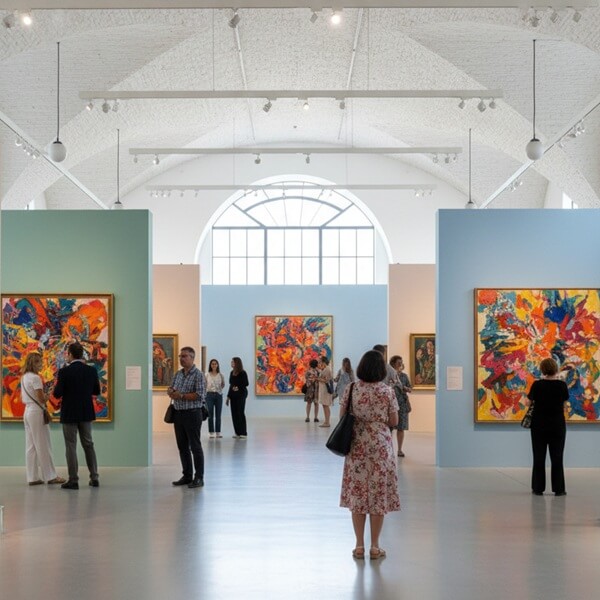
Documentation management is equally important. Galleries work with artist agreements, invoices, condition reports, exhibition checklists, certificates, consignment records, and sales documents. When these files live in disconnected folders or personal inboxes, continuity suffers. Strong operations rely on centralized access so teams can find what they need without delay.
Consistency is what ties all of this together. Standardized processes reduce confusion and improve service quality. For example, if every exhibition uses the same intake checklist, the same logistics process, and the same documentation standards, the gallery becomes easier to manage and easier to scale. It also becomes easier to train new team members and maintain quality during busy periods.
In practice, great gallery management often looks simple from the outside. Deadlines are met, exhibitions feel polished, and collectors receive timely responses. Behind that experience is a reliable operational structure that supports every step. Galleries that invest in these foundations are better able to protect artworks, serve artists, and keep their business moving forward.
Building Strong Relationships With Artists and Collectors
Relationships are at the heart of every gallery. Artists trust galleries to represent their work with care and professionalism. Collectors rely on galleries for expertise, transparency, and access. Strong gallery management supports both sides by creating a more organized and dependable experience.
For artists, communication is critical. They need clarity around exhibition plans, artwork delivery, pricing, consignment terms, and promotional efforts. Even talented galleries can damage relationships when communication is inconsistent or details get lost. A gallery that responds promptly, keeps records organized, and follows through on commitments builds trust over time. That trust often becomes the foundation for long-term collaboration.
Managing artist documentation well is part of that relationship. Contracts, bios, artwork details, installation requirements, and image rights should all be easy to access and update. When a gallery can quickly prepare a checklist, confirm available works, or retrieve key documents, it sends a strong signal of professionalism. This is especially important for galleries working with multiple artists across several exhibitions each year.
Collectors expect a similar level of care. They want accurate information, timely answers, and confidence that the gallery understands their interests. Personalized service matters here. A collector interested in emerging painting should not receive the same experience as one focused on established sculpture or institutional acquisitions. Good relationship management means tracking past purchases, noting preferences, and tailoring outreach in a thoughtful way.
Transparency plays a major role in both artist and collector relationships. Artists want to know where their works are, what has sold, and what conversations are active. Collectors want clarity on pricing, provenance, availability, and condition. Gallery management systems should make that information easier to access so that teams can communicate with confidence instead of relying on guesswork.
Professionalism also means staying consistent during busy periods. Openings, fairs, installations, and sales cycles can create pressure, but relationships usually suffer when galleries become disorganized. A missed update, a delayed payment, or confusion about a reserved work can damage confidence quickly. Structured workflows help prevent that.
The strongest galleries are not just sales channels. They are trusted partners. Artists feel supported in the development and presentation of their work. Collectors feel guided rather than pushed. When relationships are supported by reliable operations, a gallery becomes more than a venue. It becomes a stable, respected part of the art ecosystem. That is one of the clearest outcomes of strong gallery management.
Inventory, Documentation, and Artwork Tracking Best Practices
If there is one area where gallery management often succeeds or fails, it is inventory and documentation. Galleries handle artworks across exhibitions, storage, fairs, consignments, loans, and sales. Without centralized records, it becomes difficult to know what is available, what has moved, what has sold, and what still needs attention.
Private collectors and family offices often face the added complexity of managing collections spread across multiple residences and storage facilities.
A strong inventory management process starts with complete records for every artwork. That includes title, artist, medium, dimensions, year, location, pricing, status, condition, provenance, images, and related documents. Galleries should also track whether a piece is available, reserved, sold, on loan, or in transit. These details are not just administrative. They directly affect sales readiness, exhibition planning, and artist communication.
Location management is especially important for galleries with multiple storage areas, viewing rooms, fairs, or partner venues. If a collector asks to see a work, the gallery should be able to confirm its exact location immediately. The same applies during installation planning or inventory review. Accurate location data reduces delays and lowers the risk of mishandling or miscommunication.
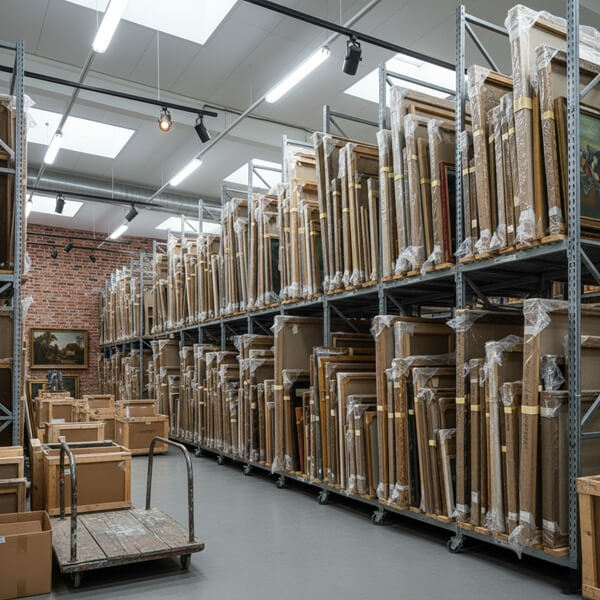
Spreadsheet-based workflows often create hidden risk. They can work for a very small inventory, but as soon as more artists, locations, and exhibitions are involved, they become harder to maintain accurately. Multiple versions circulate, manual entry leads to mistakes, and reporting becomes time-consuming.
Spreadsheet vs Centralized Gallery Management Software
| Workflow Area | Spreadsheet-Based Gallery Management | Centralized Gallery Management Software |
| Inventory records | Manual entry, inconsistent formatting | Standardized artwork records in one place |
| Location tracking | Easy to lose updates | Real-time location management across spaces |
| Documentation | Files stored separately in folders or inboxes | Documents attached directly to artwork records |
| Collaboration | Version confusion across team members | Shared access for multiple users |
| Reporting | Manual sorting and filtering | Faster reporting and clearer visibility |
| Exhibition planning | Separate sheets and email coordination | More connected workflows and task tracking |
| Sales readiness | Availability can be unclear | Artwork status, pricing, and records easier to confirm |
This shift from disconnected spreadsheets to centralized systems is one of the most important upgrades a gallery can make. It improves accuracy, supports reporting, and helps teams operate with more confidence. For galleries managing several artists, active exhibitions, and off-site storage, organized tracking is not optional. It is essential.
Marketing and Audience Development for Modern Galleries
Even the most thoughtfully curated gallery needs a strong marketing approach to stay visible and grow. Gallery management today includes more than internal organization. It also requires a consistent strategy for audience development, collector outreach, and brand positioning.
Exhibition marketing is often the main driver of visibility. Each exhibition should have a clear story, a distinct audience, and a promotional plan that starts early enough to build interest. That can include email campaigns, press outreach, social content, event invitations, and follow-up communication after the opening. Galleries that treat each exhibition as an isolated event often miss the chance to build a larger narrative around their program.
Email marketing remains one of the most effective tools for galleries. Thoughtful collector outreach helps maintain relationships between shows and gives audiences a reason to stay connected. The most effective messages are not generic blasts. They reflect collector interests, highlight relevant artists, and provide useful context about available works or upcoming events. When gallery teams track these interactions carefully, communication becomes more targeted and effective.
Social media and digital presence also shape how galleries are discovered. Collectors, curators, advisors, and artists often encounter galleries online before visiting in person. A strong digital presence does not mean posting constantly. It means showing work consistently, presenting artists well, and maintaining a professional visual identity. Gallery websites, image quality, and exhibition pages all contribute to that first impression.
Community building matters too. Events, talks, partnerships, studio visits, and local collaborations can deepen audience engagement beyond individual sales. This is especially valuable for galleries that want to build loyalty and word-of-mouth visibility. Community-focused programming also helps position the gallery as an active participant in cultural life, not just a transactional space.
Brand consistency ties all of this together. The gallery’s tone, visual language, curatorial perspective, and communication style should feel aligned across touchpoints. Strong storytelling helps collectors remember the gallery, understand its values, and connect more deeply with artists in the program.
From an operational perspective, gallery management supports marketing by keeping information organized. Accurate artwork details, current images, artist bios, and exhibition timelines make it much easier to execute campaigns efficiently. In other words, marketing works better when operations are strong. The best galleries do not treat these areas separately. They connect them through clear systems and disciplined execution.
Financial Management and Sales Strategies for Galleries
Financial discipline is essential to gallery success. A gallery can have strong programming and good relationships, but without visibility into pricing, sales activity, commissions, and operational costs, growth becomes difficult to manage.
Artwork pricing is one of the most sensitive areas. Galleries need pricing that reflects the artist’s market position, supports long-term career development, and makes sense to collectors. Pricing should be documented consistently and updated carefully across inventory records, checklists, and sales materials. Conflicting pricing creates confusion and can damage trust.
Sales tracking is equally important. Galleries should know what has sold, what is reserved, what is under discussion, and what revenue is expected from upcoming activity. This is where reporting becomes valuable. When teams can review sales patterns by artist, exhibition, price range, or period, they can make more informed decisions about programming and outreach. Reporting also helps galleries evaluate which efforts are producing meaningful results.
Artist payouts and commissions must be handled clearly and on time. This is both a financial process and a relationship issue. Artists need transparency around sale terms, payment timing, and any deductions. Good gallery management supports this with organized documentation and reliable records, reducing misunderstandings and building trust.

Budgeting is another key responsibility. Exhibitions involve framing, transport, installation, printing, staffing, events, and marketing costs. Without careful planning, expenses can rise quickly. Galleries benefit from reviewing the cost of each exhibition alongside actual outcomes. That helps leaders make better decisions about scale, partnerships, and future investment.
Financial visibility matters most when galleries grow. As more artists, exhibitions, and locations are added, informal tracking becomes risky. Leaders need to understand both day-to-day transactions and broader performance trends. That is why many galleries move beyond disconnected spreadsheets toward systems that combine inventory management, documentation, and reporting in one place.
Strong sales strategy is not about being overly aggressive. It is about being prepared. When teams can quickly confirm details, present works professionally, and follow up with confidence, sales conversations become smoother. A well-managed gallery creates the conditions for better selling by staying organized, transparent, and responsive at every stage.
The Role of Technology in Modern Gallery Management
Technology has become a practical necessity for galleries that want to stay organized and scale with confidence. While many galleries still rely on spreadsheets, email chains, and shared folders, those tools rarely provide the structure needed for modern gallery management.
The biggest shift is moving from fragmented records to a centralized system. Instead of keeping artwork details in one spreadsheet, condition reports in another folder, and loan notes in email, galleries can manage information in one place. This improves accuracy and saves time. It also makes it easier to answer questions quickly, whether the issue involves location, pricing, documentation, or availability.
Cloud-based gallery management platforms bring additional benefits. Teams can access records from the gallery, storage, art fairs, or remote offices. Multi-user collaboration becomes easier because everyone works from the same source of truth. That matters for galleries coordinating directors, registrars, assistants, installers, and external partners.
Technology also improves reporting. Instead of manually sorting rows and reconciling files, gallery teams can gain clearer visibility into inventory, movement, sales activity, and operational status. Reporting supports better decision-making and helps leadership plan more strategically.
Another advantage is workflow consistency. A centralized platform can support intake, location management, document storage, task tracking, and exhibition coordination within one environment. This reduces duplication and helps galleries maintain standards as they grow.
For many galleries, the real value of technology is not complexity. It is clarity. Better systems help teams spend less time managing chaos and more time focusing on artists, collectors, and programming. That is the real promise of modern gallery management technology.
How Onward Supports Gallery Management and Artwork Organization
Onward is not traditional gallery management software. Gallery platforms are often built around sales, consignments, collector relationships, online viewing rooms, and e-commerce. Onward serves a different need: helping organizations manage large, distributed art collections across offices, campuses, residences, storage spaces, and other locations. Coordinating shows and stock is far simpler with dedicated art gallery management software.
For organizations managing valuable artworks across multiple sites, Onward provides one centralized place to organize inventory, locations, documents, tasks, loans, and reporting. This can be especially useful for corporate collections, universities, healthcare systems, financial institutions, family offices, and other teams that need clear oversight without relying on spreadsheets or disconnected folders.
With Inventory Management, teams can maintain detailed records for each artwork, including images, key details, documentation, condition notes, and current status. Location Management helps teams track artworks as they move between offices, buildings, storage spaces, public areas, private rooms, or temporary placements.
Onward also supports artwork and artist-related organization through Artist Profiles. Teams can keep artist information, related works, and supporting materials easier to access. Documents such as provenance records, certificates, contracts, appraisals, and condition files can be stored with the relevant artwork record.
Loan Management helps track external placements, temporary movements, timelines, and related documentation. Task Management supports inspections, maintenance, relocations, follow-ups, and internal responsibilities.
While commercial galleries may need software focused on sales and client management, Onward is built for organizations that need operational visibility across large, distributed collections. It helps teams replace fragmented spreadsheets and disconnected tools with a centralized platform for collection oversight, documentation, reporting, and secure collaboration.
A Practical Checklist for Running a Successful Art Gallery
Running a successful gallery depends on doing the basics well: building strong relationships, keeping accurate records, managing artwork movement, tracking sales activity, and creating a consistent audience experience.
Start with artwork organization. Every piece should have a complete record, clear status, current location, and attached documentation. This supports inventory management, sales readiness, exhibition planning, and internal reviews. If a gallery cannot quickly confirm what it has, where it is, and whether it is available, other problems usually follow.
Relationship management is also essential. Communication with artists should be timely and transparent. Collectors should receive a polished and informed experience. Notes about interests, conversations, and commitments should be easy to reference so service feels personal and consistent.
Marketing should follow a repeatable process. Each exhibition needs a clear story, promotion timeline, and outreach plan. Consistency across email, website, social media, and press materials helps galleries build recognition and trust over time.
Financial processes need the same discipline. Pricing, sales tracking, commissions, payouts, and exhibition budgets should be monitored carefully. Reporting should support decisions while the information is still useful.
Finally, review the systems behind the work. If the gallery relies on disconnected spreadsheets, folders, and inboxes, operations can become harder to manage as activity grows.
For commercial galleries, dedicated gallery management software may be the better fit when sales, consignments, collector relationships, and e-commerce are the main priorities. For organizations managing large, distributed collections outside the gallery model, Onward offers a different kind of solution: centralized inventory, location tracking, documentation, reporting, task coordination, loan management, and secure sharing across multiple sites.
Request a Guided Tour of Onward to see how centralized inventory, location tracking, documentation, reporting, task management, and secure sharing can support better collection oversight.
Art Gallery Management FAQ
How do you successfully manage an art gallery?
Successful gallery management requires balancing artist relationships, marketing, exhibitions, inventory, and collector engagement while maintaining strong business operations.
What makes an art gallery successful?
Successful galleries combine strong curation, effective marketing, collector relationships, and memorable exhibitions to build long-term reputation and sales.
How do art galleries attract buyers?
Art galleries attract buyers through exhibitions, networking, social media marketing, collector outreach, and strong online visibility.