Imagine it is 2024 and you have just inherited a 230-piece art collection spanning 1960 to 2015, along with a filing cabinet of appraisals, a binder of sales invoices, and a few hundred images on a thumb drive. You are now responsible for artwork scattered across a family home, two offices, and a storage vault you have never visited. Onboarding an inherited art collection into new software starts with assessing and triaging the physical collection, cleaning and structuring the records you have, configuring the system to reflect ownership and locations, and then importing artworks and documents carefully so nothing important is lost.
For heirs, family offices, corporate trustees, facilities directors, operations managers, curators, estate lawyers, and other decision-makers responsible for inherited or corporate art, this is how you turn a fragile, scattered inheritance into a structured, searchable, report-ready digital archive inside collection management software like Onward. Before any appraisal or sale, each work needs to be identified, documented, and connected to the right provenance, insurance, valuation, and compliance records. Corporate art management software like Onward helps streamline collection management for organizations of every size, and the same onboarding principles apply whether you are managing ten paintings or ten thousand.
You will learn the full onboarding process: assessment and triage, data preparation and cleanup, software configuration, artwork and document imports, collaboration with art professionals, day-to-day system use, and long-term maintenance so the archive stays accurate as the collection grows.
Table of Contents:
Step 1: Assessing and Triage of the Inherited Art Collection Before You Touch the Software
Step 2: Preparing Clean Data and Documentation for Collection Management Software
Step 3: Configuring Your Art Collection Software for an Inherited Estate
Step 4: Importing Artwork, Images, and Documents into Onward
Step 5: Collaborating with Experts and Using the System Day-to-Day
Step 6: Maintaining and Growing Your Digital Art Collection Archive Over Time
Frequently Asked Questions
Why Art Collectors Choose Onward
Next Steps
Step 1: Assessing and Triage of the Inherited Art Collection Before You Touch the Software
The first phase is physical and intellectual control. Know what you have before you type anything into new software.
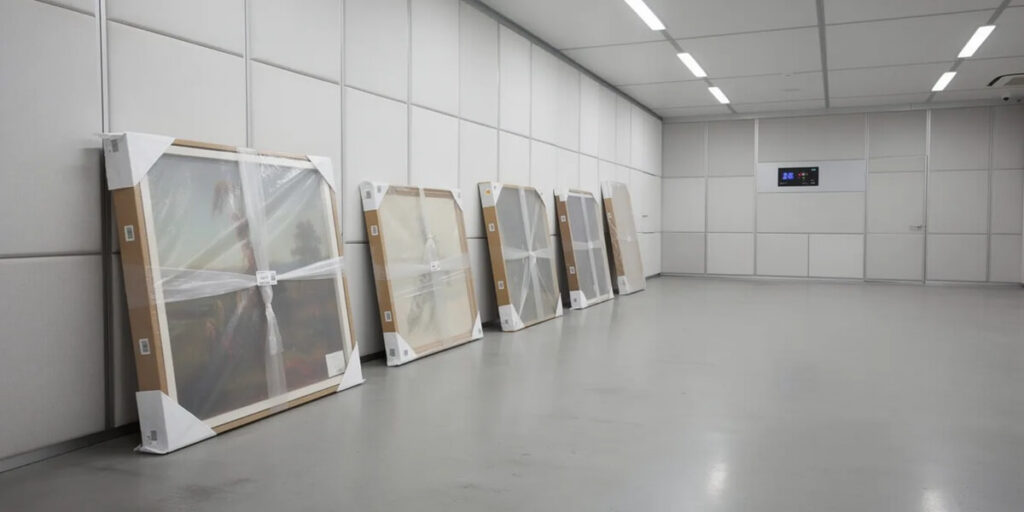
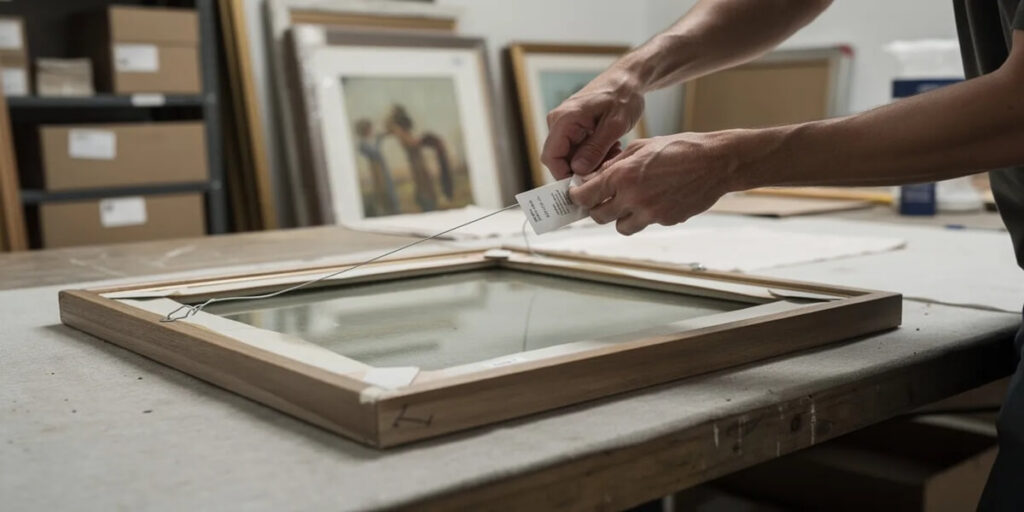
Walk through the collection room by room, whether that means a home, an office, or a storage unit. Tag each work with a temporary ID using painter’s tape and a marker. A simple format like “2026-INV-001” gives every piece a unique identifier from the start. Best practices for onboarding include keeping original records and assigning unique identifiers, so never discard old labels or gallery stickers when you add your own.
Your initial inventory includes documenting the artist, title, and dimensions of each art piece. Create a quick triage list on paper or in a basic spreadsheet with these columns:
- Artist or maker (even “unknown” counts)
- Rough title or description (“untitled landscape,” for example)
- Medium (oil on canvas, chromogenic print, bronze)
- Dimensions and visible signature
- Obvious condition issues, dated to the current observation
Group works into segments: core collection (high value, typically 10 to 15 percent), decorative artwork, corporate gifts, and items earmarked for donation or sale. Pull together all legacy records, including old appraisals, auction catalogues, dealer invoices, estate files, and insurance schedules. Match each document to its temporary ID with sticky notes. Gathering and scanning documentation is crucial when onboarding an art collection, and high-resolution photographs are necessary for documenting the condition of each artwork.
Provenance tracking is essential for establishing title in inherited art collections, so flag risk points early: works in off-site storage, undocumented loans, and artworks currently hanging in different company offices or family homes. Consult a lawyer for art inheritance legal advice before you begin deciding what to sell, donate, or preserve.
Step 2: Preparing Clean Data and Documentation for Collection Management Software
Here is the challenge most people underestimate: data cleanup is often more time-consuming than the software migration process itself, even when your art collection management software features are designed to make ongoing cataloging and tracking easier. Duplicate titles, unclear artists, and missing dates from inherited art collections create long-term headaches once they are inside any system. Data migration from old systems may require extensive data cleaning, so invest the time now.
Convert your triage list into a structured import sheet with one row per artwork. Column headings should mirror the fields in your target platform. For Onward, that means Object ID, Artist Name, Title, Date (use ISO format like “1967-05-01” when known, or “c. 1960” when approximate), Medium, Dimensions (H W D in cm), Provenance Narrative, Current Location (standardized codes like “NY-HQ-12F-Corridor-A”), Ownership Entity, Insurance Value, Condition Summary, and Notes.
For provenance documentation, create a short narrative per piece: “Purchased 1982 from Gallery X (invoice available), exhibited 1990 at Museum Y, inherited by Smith Trust 2024 via will of Jane Doe.” Documenting the inheritance date can aid in the provenance of inherited collections and is especially important for art historians and curators reviewing the sales history later.
Name digital files consistently using the same Object ID: “2026-INV-001_front.jpg,” “2026-INV-001_invoice_Christies_2010.pdf.” Separate valuation dates from value figures so software can track provenance and organize documentation efficiently. For example, note “Insurance Value 2022: $25,000” and “Appraisal Value 2025: $40,000” in distinct fields. This careful planning is what turns raw records into detailed information your collection managers can rely on.
Step 3: Configuring Your Art Collection Software for an Inherited Estate
Before importing anything, tailor the software environment to how your organization actually manages artwork, whether through a family office, corporate foundation, university, nonprofit organization, or healthcare network. Organizations managing artwork across hospitals, clinics, and administrative buildings may also benefit from this practical guide to art collection management for healthcare systems, which covers location tracking, compliance, maintenance, and collection governance across complex facilities.
In Onward, set up core entities first:
- Collections and subcollections: “Smith Family Collection,” “Corporate Lobby Program,” “Donations and Deaccessions”
- Legal owners and custodians: distinguish between who holds title (e.g., “Smith Trust”) and who physically manages the pieces
- User roles: heirs, advisors, conservators, facilities directors, each with appropriate permissions
Configure locations to match reality using hierarchical codes: main residence, storage vault in Newark, regional offices like “Berlin Office 6 Conference Level,” and any long-term loans to a museum or hospital. Add custom fields that matter for inherited art: estate file number, date of inheritance, step-up basis value, tax authority filings, and donor restriction notes.
Collections management software should have features to track condition reporting, and art collection management software should allow secure document storage with encrypted cloud storage. Role-based access control allows secure sharing of art collection information, so restrict sensitive valuation data to trustees while allowing facilities teams to see only location and condition fields. Art insurance should cover theft, damage, and transit risks, so set up Onward’s insurance module with policy numbers, coverage types (wall-to-wall, transit, exhibition), and renewal reminders anchored to specific dates. Long-term flexibility of software is important for export and data retrieval, meaning you should also confirm that you can export full records to CSV or PDF at any time.
Consider a concrete scenario: you plan to consign five works to an auction house for a fall 2027 sale. In Onward, you would mark those items “on consignment,” update external location, adjust insurance coverage for transit, and create a private viewing room shared with the auction house, all without exposing the rest of the collection.
Step 4: Importing Artwork, Images, and Documents into Onward
This is the hands-on phase where your prepared data becomes a living digital artwork archive. Migrating documentation into digital systems preserves the value of an art collection and gives you a single source of truth.
Start with a test import. Upload 10 to 20 artworks representing your most complex types: a multi-part installation, an editioned print (2/25 vs. 19/25), a painting with uncertain attribution, and a digital photograph requiring technical metadata like file format and runtime. Map your spreadsheet columns to Onward’s database fields, review results, correct any formatting mismatches, and then import the full inherited art collection.
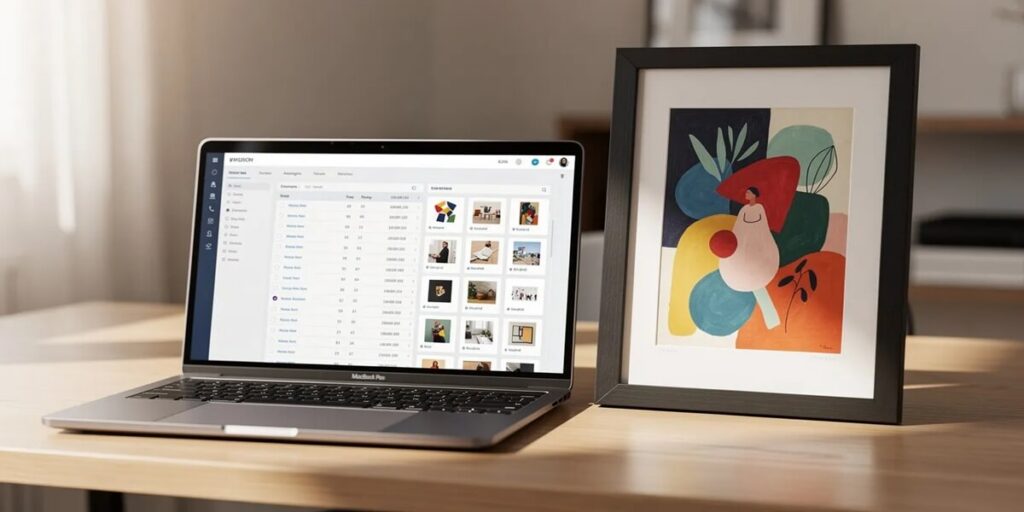
Batch-upload images and documents, linking each file to its Object ID. Every work should have at least one high-resolution image plus key documents such as appraisals, conservation reports, and prior auction catalog entries. Cloud-based accessibility enables management of art collections from various devices, and art collection management software supports multi-user access on multiple devices, so your team can verify records from a phone in a storage vault or a laptop in a boardroom.
While platforms like Artwork Archive allow cataloging and tracking of artworks and Artwork Archive generates reports for insurers and advisors, Onward is built specifically for distributed corporate and institutional collections where works move between buildings, cities, and exhibitions continuously, and it can also sync selected records or images to a website for digital showcasing.
After import, run quality checks: verify random samples against physical works, confirm valuations and locations, and fix inconsistencies. Use Onward’s reporting features to generate a “Master Inventory 6 Inherited Collection, June 2026” PDF as a sanity check for your lawyers and insurers.
Step 5: Collaborating with Experts and Using the System Day-to-Day
Onboarding does not end at import. You now leverage the platform to work with appraisers, conservators, tax advisors, galleries, and auction houses.
Professional appraisals are crucial for tax compliance and for accurate valuation of corporate and inherited art collections. Inheritance taxes may apply based on collection value, so you need accredited appraisers, which include RICS and the American Society of Appraisers, to determine fair market value. In Onward, you can grant a temporary login to an accredited appraiser so they can review records, update values, and attach a detailed report that sets out current market and replacement values directly to each artwork. Consulting art experts is crucial for succession planning, and this kind of assisted onboarding can reduce the manual work in organizing inherited art collections significantly, especially when you draw on best-practice guidance for corporate art management.
For conservation, consult accredited conservators when an artwork shows signs of damage or deterioration. Choosing the right professional is essential, especially for valuable, historic, or delicate works, so review this guide to finding a qualified art restorationist for your collection. Log condition reports from each conservator visit, schedule follow-up treatments for issues such as flaking paint, and track environmental risks inside Onward. Maintain stable temperatures between 18 and 21°C, keep relative humidity near 50 percent, use UV-filtering glazing for sensitive pigments, and choose acid-free matting for paper-based works.
Day-to-day, your team uses the collection management features to update locations when artworks rotate between floors, record internal loans for exhibitions, and produce reports for annual insurance renewals or board meetings. When deciding the future of the collection, you can mark candidate works for deaccession: selling art can maximize financial returns for collectors, while donating art can provide tax benefits and public access to cultural institutions. Donating art can also fulfill obligations to the original collector’s wishes if they expressed interest in supporting a museum or cultural heritage institution.
Centralized, secure cloud storage of images and documents replaces scattered folders on personal laptops and protects the collection’s history for future generations. Whether you are a family office CIO, a facilities director, or an estate lawyer, the technology keeps everyone aligned.
Step 6: Maintaining and Growing Your Digital Art Collection Archive Over Time
Onboarding is the starting line, not the finish. A well-managed art collection is updated continuously as works move, gain value, or change hands in the art world.
Art valuations should be updated every two to three years because art valuations can shift significantly every few years. Schedule valuation reviews, update insurance values after major market shifts, and run year-end collection analytics to understand exposure by artist, medium, or location. Maintaining an up-to-date inventory aids in valuation processes and keeps you in a strong position for any audit.
Onward supports future changes seamlessly: adding new acquisitions, recording deaccessions and donations, and maintaining a transparent provenance trail that stretches from the original collector through heirs, corporate entities, or museums. Train new staff or family members with simple guides, saved views, and dashboards. Grant read-only access to those who simply need to know what is hanging where.
For compliance and audit readiness, generate documentation for tax authorities, auditors, or cultural agencies from your centralized artwork archive instead of scrambling through banker’s boxes. This protects the financial and cultural integrity of the collection.
Inheriting art is personal. The creation of each piece in an artist’s studio, the stories behind every acquisition, the family history woven into each work on the wall – these matter. A modern collection management platform like Onward helps you honor that legacy while safeguarding the investment for whatever comes next.
Frequently Asked Questions
Do I need a professional appraisal to determine market value before onboarding my inherited collection into software?
Yes. Professional appraisals are crucial for tax compliance, and inherited art should be appraised for current market value before you make informed decisions about insurance, sale, or donation. An appraiser will help you assess and determine values that support your financial and legal obligations.
How long does the onboarding process typically take?
For a collection of 200 to 500 works, expect four to eight weeks of active work. The data cleanup phase usually takes longer than the actual software migration. Larger collections with fragmented records or works across multiple locations may take several months of careful planning.
Can I use Onward if my collection includes digital art or non-traditional media?
Yes. Onward supports custom metadata fields for time-based media, software-based art, and digital photographs, including format, duration, and hardware dependencies. Art collectors in the current market increasingly hold diverse media, and the platform accommodates that.
What if I want to sell or donate some of the inherited works?
Use Onward to flag candidate works, generate provenance documentation, and showcase pieces in private virtual rooms or on a website for approved auction houses, galleries, or collectors. Selling art can maximize financial returns, and donating art can provide tax benefits while giving institutions and the public access to cultural heritage.
How do I handle works with unknown artists or missing provenance?
Enter what you know and mark gaps clearly. Use fields like “Attributed to” or “Unknown maker, possibly European, mid-20th century.” As art historians, curators, or art professionals research the pieces, you update the record. The subject of provenance gaps is common with inherited collections, and addressing them transparently protects the integrity of your archive.
Is my data safe in cloud-based collection management software?
Onward uses encrypted cloud storage with redundant backups and retains 70 days of full-version history with snapshots every 15 minutes. Security features in collection management software should include encrypted cloud storage, and Onward delivers that alongside role-based access control for every user.
Why Art Collectors Choose Onward
Onward is purpose-built for organizations and collectors managing distributed art collections, not adapted from museum software or gallery sales tools. The platform gives you hierarchical location tracking across cities and buildings, integrated insurance and loan management, and reporting that finance teams, insurers, and boards actually want to read. You get enterprise-grade security without an enterprise learning curve.
Whether you are a family office inheriting a world-class collection, a corporate trustee managing works across regional offices, or art collectors stepping into the role of collection managers for the first time, Onward puts you in the position to manage, preserve, and grow your collection with confidence. These are the tools and tips that turn an overwhelming inheritance into a well-governed cultural asset.
Next Steps
Ready to turn your inherited art collection into a structured, searchable digital archive? Request a demo of Onward or start a guided onboarding plan tailored to your collection’s size, locations, and goals. Your next steps begin with a conversation – reach out to learn how Onward can support your collection’s future.