The post-2020 workplace looks different. Hybrid work models, renewed focus on employee wellness, and heightened ESG reporting have pushed organizations to rethink their physical spaces. Art has moved from afterthought to strategic asset.
A 2023 Deloitte survey on workplace experience found that 78% of executives prioritized employee well-being in office redesigns. Visual elements like art contribute directly to this goal. Hospitals that introduced calming artwork during 2010s refurbishments measured up to 20% drops in patient anxiety levels. The principle translates to corporate spaces: art choices should boost employee morale while projecting success and sophistication to visitors.
The benefits are concrete. A regional bank that commissioned local landscape photography for branches opened after 2018 reported improved staff retention and stronger community ties. Businesses that maintain a corporate art collection can enhance their brand image and improve corporate culture by demonstrating social responsibility and fostering creativity among employees. You don’t need an art history degree or a multi-million-dollar budget to begin. A structured, data-informed approach matters more than perfect taste.
Art Onward (“Onward”) is a modern SaaS platform that helps you centralize, track, and grow a corporate art collection from day one. Built on Amazon cloud infrastructure, it handles inventory, documentation, and analytics so your collection scales efficiently alongside your organization.
Define Your Corporate Art Collection Strategy
Your corporate collection needs a written strategy, similar to a brand or real estate plan. This document outlines purpose, scope, and constraints, ensuring every acquisition supports your organizational identity rather than accumulating haphazardly.
Developing a clear art collection strategy helps determine the goals and boundaries of the collection, ensuring that the artwork reflects the company, brand, and culture. Start by setting 3–5 concrete objectives:
- Improve visitor experience in reception areas by Q4 2026
- Feature at least 40% work by women artists by 2028
- Create a consistent visual identity across 10 regional offices
- Determine if the investment goal is to support local artists or to invest in high-value pieces for financial diversification
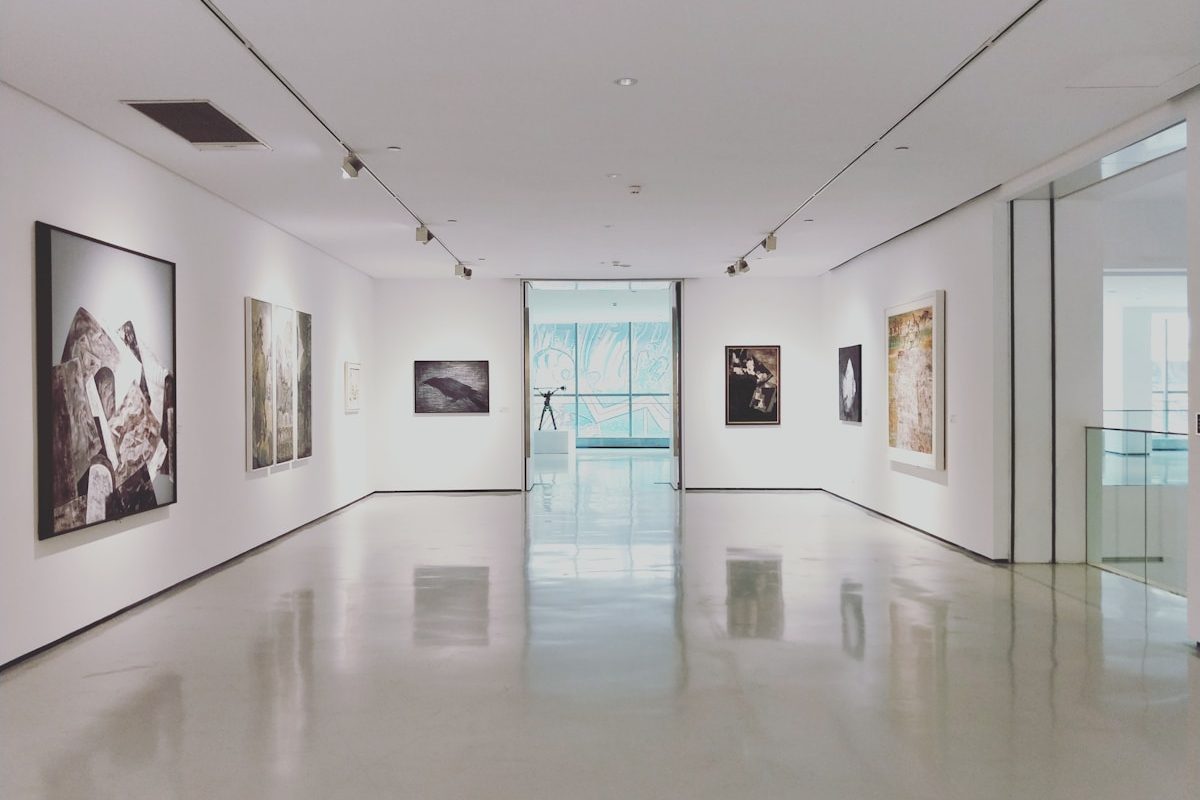 building a corporate art collection” class=”wp-image-1849″/>
Art collections should reflect the corporate brand and culture, which can be achieved by aligning the artwork with the company’s mission statement and core values. Art should reflect the company’s identity: a tech firm might focus on innovation-themed digital art blending science and creativity, while a traditional law firm may prefer classic styles depicting community and civic life. A cleantech company could favor works referencing renewable energy, reinforcing brand values at every touchpoint.
Balancing Aesthetics with ESG and DEI
Your strategy should address representation. Consider prioritizing Indigenous artists in Australian headquarters or emerging artists of color in U.S. offices. Collections achieving 30–50% diversity targets strengthen ESG reporting scores and demonstrate genuine commitment to social responsibility.
An effective art collection strategy should consider the space available for display, the type of artwork that aligns with the corporate brand values, and the potential impact on both clients and employees. Define acceptable media types: painting, sculpture, photography, digital art, or video. Specify preferred periods (contemporary post-2000 for relevance, mid-century for legacy) and geographic focus (local for community ties, global for international clients).
Make your strategy flexible. Review every 2–3 years, or when triggered by mergers, rebrands, or major office moves. Store your collection policy and selection criteria in Onward so every stakeholder can access the current framework.
Plan Spaces, Budgets, and Governance
Before purchasing art, map your spaces, set budgets, and establish decision-making authority.
Spaces
Consider the office layout and high-traffic areas when assessing where to display art for maximum impact. Conduct a visual audit of corporate areas renovated after 2015:
| Area | Recommended Approach |
|---|---|
| Reception | Bold statements, large abstracts for client impact. Use art that reflects the company’s brand and leaves a memorable impression |
| Boardrooms | Subtle, discussion-friendly pieces |
| Executive floors | High-value investments |
| Outdoor plazas | Weather-resistant sculptures |
| Cafeterias | Vibrant, rotating works |
Budgets
Determine a budget for art purchases based on size and organizational goals. Consider these models:
Art programmes within government entities and facilities often involve complex procurement and custody requirements, making reliable collection management software essential. For many teams, that means adopting purpose-built art management software rather than spreadsheets.
- First-year pilot: $10,000–$30,000 for a 200–400 person company
- 0.5–1% of 2026 fit-out budget (e.g., $50,000 from a $5M renovation)
- Recurring annual acquisition budget approved each fiscal year
Start with 10–20 core works in signature spaces, then expand by 5–10 works annually as feedback accumulates.
Governance
Forming an art acquisition committee can enhance the diversity and aesthetic of a corporate art collection by involving individuals from various departments within the organization, such as board members, human resources, and sales. Typical roles include facilities/real estate, HR/people, brand/marketing, finance, and at least one senior executive sponsor.
It is recommended to provide the art acquisition committee with guidelines and a document outlining the spaces designated for art, as well as budget considerations for installation needs. An art acquisition committee should establish annual goals and budgets, such as increasing the collection by a certain percentage or curating specific themes, to keep the committee focused and on track.
Committee basics: quarterly meetings, consensus or majority decisions, documented conflicts-of-interest policies, and clear rationales for every acquisition. Onward serves as your shared workspace—link meeting notes to proposals, assign tasks, and maintain time-stamped approval records.
or drag and drop an image here
Rent, Buy, or Commission: Choosing the Right Acquisition Mix
Most organizations blend renting, buying, and commissioning, especially during early years when flexibility matters most.
Renting vs. Buying
| Approach | Best For | Considerations |
|---|---|---|
| Renting | 12–36 month leases in new offices (2026–2028), pilot locations, fast-changing teams | Lower upfront capital (5–10% annual value), style rotation, logistics handled by provider |
| Buying | Flagship HQs staying 10+ years, owned buildings, commemorative projects (25th anniversary in 2027) | Builds equity, 1–2% building cost allocation typical |
| Commissioning | Site-specific lobby murals, courtyard sculptures, data-driven digital art | 20–50% above market via artist briefs, unique impact |
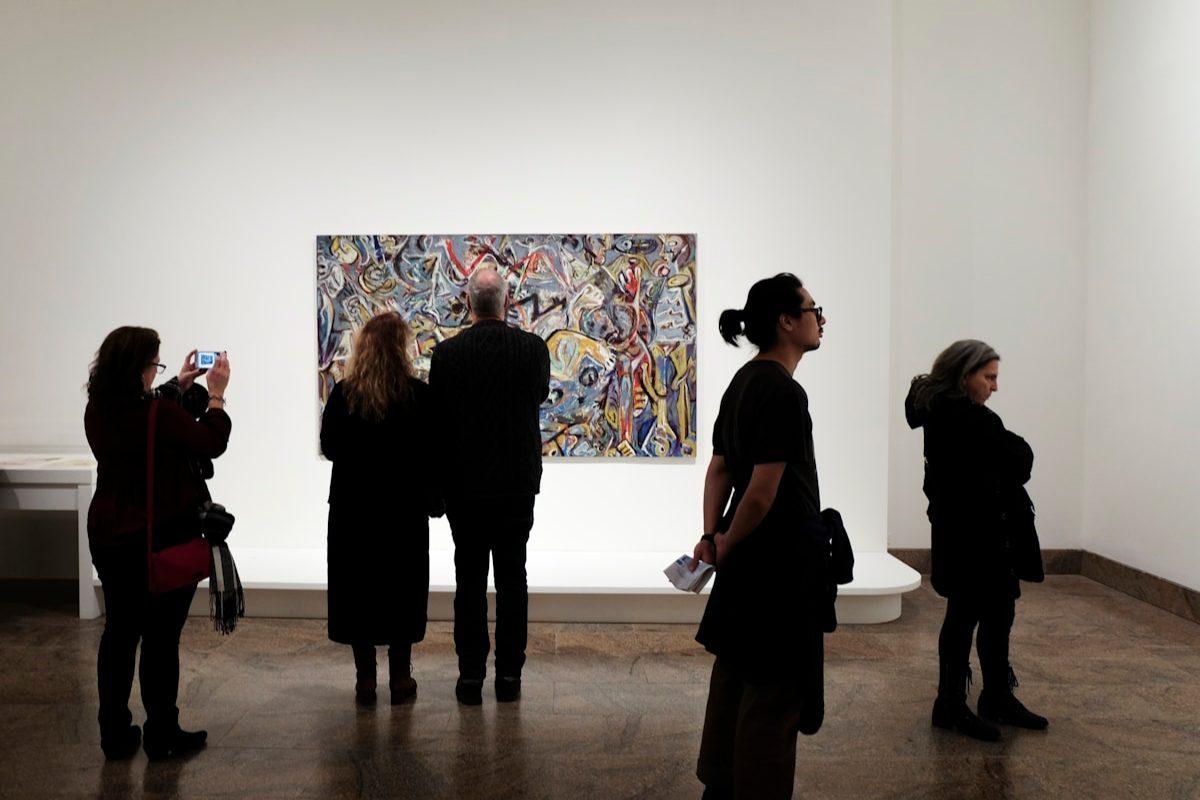
Renting art provides flexibility and allows organizations to test various styles and mediums before making a purchase decision. Renting art can lead to regular changes in the displayed pieces, keeping the environment fresh and engaging for employees and clients. Many art rental services offer a rent-to-buy option, allowing organizations to purchase a piece after renting it for a certain period, which can help in making a more informed decision.
Commissions create lasting impressions. A 2025 lobby mural incorporating company history or a sculpture visualizing sustainability metrics becomes a conversation piece that reinforces brand identity.
Onward supports all three paths: record rental contracts and end dates, track ownership versus loan status, and store commission briefs, artist contracts, and progress photos centrally. Plan ahead for logistics—insure at 100–150% replacement value and document deinstallation procedures.
Work with Professionals and Involve Your Employees
The best corporate art programs combine expert guidance with internal engagement, avoiding both “lone curator” and “design by committee” extremes.
Working with Experts
An experienced art consultant or corporate art consultants handle artist research, market benchmarking (secondary auctions often run 20–30% below retail), site visits, and conservation advice. Knowing when to bring in a corporate art consultant saves an organization from costly acquisition mistakes. Contract options include project-based fees ($5,000–$15,000 for 15 acquisitions) or monthly retainers. Consider partnering with a local gallery or museum for rotating exhibition programs. If you are still asking what does an art consultant do, the answer spans all of these tasks end to end.
Employee Involvement
Involving employees in the art selection process can enhance workplace culture and engagement, as it allows them to feel a sense of ownership and connection to the corporate art collection. A survey by the Business Committee for the Arts and the International Association of Professional Art Advisors found that 94% of employees believed art enhanced the work environment, and 64% saw increased creativity and productivity as a result.
Tactics that work:
- Theme surveys (70% of staff at one firm preferred wellness motifs post-2020)
- Open calls to nominate professional artists
- Staff tours or lunch-and-learn sessions
- ERG-led selections for wellness rooms or quiet spaces
Creating an art acquisition committee that includes employees from various departments can motivate them and keep them invested in the art collection, fostering a collaborative environment. Final decisions should stay with the committee for coherence.
Provide employees a digital guide linking to artist bios and provenance. Onward’s user permissions and Private Rooms let you share collections selectively—staff browse records or virtual exhibitions while curators keep control over the master catalog.
or drag and drop an image here
Manage, Protect, and Analyze Your Collection

Once your collection grows beyond 20–30 pieces, operational risks escalate. Industry audits suggest 25% of collections lose items during office moves without proper tracking. Missing provenance documents and insurance lapses create liability.
Core Management Tasks
- Inventory: Full counts every 2 years
- Locations: Multi-site mapping with room-level detail
- Condition: Annual reports for works over $10,000
- Provenance: Contracts, certificates, acquisition records
- Insurance: Policy references, renewal dates, insured values
- Loan tracking: Multi-work batches with transfer instructions
- Deaccessioning: Sales or donations post-committee approval
Regularly reviewing and updating the art collection register is essential for maintaining accurate records of the collection’s value, condition, and provenance, similar to other fixed assets.
For a scenario like tracking 150 artworks across 6 offices after a 2024–2026 expansion, a central database becomes essential. Record per piece: artist, title, date, medium, dimensions, acquisition details, cost, current valuation, location history, condition reports, and linked documents.
Art Onward delivers cloud-based storage on Amazon infrastructure with optional local copies, linked records connecting artists to locations and documents, time-stamped updates, and smart search. Analytics dashboards visualize total collection value, demographic distributions (e.g., percentage of works by women artists or local artists), and loan status for ESG disclosures. Note that Onward records insurance and valuation information but does not provide appraisal services.
Best Practices for Sustainable, Future-Proof Corporate Collections
Long-term viability requires systematic upkeep over 5–10 years, not just initial enthusiasm.
- Inventory audits: Conduct full counts every 2–3 years to detect discrepancies early
- Condition monitoring: Schedule annual checks for higher-value works via photographs and reports
- Strategy reviews: Revisit acquisition criteria every 24 months, adjusting for mergers, rebrands, or new work environment priorities
- Documentation: Centralize knowledge in Onward so leadership transitions don’t disrupt the program—30% of collections stall when key personnel depart without digital records
- Deaccessioning protocols: Define triggers, processes, and approval thresholds for works over certain values; options include auctions or donations
- Content standards: Steering clear of controversial content helps maintain appropriateness in the office setting. Avoid politically or sexually charged themes in art selections to maintain a professional environment
- Virtual exhibitions: Use Onward to share themed shows (“2025 Acquisitions,” “Works by Other Artists”) with remote staff without rehanging pieces
- Security: Store archives in secure cloud environments with role-based access; avoid sensitive valuations in shared spreadsheets
A cohesive brand that extends from online presence to physical office space, including art collections, builds trust and can increase client engagement and revenue.
Getting Started with Art Onward
Whether you’re planning your first 10 works or rationalizing a 500-piece legacy collection, you can begin to standardize your approach today.
Your 4–5 Week Path
- Audit: Gather existing artworks and records (spreadsheets, image folders)—1–2 weeks
- Draft strategy: Align objectives with brand values and add variety across mediums
- Setup Onward: Import a sample set (first 25 artworks) to create unified records
- Configure: Set locations, user roles, and permissions for your conference room, reception, and other spaces
- Train: Conduct hands-on sessions with your committee and facilities team using real data
Organizations using Onward typically convert scattered folders into searchable collection records within weeks. Start small with a pilot at one headquarters before rolling out across all offices—capture lessons for your internal playbook. Expect a 4–8 week timeline for initial implementation during your 2026 refresh.
Ready to Build Your Collection?
Building a corporate art collection is both a creative and operational project. The right tools keep it organized, secure, and aligned with your brand over time.
- Learn more about Onward to explore how the platform handles inventory, documentation, and virtual exhibitions for corporate collections
- Request a demo tailored to your sector—whether healthcare, legal, financial services, or higher education—to see how your current artworks and locations would appear in the system
- Get started with Onward if your team is ready to pilot during an upcoming office move, renovation, or 2026–2027 workplace refresh