Corporate art collections are evolving. No longer mere decor for executive suites or lobby walls, they are increasingly recognized as potent strategic assets capable of influencing brand perception, shaping corporate culture, fostering employee engagement, and even contributing to broader social impact. For the corporate art manager, overseeing this vital asset means navigating a complex landscape, balancing artistic vision and value with practical business objectives across the entire collection lifecycle. This article provides a holistic, visionary perspective on building, managing, and strategically leveraging these powerful collections.
The Strategic Imperative of Corporate Art Collections
In today’s competitive landscape, companies seek every opportunity to differentiate themselves, articulate their values, and create environments that inspire and engage. This is the core promise of business art in the modern office. This is where a well-conceived corporate art collection strategy moves from a discretionary expense to a vital strategic investment. It’s about framing art not just as decoration, but as an integral element of the corporate identity and operational environment.
Aligning the collection with the corporate mission, vision, and values is the foundational step. What story does your company want to tell? What principles guide its operations? The art you choose can be a powerful, non-verbal communication tool, reinforcing these core tenets internally and externally. Defining this alignment establishes the overarching vision for the collection – perhaps focusing on themes of innovation, global connection, local heritage, diversity, or sustainability. This vision dictates the collection’s focus, scale, and scope, ensuring acquisitions are purposeful and coherent.
Understanding the role of the corporate art manager here is crucial. You are not just a curator or administrator; you are a strategic leader guiding the development and deployment of a significant corporate asset. Modern managers increasingly lean on art management software to coordinate that work at scale. Your expertise bridges the worlds of art and business, ensuring the collection serves both aesthetic and strategic goals, navigating the complexities from initial concept to long-term impact.
Unlocking Value: The Benefits of Corporate Art Collections
The investment in a corporate art collection yields a multifaceted return, extending far beyond aesthetic appeal. The benefits of corporate art collections touch upon critical areas of business operation and identity, providing tangible and intangible value.
Enhancing Corporate Culture and Employee Engagement
The workplace environment profoundly impacts employee well-being, creativity, and productivity. Art has a unique capacity to transform sterile spaces into dynamic, thoughtful, and human-centric environments.
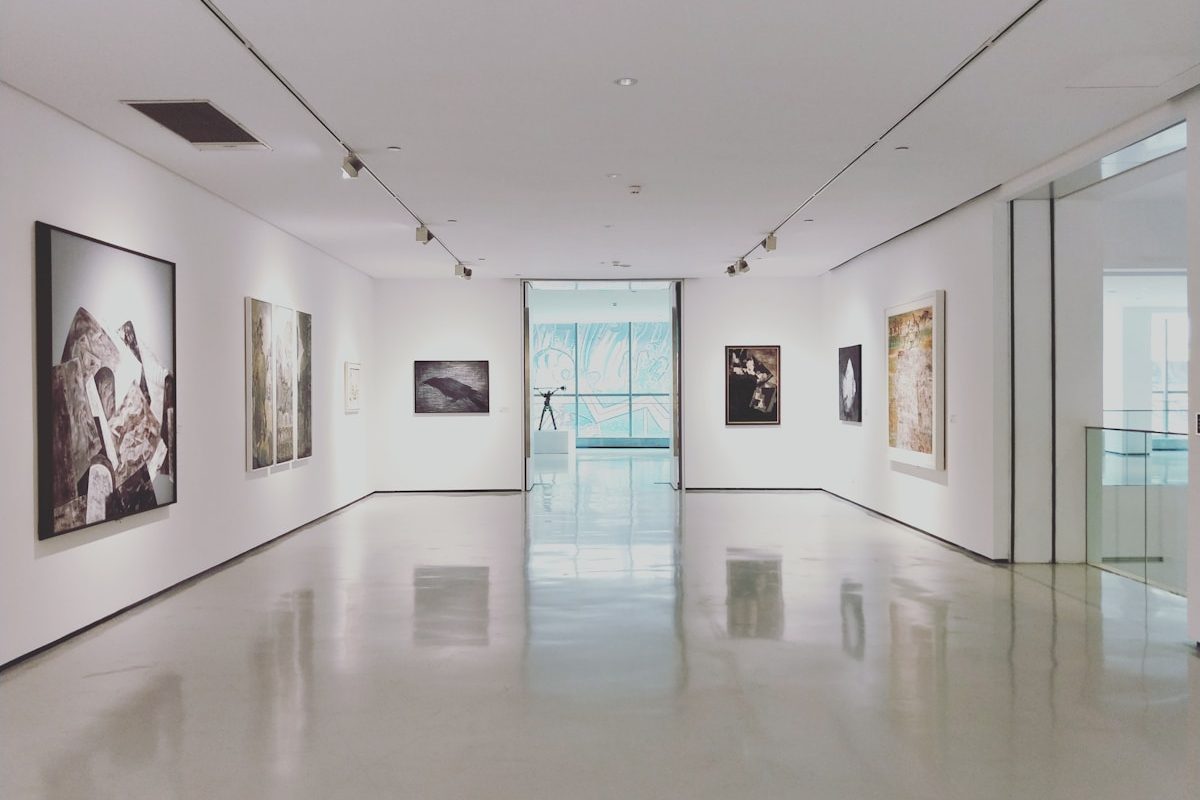 building a corporate art collection” class=”wp-image-1849″/>
- Fostering creativity, innovation, and dialogue within the workplace: Exposure to diverse artistic perspectives can stimulate new ways of thinking and encourage employees to see the world differently. Art serves as a natural conversation starter, breaking down silos and fostering spontaneous interactions.
- Improving workplace aesthetics, well-being, and overall environment: Thoughtfully placed art creates a more pleasant and stimulating atmosphere. It can reduce stress, improve mood, and contribute to a sense of place and comfort, directly impacting employee well-being.
- Providing shared experiences and points of connection among employees: Art can be a unifying force, offering shared points of reference and discussion that transcend departmental boundaries. Art tours, artist talks, or internal exhibitions create communal experiences.
- Boosting employee morale, pride, and sense of belonging: A collection that reflects corporate values or supports local artists can instill pride in the company’s identity and its contribution to the community. Employees feel valued when their workplace is invested in creating an inspiring environment.
Strengthening Brand Identity and Client Experience
A corporate art collection is a visible statement about a company’s character, taste, and values. It plays a significant role in shaping external perceptions and enhancing client interactions.
- Communicating corporate values, history, or mission through artistic choices: Art can visually articulate abstract corporate concepts. A technology firm might collect digital art; a company founded on historical principles might focus on historical pieces or works referencing its legacy; a global firm might collect international artists.
- Creating memorable, sophisticated, and unique client environments: First impressions matter. Art elevates corporate spaces, making them more welcoming, sophisticated, and memorable for clients and visitors. It signals attention to detail and an appreciation for quality and creativity.
- Differentiating the brand in the marketplace: In a crowded market, a distinctive corporate art collection can set a company apart, creating a unique identity that resonates with clients and partners.
- Leveraging art for client events, hospitality, and public relations opportunities: Art can provide a compelling backdrop for corporate events, receptions, and meetings. Featuring artworks or hosting art-related events can generate positive PR and deepen client relationships.
Contributing to Corporate Social Responsibility (CSR) and Community
Beyond internal and branding benefits, corporate art collections can be powerful engines for social good and community engagement.
- Supporting artists, galleries, and the broader art ecosystem: By acquiring art, companies directly support artists, galleries, and the cultural infrastructure. This contributes to the economic vitality of the art world.
- Engaging with local communities through art-related initiatives or access: Art collections can be used to connect with the local community through public viewing opportunities, loans to local museums, or educational programs facilitated by the collection.
- Promoting diversity, equity, and inclusion through thoughtful collection choices: A commitment to collecting works by artists from diverse backgrounds and perspectives can reflect and reinforce a company’s DEI values, demonstrating a commitment to a more inclusive world.
Potential Financial and Asset Value Considerations
While the primary driver is strategic and cultural impact, a corporate art collection also represents a tangible corporate asset.
- Recognizing art as a tangible corporate asset class: Like real estate or other valuable holdings, art has inherent value and should be accounted for accordingly on the balance sheet — and structured art financing for corporate collections shapes how organisations fund and account for major acquisitions.
- Understanding the potential for appreciation in value over time (while maintaining focus on strategic purpose): While art investment as a sole goal carries risk and is rarely the primary driver for corporate collections, individual artworks may appreciate over time. This potential upside can be a secondary consideration, but it should not overshadow the collection’s core strategic purpose.
- Considering potential ROI beyond purely financial returns, incorporating impact metrics: The true return on investment (ROI) of a corporate art collection is often measured in terms of enhanced brand reputation, improved employee retention and productivity, successful client relationships, and positive community impact – metrics that contribute significantly to long-term business success, even if not purely financial.
Building the Collection: From Strategy to Acquisition
Building a impactful corporate art collection is a deliberate, multi-stage process that begins long before the first artwork is acquired. It requires a clear strategy, expert guidance, and meticulous execution. Many organizations bring in corporate art advisors for exactly this, drawing on outside expertise to shape strategy before money is spent. A seasoned corporate art consultant brings that same discipline to corporate collections.
Defining the Acquisition Strategy
The acquisition strategy is the blueprint for the collection’s growth and character. It translates the overarching vision into practical guidelines for what to acquire.
The lesson many teams learn the hard way is that a manager’s guide to corporate artwork collection & impact cannot be an afterthought.
Organisations such as government entities and public facilities often manage large art collections across multiple buildings, requiring structured oversight and documentation.
- Establishing the collection’s focus and parameters: What kind of art aligns with your strategic vision? This could mean focusing on a specific region, a historical period, a particular theme (e.g., nature, technology, human connection), specific mediums (painting, sculpture, photography, digital art), or a mix of emerging and established artists. Clarity here prevents arbitrary acquisitions.
- Developing a realistic budget and long-term financial plan for acquisitions: Building a significant collection requires a dedicated budget, not just for purchases but also for associated costs like framing, shipping, installation, and initial documentation. A long-term financial plan ensures sustainability.
- Navigating legal and ethical considerations during the purchasing process: Due diligence is paramount. This includes verifying provenance, ensuring legal ownership, and understanding any reproduction rights or artist resale rights. Ethical considerations, such as avoiding looted art or engaging in practices that manipulate the market, are essential.
The Role of Art Advisors, Curators, and Specialists
Building a collection is complex and requires specialized knowledge. Collaborating with experienced professionals is often crucial for success.
- Sourcing and identifying potential artworks aligned with the strategy: Art advisors and curators have deep market knowledge and connections. They can identify artworks that fit the collection’s specific focus and strategic goals, often finding pieces before they come to public auction.
- Providing market knowledge, negotiation expertise, and due diligence: Specialists understand market values, can negotiate favorable terms, and perform critical due diligence to ensure the authenticity, condition, and clear title of potential acquisitions.
- Conducting provenance research and ensuring clear title: Verifying the history of ownership (provenance) is critical to avoid legal issues and ethical entanglements. Experts are skilled at this complex research.
The Acquisition Process
Once potential artworks are identified, the acquisition process involves careful evaluation, negotiation, and logistics.
- Evaluating and selecting artworks based on artistic merit, strategic fit, condition, and value: This requires a keen eye and an understanding of both artistic quality and the artwork’s relevance to the corporate strategy. Condition assessment by a conservator is often necessary before purchase.
- Handling valuation, negotiation, and contracting: Determining fair market value requires expertise. Negotiation skills are needed to secure the best possible price and terms. Formal contracts protect both buyer and seller and outline all aspects of the transaction, including payment terms, delivery, and rights.
- Managing legal agreements, invoices, and initial documentation: Meticulous record-keeping begins the moment an artwork is acquired. Legal documents, invoices, and initial condition reports form the foundation of the collection’s documentation.
- Overseeing logistics, packing, and shipping of acquired works: Ensuring the safe transit of art requires specialized knowledge of packing materials, crating, insurance for transit, and reliable art shippers.
- Exploring different acquisition channels: Acquisitions can occur through various channels: commercial galleries (offering expertise and access to primary market artists), auction houses (providing access to a broad secondary market), directly from artists (allowing for commissions and direct relationships), or through private sales. Each channel has its own dynamics and requires different approaches.
Mastering Collection Management: Sustaining Your Art Assets
Acquiring art is only the beginning. The long-term value and impact of a corporate art collection depend heavily on robust, professional management practices. Managing corporate art assets effectively is essential for preservation, accessibility, and accountability.
Establishing Robust Collection Management Systems
Comprehensive documentation is the backbone of responsible collection management.

- Implementing detailed inventory and database management: A sophisticated database (often a specialized art collection management software) is necessary to track every artwork. This includes artist name, title, date, medium, dimensions, acquisition details, location, condition reports, conservation history, insurance value, and photographic records.
- Conducting professional photography and initial condition reporting upon acquisition: High-quality photography is essential for documentation, insurance, and potential digital access. An initial condition report, preferably by a conservator, documents the artwork’s state upon arrival, crucial for tracking changes over time.
- Maintaining comprehensive legal documentation, ownership records, and contracts: All paperwork related to acquisition, ownership, loans, insurance, and conservation must be meticulously organized and stored securely.
- Utilizing technology for efficient collection management: Modern collection management software streamlines inventory, location tracking, condition reporting, conservation scheduling, and reporting, significantly improving efficiency and accuracy.
Conservation and Preservation Best Practices
Protecting the physical integrity of the artworks is paramount to preserving their value and ensuring they can be enjoyed for generations.
- Implementing and monitoring environmental controls: Temperature, humidity, and light levels must be carefully controlled and monitored in display areas, storage, and during transit. Fluctuations are damaging. UV light is particularly harmful to many mediums.
- Regular condition monitoring and preventative care strategies: Artworks should be regularly inspected for any signs of damage or deterioration. Preventative measures include using archival quality framing materials, appropriate hanging systems, and protective barriers.
- Working with qualified conservators for assessment, treatment, and restoration: Professional conservators are trained to assess the condition of artworks, recommend treatment options, and perform necessary repairs or restorations using conservation-grade materials and techniques.
- Developing long-term conservation plans for key artworks: Some artworks may require ongoing monitoring or periodic treatment. Developing plans ensures that significant pieces receive the necessary care over their lifespan.
Insurance and Risk Management
Protecting the financial value of the collection against potential loss or damage is a critical aspect of managing corporate art assets.
- Determining appropriate insurance coverage based on valuation and risk assessment: Art collections require specialized insurance policies that cover risks unique to fine art, such as damage during transit, installation, or display, as well as theft or total loss. Coverage levels are based on current valuations.
- Implementing security measures for artworks on display and in storage: This includes secure hanging systems, appropriate alarm systems, surveillance, and controlled access to collection areas.
- Developing disaster preparedness and recovery plans: Having plans in place for emergencies like fire, flood, or other disasters is essential to minimize potential damage to the collection.
- Managing loans to exhibitions or institutions: Loans require specific documentation, condition reporting before and after the loan, and ensuring appropriate insurance and environmental conditions at the borrowing institution.
Storage Solutions
Not all artworks in a corporate collection will be on permanent display. Secure and appropriate storage is often necessary.
- Securing and maintaining appropriate, climate-controlled storage facilities: Offsite or dedicated onsite storage facilities must meet professional museum standards for climate control, security, and fire suppression.
- Implementing organized systems for cataloging, accessing, and handling stored works: Works in storage must be easily identifiable, accessible without risking damage, and handled only by trained personnel.
Comprehensive processes for managing corporate art assets ensure that the collection remains in excellent condition, is accurately documented, and is protected against potential risks, thereby preserving its value and usability as a strategic tool.
Integrating Art into the Workplace and Brand: Display and Engagement
The true impact of a corporate art collection is realized when it is thoughtfully integrated into the physical and cultural fabric of the company. Display and engagement strategies bring the collection to life.
Strategic Installation and Placement
Where and how art is displayed significantly influences its impact and how it is perceived.
- Collaborating with architecture and design teams to align art placement with space functionality and aesthetics: Art should complement the architectural design and serve the function of the space. This requires close coordination with interior designers and architects from the outset or during renovations.
- Considering audience flow, sightlines, and the context of different corporate areas: Placement should consider who will see the art and in what context. An artwork intended to inspire creativity in a team meeting room might differ from a piece chosen to convey stability in an executive reception area. Sightlines from various vantage points should be considered.
- Addressing technical requirements for installation: Proper installation involves more than just hanging art. It includes selecting appropriate security hardware, ensuring adequate lighting (avoiding damaging direct sunlight or poor quality bulbs), and assessing structural integrity, especially for large or heavy pieces.
The Art Program Beyond Permanent Display
A dynamic art program goes beyond simply hanging artworks. It involves active engagement with the collection and the broader art world.
- Organizing temporary exhibitions, rotations, and themed installations: Rotating artworks allows more of the collection to be seen and keeps the environment fresh. Themed exhibitions can align with corporate initiatives or relevant cultural moments.
- Developing educational initiatives for employees and clients: Offering guided tours, lectures by curators or artists, or providing accessible information about the artworks (via labels, brochures, or digital platforms) deepens engagement and appreciation.
- Creating digital representations and online catalogs for broader access and engagement: Making the collection accessible online allows employees in dispersed locations or working remotely to engage with the art and learn about the collection.
- Curating art specifically for different audiences: Consider tailoring art choices to the specific users of a space – perhaps more dynamic and colorful art in collaborative spaces and more contemplative pieces in quiet zones.
Leveraging the art program to reinforce corporate messaging and internal communications makes the collection an active part of the company narrative. For example, an acquisition related to sustainability could be highlighted alongside the company’s environmental initiatives.
Navigating the Collection Lifecycle: Considerations for Deaccessioning
While building and managing are central, a comprehensive understanding of the corporate art collection lifecycle includes the possibility of deaccessioning – the formal process of removing an artwork from the collection. This is a sensitive process requiring careful planning and adherence to ethical guidelines.
- Developing and adhering to a clear, documented deaccessioning policy: A formal policy outlines the reasons for deaccessioning (e.g., no longer fits the collection strategy, poor condition, duplication, sale to fund new acquisitions in line with the policy), the approval process, and how proceeds will be used. This policy ensures transparency and accountability.
- Evaluating ethical considerations involved in selling or donating artworks: Deaccessioning should be done responsibly. Ethical guidelines often dictate that deaccessioning should primarily serve to refine or improve the collection, rather than simply liquidate assets for unrelated purposes. Donating works to non-profit institutions can be an ethical alternative to sale.
- Determining appropriate valuation and market timing for potential sales: If sale is the chosen method, obtaining accurate, current valuation from qualified appraisers is essential. Market conditions can significantly impact sale proceeds, requiring strategic timing.
- Understanding the legal and tax implications associated with deaccessioning: Selling or donating artworks has legal and tax consequences that must be understood and managed appropriately.
- Exploring alternatives to sale: Before selling, consider other options such as long-term loans to museums or institutions, or internal redistribution of works to different corporate locations where they might be a better strategic fit.
Leveraging Art as a Strategic Asset: Beyond Aesthetics
Thinking of a corporate art collection solely in aesthetic terms misses its most powerful potential. Strategically leveraging art means actively using it to achieve specific business outcomes and demonstrating its value.

Quantifying Impact and Measuring Success
Measuring the ROI of a corporate art collection requires looking beyond financial appreciation to its broader impact.
- Developing relevant metrics to measure engagement, cultural impact, and contribution to corporate goals: This might include tracking participation in art-related programs, gathering feedback on employee morale and the workplace environment, noting press mentions related to the collection, or assessing how clients react to the art in corporate spaces.
- Conducting surveys and collecting qualitative feedback from employees and clients: Direct feedback provides valuable insights into how the collection is perceived and its impact on different stakeholders.
- Compiling case studies and showcasing examples of notable corporate collections and their impact: While specific examples might be sensitive, the concept of how leading companies have leveraged their collections for branding, culture, or community impact serves as a powerful illustration of what is possible. Sharing anonymized or general examples of how art has transformed a lobby space or inspired a team can be effective.
- Integrating art’s contribution into corporate reporting: Including the art program’s activities and impact in internal newsletters, annual reports (especially CSR sections), or presentations to leadership helps demonstrate its value and contribution to corporate objectives.
Art serves as a catalyst for fostering innovation, creative thinking, and employee well-being; office art ideas are one of the most effective ways to translate this potential into everyday environments. These outcomes are increasingly vital for corporate success. The evolving role of corporate art collections in the digital realm and hybrid work environments also presents new strategic opportunities, from virtual tours to digital art acquisitions, extending the collection’s reach beyond the physical office.
Operationalizing the Collection: Practicalities and Partnerships
Effectively running a corporate art program involves navigating numerous practicalities and building strong relationships. For the corporate art manager, this means balancing artistic vision with operational realities and financial constraints, from selecting fit-for-purpose art collection inventory management software to building vendor relationships.
- Building and structuring the corporate art team; balancing internal expertise with external support: Depending on the collection’s size and complexity, the team might range from a single dedicated manager to a larger department. Determining which functions are handled internally (e.g., inventory, basic administration) and which require external specialists (art advisors, conservators, installers, insurers) is key to efficient operation.
- Developing and managing budgets effectively: A detailed budget encompassing acquisitions, conservation, insurance, installation, storage, programming, and staff costs is essential for financial planning and control. Securing and justifying this budget requires demonstrating the collection’s strategic value.
- Establishing strong relationships and workflows with external partners: Reliable external partners are invaluable. Cultivating strong working relationships with galleries, art advisors, conservators, specialized art shippers, installers, and insurers is crucial for smooth operations and accessing necessary expertise.
- Implementing and maintaining technology solutions specifically for collection management: Investing in and effectively utilizing specialized collection management software is critical for efficient tracking, documentation, and reporting.
- Effectively navigating internal stakeholders and securing ongoing buy-in and support: A successful art program requires support from various internal departments (e.g., Facilities, HR, Marketing, Legal, Finance, Executive Leadership). Clearly communicating the collection’s purpose and benefits to these stakeholders is vital for continued support and resources.
- Balancing artistic vision with practical business constraints and objectives: This is perhaps the core challenge for the corporate art manager. It involves making difficult decisions about acquisitions, display, and deaccessioning that serve both the integrity of the collection and the strategic needs of the business.
Measuring Impact and Planning for the Future
A dynamic corporate art collection is not static. It requires ongoing evaluation and forward-looking planning to remain a relevant and impactful strategic asset.
- Conducting periodic strategic reviews of the collection’s goals, direction, and alignment: Regularly assessing whether the collection is still meeting its original strategic objectives and if those objectives remain relevant in the context of the company’s evolution is crucial.
- Evaluating the collection’s ongoing contribution to core corporate objectives: Using the metrics and feedback gathered, analyze how the collection is actively contributing to employee engagement, brand perception, client relationships, and other key business goals.
- Developing long-term plans for future acquisitions, ongoing conservation needs, and evolving display strategies: Planning ahead ensures the collection continues to grow thoughtfully, remains in excellent condition, and is displayed in ways that maximize its impact in changing work environments.
- Adapting the corporate art collection strategy to reflect changes in corporate culture, business priorities, and the art market: The strategy must be flexible enough to evolve alongside the company and the broader art world.
- Planning for continuity and succession in collection management expertise: Ensuring that knowledge about the collection, its history, and its management practices is documented and transferable is vital for the long-term stewardship of the asset.
Well-planned and managed “corporate art collections” are powerful strategic assets that contribute significantly to a company’s brand, culture, and environment. They require visionary leadership, diligent management, and a commitment to leveraging art’s unique power to inspire, engage, and communicate. For the corporate art manager, this represents an exciting opportunity to shape the corporate landscape and demonstrate the profound value that art brings to business.